

We are a digital agency helping businesses develop immersive, engaging, and user-focused web, app, and software solutions.
2310 Mira Vista Ave
Montrose, CA 91020

2500+ reviews based on client feedback
What's Included?
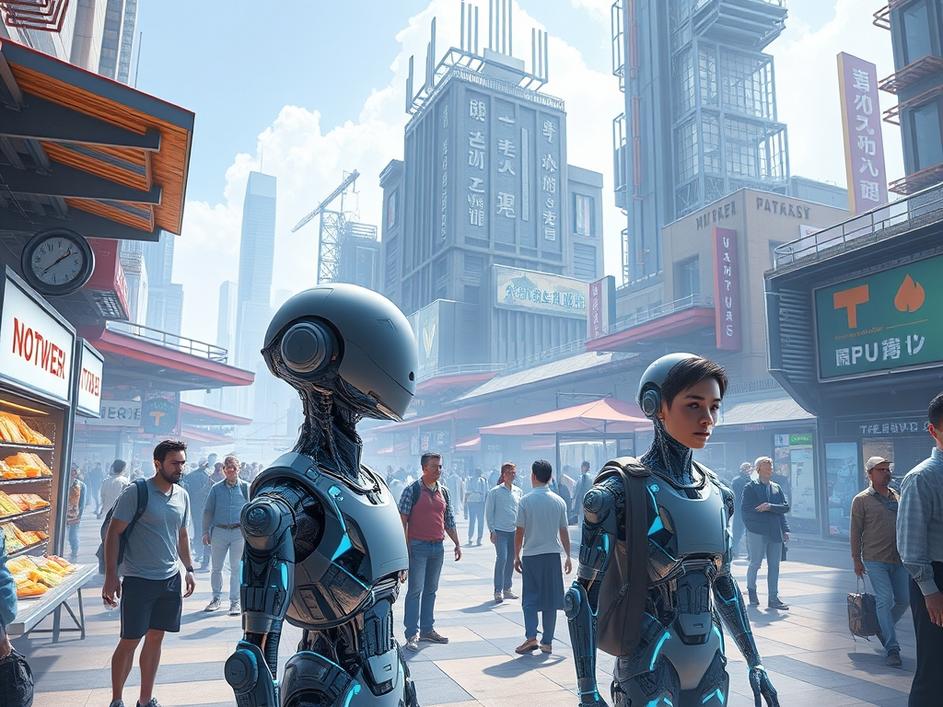
ToggleFor years, we’ve seen glimpses of the future: digital humans popping up in games, virtual assistants, and even marketing campaigns. These aren’t just fancy avatars; they’re attempts to create believable, interactive representations of ourselves in the digital world. Now, a significant step has been taken to make these digital beings more accessible. SentiPulse and GSAI have released SentiAvatar, a framework for creating interactive 3D digital humans, as open-source software. This could be a big deal for developers and researchers alike.
SentiAvatar isn’t just a piece of software; it’s a complete package. It includes a motion dataset, which is crucial for making the digital human move realistically. There’s also a foundation model, which likely handles the core logic of interpreting speech and generating responses. Perhaps most importantly, it has a streaming architecture, designed for real-time conversation. This means the digital human can react to what you say and do, almost like a real person. The framework focuses on aligning speech, gestures, and facial expressions, which are all key to making interactions feel natural.
The decision to make SentiAvatar open source is significant for a few reasons. First, it lowers the barrier to entry. Anyone with the technical skills can now experiment with and improve the technology. This could lead to a burst of innovation, with developers finding new and unexpected uses for digital humans. Second, open source promotes collaboration. Researchers and developers from around the world can work together to enhance SentiAvatar, making it more powerful and versatile. Finally, it fosters transparency. By making the code available, SentiPulse and GSAI are allowing the community to scrutinize and validate their work, which can build trust and accelerate adoption.
While the idea of interacting with digital humans might seem like science fiction, there are many practical applications. Imagine personalized learning experiences where a digital tutor adapts to your individual needs. Think about customer service agents who can provide instant support, 24/7. Consider virtual therapists who can offer mental health counseling in a safe and accessible environment. And of course, entertainment and gaming could be revolutionized by characters that feel truly alive. However, it’s also important to consider the ethical implications. We need to ensure that these technologies are used responsibly and that they don’t perpetuate biases or create new forms of discrimination.
SentiAvatar’s open-source release is more than just a news item; it’s a sign of things to come. As technology continues to advance, we can expect to see digital humans become increasingly integrated into our lives. They will likely play a role in how we learn, work, and interact with each other. This technology is not without its potential drawbacks and challenges. However, the open-source nature of SentiAvatar provides an opportunity for the community to shape its development and ensure that it benefits everyone. It will be interesting to see the innovations and applications of SentiAvatar from a vast group of developers. The future of digital interaction is here, and it’s now open for everyone to explore. The potential impact on different sectors is huge. This includes areas such as education, customer service and entertainment. With open source, collaboration and innovation can occur, which leads to endless uses for SentiAvatar. It will be amazing to see where the software and its future applications can take the digital world.
As with any powerful technology, digital humans raise a number of ethical concerns. The potential for misuse, such as creating deepfakes or spreading misinformation, is a serious threat. We also need to consider the impact on human employment. Will digital humans replace human workers in certain industries? And how do we ensure that digital humans are designed to be inclusive and unbiased? These are important questions that need to be addressed as the technology matures.
The open-source release of SentiAvatar is just the first step. The real work begins now, with developers and researchers around the world experimenting with the framework and contributing their own improvements. We can expect to see new features, enhanced capabilities, and a wider range of applications emerge in the coming years. It’s also likely that other companies will release their own digital human frameworks, creating a competitive landscape that drives innovation even further. This will create even more opportunities for digital experiences.


Comments are closed