

We are a digital agency helping businesses develop immersive, engaging, and user-focused web, app, and software solutions.
2310 Mira Vista Ave
Montrose, CA 91020

2500+ reviews based on client feedback
What's Included?
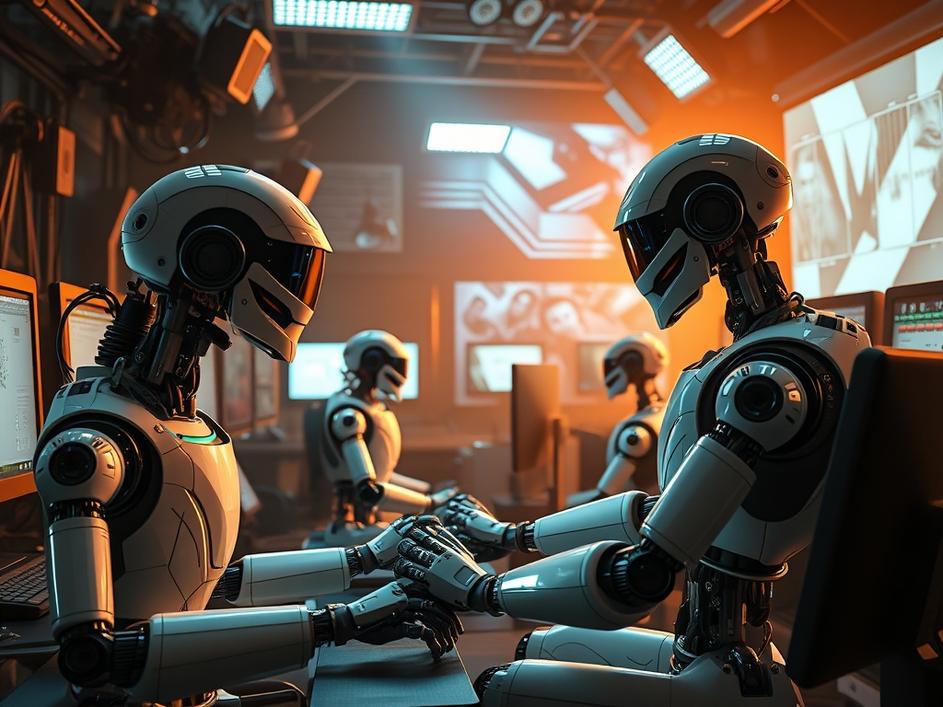
ToggleNetflix is taking a bold step into the future, forging deals with AI studios. This isn’t just a minor adjustment; it’s a potentially seismic shift in how content is created and managed. The core question is: can AI truly help Netflix control costs and scale its content production to meet the ever-growing demand from its global audience? It’s a high-stakes gamble, and the entertainment world is watching closely.
The allure of AI in content creation is understandable. Imagine a world where scripts are polished by algorithms, where initial storyboards are generated by AI, and where post-production tasks are streamlined through intelligent automation. This translates to faster turnaround times and potentially lower production costs. For Netflix, a company constantly under pressure to deliver fresh content, this could be a game-changer. The ability to produce more shows and movies, tailored to specific audience segments, could solidify its position as the dominant streaming platform.
Let’s be honest: content creation is expensive. Actors, writers, directors, editors – the costs add up quickly. If AI can automate even a small percentage of these tasks, the savings could be substantial. We might see AI tools assisting with tasks like generating background visuals, creating subtitles in multiple languages, or even suggesting alternative plotlines based on audience data. The ultimate goal is to optimize resource allocation and get the most bang for their buck. It also potentially gives Netflix more control over the creative process, reducing reliance on expensive external talent for certain aspects of production.
However, the integration of AI into creative fields isn’t without its challenges. Can an algorithm truly replicate the spark of human creativity? Can it capture the nuances of emotion and experience that make a story truly resonate? There are valid concerns that over-reliance on AI could lead to homogenized content, lacking the originality and unique perspectives that audiences crave. The key will be finding the right balance – using AI as a tool to augment human creativity, rather than replace it entirely. If AI starts dictating every creative decision, Netflix risks losing the very qualities that made its content so appealing in the first place. There needs to be oversight and the capacity to reject a suggestion made by AI, or even to edit it and input new ideas of a human origin.
The impact of AI extends beyond content creation. Netflix already uses algorithms to personalize recommendations, suggesting shows and movies that you might enjoy based on your viewing history. But this is just the tip of the iceberg. AI could be used to analyze audience preferences in real-time, identifying emerging trends and informing future content decisions. Imagine an AI system that can predict which types of stories will resonate with different demographics, allowing Netflix to tailor its offerings to specific markets. This level of personalization could significantly improve user engagement and reduce churn.
AI algorithms are only as good as the data they are trained on. If the training data is biased, the resulting AI system will also be biased. This could lead to skewed representations in content, perpetuating harmful stereotypes or excluding certain voices. It’s crucial that Netflix addresses these ethical concerns proactively, ensuring that its AI systems are fair, transparent, and accountable. Furthermore, there are concerns about job displacement. If AI automates certain tasks currently performed by human workers, what happens to those individuals? Netflix has a responsibility to consider the social implications of its AI initiatives and invest in retraining programs to help workers adapt to the changing landscape.
The most likely scenario is a hybrid approach, where AI and human creativity work in tandem. AI can handle the more mundane and repetitive tasks, freeing up human writers, directors, and actors to focus on the more creative aspects of storytelling. This could lead to a new era of content creation, where technology enhances human potential rather than replacing it. It’s a delicate balance, but if Netflix can strike it right, the rewards could be significant. The company could be at the forefront of a new wave of entertainment, delivering personalized and engaging content to audiences around the globe.
Netflix’s foray into AI studios is a bold experiment with the potential to reshape the entertainment industry. While the benefits are enticing, it’s crucial to proceed with caution, addressing the ethical and creative challenges that come with such a radical shift. The key to success will be finding the right balance between automation and human ingenuity, ensuring that AI serves as a tool to enhance storytelling, rather than stifle it. The next few years will be a fascinating period to watch as Netflix navigates this uncharted territory. If they can harness the power of AI responsibly, they could unlock new levels of efficiency, scale, and personalization, solidifying their position as a global entertainment leader. If they fail, they risk alienating audiences and losing their competitive edge.


Comments are closed