

We are a digital agency helping businesses develop immersive, engaging, and user-focused web, app, and software solutions.
2310 Mira Vista Ave
Montrose, CA 91020

2500+ reviews based on client feedback
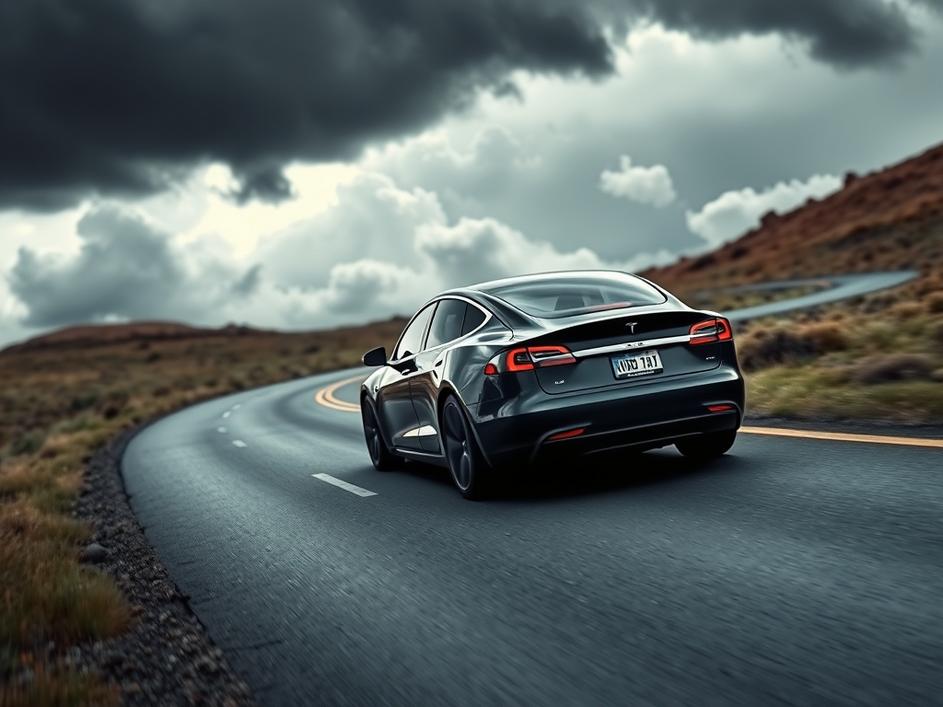
Tesla, a name synonymous with electric vehicles, has hit a bit of a rough patch. The stock has been on a downward trend for eight weeks, and investors are starting to wonder what’s going on. Gary Black, a well-known investor, points to two main culprits: disappointing delivery numbers and growing skepticism surrounding Tesla’s robotaxi plans. It seems the market isn’t quite as confident as Elon Musk in the imminent arrival of fully autonomous vehicles.
Tesla’s delivery numbers are closely watched as a key indicator of the company’s health. When those numbers fall short of expectations, it raises concerns about demand and production efficiency. It’s not just about selling cars; it’s about demonstrating consistent growth and keeping up with the ever-increasing demand for EVs. Supply chain hiccups, increased competition, and even global economic uncertainties can all play a role in delivery slowdowns. When Tesla misses its targets, it sends ripples of unease through the investment community.
The idea of robotaxis – self-driving cars that can be hailed like Ubers but without a driver – has been a futuristic dream for years. Tesla has been a major proponent of this vision, with Elon Musk making bold predictions about their imminent arrival. However, the reality of achieving full autonomy is proving to be much more complex than initially anticipated. Regulatory hurdles, technological limitations, and safety concerns are all significant obstacles. The market seems to be taking a more cautious approach, questioning whether Tesla’s robotaxi timeline is realistic. Some investors may feel that Tesla is banking too much on this unproven technology, potentially diverting resources from its core business.
Despite the challenges Tesla faces, the broader electric vehicle market remains robust. While Tesla might be experiencing some growing pains, EVs, according to Black, still comprise 70% of their current sales.. Other automakers are rapidly expanding their EV offerings, and governments worldwide are implementing policies to encourage EV adoption. This suggests that the demand for electric vehicles is there, but competition is intensifying. Tesla can no longer rely solely on its brand name and early mover advantage. It needs to innovate, improve efficiency, and adapt to the changing market landscape to maintain its dominance.
So, what does this mean for Tesla’s future? The company needs to address the concerns surrounding its delivery numbers by streamlining production and managing supply chain issues effectively. It also needs to manage expectations regarding its robotaxi program, focusing on realistic timelines and demonstrating tangible progress. Communication with investors is crucial; transparency and honesty can go a long way in building trust and confidence. Furthermore, Tesla should continue to invest in innovation, exploring new technologies and expanding its product line to stay ahead of the competition. The road ahead may be bumpy, but Tesla has the potential to navigate these challenges and remain a leader in the electric vehicle revolution.
It’s important to look beyond the immediate headlines and consider the bigger picture. Tesla’s stock performance is influenced by a complex interplay of factors, including market sentiment, investor confidence, and broader economic trends. While delivery numbers and robotaxi skepticism are certainly contributing to the recent decline, they don’t tell the whole story. Tesla is a company known for its ambition and willingness to take risks. This can lead to both great successes and occasional setbacks. Investors need to weigh the potential rewards against the inherent risks when evaluating Tesla’s long-term prospects.
One of the biggest challenges Tesla faces is the increasing competition in the EV market. Established automakers like GM, Ford, and Volkswagen are pouring billions of dollars into developing their own electric vehicles. These companies have extensive manufacturing experience and established dealer networks, giving them a significant advantage. Startups like Rivian and Lucid are also entering the fray, offering innovative and compelling EV options. Tesla can no longer afford to rest on its laurels. It needs to constantly improve its products, reduce costs, and enhance the customer experience to stay ahead of the pack. The EV market is becoming a battleground, and only the most innovative and efficient companies will survive.
Ultimately, Tesla’s success will depend on its ability to execute its long-term vision. This includes not only delivering on its robotaxi promises but also expanding its energy storage business, developing new battery technologies, and building a sustainable ecosystem for electric vehicles. Tesla is not just a car company; it’s an energy company with a mission to accelerate the world’s transition to sustainable energy. This is a bold and ambitious goal, and it will require significant investment, innovation, and perseverance. While the recent stock decline may be a cause for concern, it’s important to remember that Tesla is still a young and rapidly evolving company with a long and potentially very bright future.


Comments are closed