

We are a digital agency helping businesses develop immersive, engaging, and user-focused web, app, and software solutions.
2310 Mira Vista Ave
Montrose, CA 91020

2500+ reviews based on client feedback
What's Included?
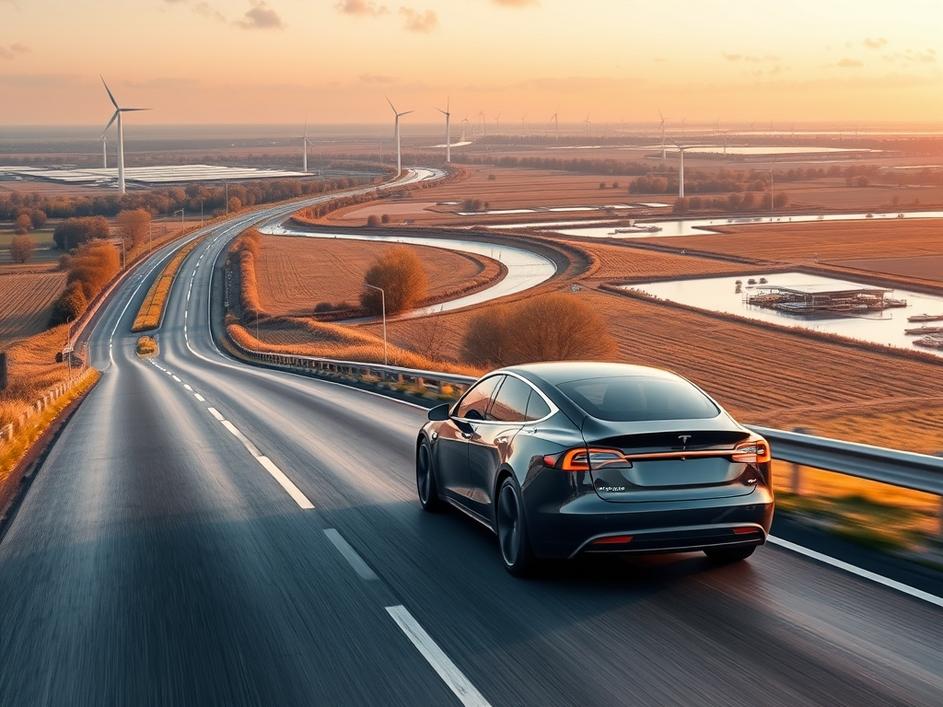
ToggleThe Netherlands has officially become the first country in Europe to approve Tesla’s Full Self-Driving (FSD) Supervised system. This decision, made by the Dutch vehicle authority, RDW, follows extensive testing and marks a significant milestone for autonomous driving technology on the continent. For over a year and a half, regulators meticulously examined Tesla’s system, and now, drivers in the Netherlands can legally experience the latest iteration of FSD on public roads, albeit with supervision. The news has sparked considerable excitement and debate among tech enthusiasts, safety advocates, and policymakers alike.
It’s important to understand what “approval” actually entails. Tesla’s FSD Supervised isn’t truly “full self-driving” in the sense that the car can operate entirely independently. Instead, it’s an advanced driver-assistance system (ADAS) that automates many driving tasks, such as lane keeping, automatic lane changes, navigation on city streets, and automated parking. However, the driver must remain attentive and ready to take control at any moment. This is why it’s called “supervised.” The Dutch regulators have deemed the system safe enough to use on their roads under these conditions, highlighting the progress Tesla has made in refining its technology.
The Netherlands, known for its advanced infrastructure and tech-savvy population, seems like an ideal location for pioneering autonomous driving technologies. The country has well-maintained roads, clear signage, and a high adoption rate of electric vehicles. Also, the Dutch government has actively supported the development and testing of self-driving cars, creating a regulatory environment that encourages innovation while prioritizing safety. This proactive approach made the Netherlands a logical choice for Tesla to seek European approval for its FSD system. Other European countries are likely watching closely to see how FSD performs in the Netherlands before making their own decisions.
Tesla’s FSD has been a subject of intense scrutiny and debate, and this approval will only intensify the discussion. Supporters of the technology emphasize its potential to reduce accidents, improve traffic flow, and make driving more convenient. They point to Tesla’s vast amount of real-world driving data, collected from millions of vehicles, which is used to continuously improve the system’s performance. However, critics raise concerns about the safety of FSD, citing instances where the system has made errors or exhibited unpredictable behavior. The need for constant driver attention, even with FSD engaged, raises questions about driver fatigue and the potential for complacency. The Dutch authorities likely considered these issues carefully before granting approval, and they will probably continue to monitor FSD’s performance closely.
The Netherlands’ approval of Tesla’s FSD Supervised system is just the first step in a long journey toward widespread adoption of autonomous driving technology in Europe. Other countries are evaluating similar systems, and the regulatory landscape is constantly evolving. Issues such as liability in the event of an accident, data privacy, and cybersecurity will need to be addressed before fully self-driving cars become a reality. While Tesla has achieved a notable victory in the Netherlands, it still has work to do to convince regulators and the public that FSD is safe and reliable enough for widespread use. The road ahead is paved with challenges, but the potential rewards – safer roads, more efficient transportation, and new economic opportunities – are too great to ignore. We may see other EU countries following the Netherlands’ lead and approving FSD, provided Tesla can demonstrate consistent performance and adherence to safety standards.
This approval is a big win for Tesla. It gives them a significant advantage in the European market and validates their technology. It will allow them to collect even more real-world data, which is crucial for further refining and improving FSD. It also puts pressure on other automakers to accelerate their own autonomous driving efforts. However, Tesla must continue to prioritize safety and transparency as it expands its FSD program. Public trust is essential for the long-term success of autonomous driving, and any missteps could have serious consequences.
Beyond the technological and regulatory hurdles, there’s also the human element to consider. How will drivers adapt to using FSD on a daily basis? Will they remain vigilant and ready to take control when necessary? Will they become over-reliant on the system and lose their driving skills? These are important questions that need to be answered through ongoing research and education. It’s not enough to simply develop the technology; we also need to ensure that drivers are properly trained and prepared to use it safely.
While the news of Tesla’s FSD approval in the Netherlands is exciting, it’s important to maintain a realistic perspective. Self-driving technology is still in its early stages of development, and there are many challenges to overcome before fully autonomous vehicles become commonplace. It’s unlikely that we’ll see truly driverless cars on our roads anytime soon. However, the progress that Tesla and other companies are making is undeniable, and the potential benefits of autonomous driving are immense. The key is to proceed cautiously, prioritize safety, and address the ethical and societal implications of this transformative technology.

Comments are closed