

We are a digital agency helping businesses develop immersive, engaging, and user-focused web, app, and software solutions.
2310 Mira Vista Ave
Montrose, CA 91020

2500+ reviews based on client feedback
What's Included?
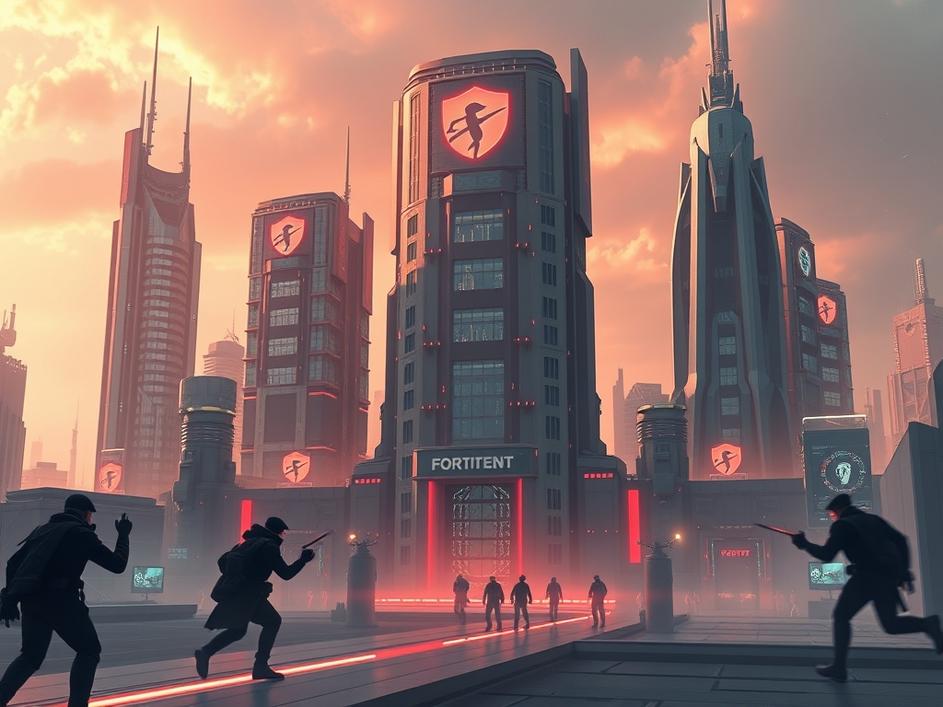
ToggleIn the ever-evolving world of technology, cybersecurity companies like Fortinet are supposed to be our digital guardians. They build the firewalls, develop the intrusion detection systems, and generally work to keep the bad guys out. But what happens when the protectors themselves become the target? Recent news surrounding Fortinet, including a reported data breach and growing concerns about potential AI-driven exploits, are causing investors to rethink the long-term story for this major player. It’s not just about a dip in stock price; it’s about questioning the fundamental resilience of even the most established cybersecurity firms in the face of increasingly sophisticated threats.
The reported breach at Fortinet is a serious issue. While the specific details are still emerging, any compromise of a cybersecurity vendor’s systems raises immediate red flags. After all, these companies hold sensitive information about their clients’ networks, vulnerabilities, and security strategies. A successful attack could provide malicious actors with a treasure trove of data to exploit, potentially impacting countless organizations that rely on Fortinet’s services. The big question investors are asking: is this an isolated incident, or does it point to deeper systemic weaknesses in Fortinet’s own security posture? The answer could significantly impact their long-term outlook on the company.
Artificial intelligence is rapidly changing the cybersecurity landscape, but not always in a good way. While AI offers powerful tools for threat detection and response, it also creates new avenues for attack. The fear is that malicious actors could use AI to automate vulnerability discovery, craft highly targeted phishing campaigns, or even develop autonomous malware that can evade traditional security measures. The idea of AI being used to exploit vulnerabilities in systems protected by AI is a scary thought. The concern is that companies like Fortinet need to adapt quickly to defend against these AI-powered threats. Failure to do so could leave them, and their customers, increasingly vulnerable.
So, what does all of this mean for investors holding Fortinet (FTNT) stock? The immediate reaction has been a certain level of unease, as reflected in market activity. But the long-term implications are more nuanced. On one hand, the increased focus on cybersecurity, driven by these very threats, could lead to greater demand for Fortinet’s services. On the other hand, the company faces mounting pressure to innovate and stay ahead of the curve in a rapidly evolving threat landscape. The breach and the AI exploit fears highlight the inherent risks in the cybersecurity sector, where a single mistake can have devastating consequences. Investors need to carefully assess Fortinet’s ability to adapt and maintain its competitive edge in this challenging environment. It’s not enough to simply provide security products; trust and reliability are also critical, and these have been shaken.
Fortinet’s response to these challenges will be critical in shaping its long-term investment story. The company needs to be transparent about the details of the breach, take decisive action to address any vulnerabilities, and demonstrate a clear commitment to innovation in the face of AI-driven threats. Investors will be closely watching how Fortinet navigates these turbulent waters. Does the company possess the technical expertise, the leadership, and the financial resources to overcome these challenges and emerge stronger? Or will these events mark the beginning of a longer-term decline? The next few quarters will provide valuable insights into Fortinet’s resilience and its ability to maintain its position as a leader in the cybersecurity industry.
Ultimately, the issues facing Fortinet serve as a wake-up call for the entire cybersecurity industry. No company, no matter how large or well-established, is immune to attack. The threat landscape is constantly evolving, and cybersecurity vendors must continuously adapt and innovate to stay ahead of the curve. This means investing in cutting-edge technologies, fostering a culture of security awareness, and prioritizing transparency and communication with customers. The future of cybersecurity depends on the ability of these companies to learn from their mistakes and work together to create a more secure digital world.
And it’s not just about technology. One of the biggest vulnerabilities is human error. Training employees to recognize phishing attempts, implementing strong password policies, and limiting access to sensitive data are all crucial steps in mitigating risk. Companies need to foster a security-conscious culture where everyone understands their role in protecting valuable information.
The Fortinet situation highlights the complex and ever-changing nature of cybersecurity investing. While the long-term demand for cybersecurity solutions is likely to remain strong, investors need to be aware of the inherent risks and carefully assess the ability of individual companies to adapt and innovate. The breach and the AI exploit fears have introduced a new level of uncertainty into the Fortinet story, and it remains to be seen whether the company can successfully navigate these challenges and maintain its position as a leader in the industry. For investors, a cautious and informed approach is essential.


Comments are closed