

We are a digital agency helping businesses develop immersive, engaging, and user-focused web, app, and software solutions.
2310 Mira Vista Ave
Montrose, CA 91020

2500+ reviews based on client feedback
What's Included?
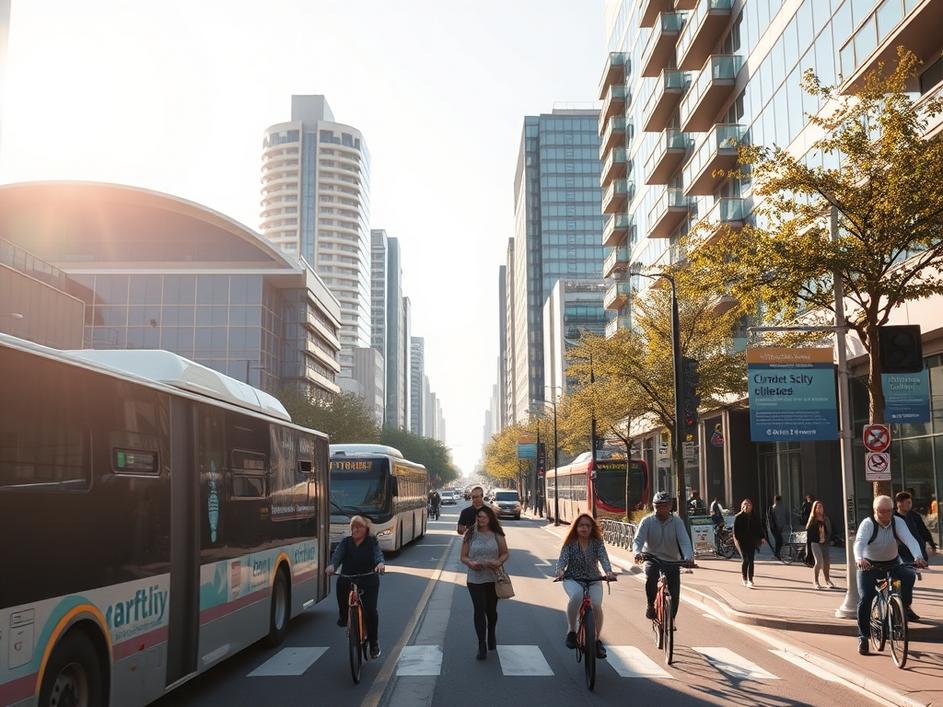
ToggleThe city rolled out a climate plan that aims to cut emissions and make streets safer. It sounds calm, but it could change a lot. The plan says downtown traffic will be trimmed on weekends, bike lanes will widen, and small businesses can get rebates to switch to clean power. City hall frames it as practical, not flashy, and there is talk of a longer runway for electric buses. The public reaction is a mix. Some residents greet it as a breath of fresh air. Others fear the cost and the hassle. The article I read lays out the big goals and quotes officials who say this is a steady, doable path. My take: a plan is just words until people feel a change in their daily routine. For that to happen, we need clear timing, fair funding, and transparency about who pays and who benefits.
The plan sets targets but keeps details fuzzy on the budget and schedule. That matters. If big numbers come with big fees for small shops or commuters, trust fades fast. The write-up mentions subsidies for retrofits and energy audits, but it doesn’t map the process. How long will it take? Who is eligible? What paperwork is required? These are the questions people ask. In my view, it’s fine to dream big, but you need a practical path. If the city can show quarterly reports with costs, savings, and air readings, people stay engaged. Without that, the plan risks becoming a headline that fades. I want to see a real plan that people can follow and a way to measure progress in plain terms.
Meet Maria, owner of a cafe near the plaza. She worries that weekend car bans could cut foot traffic. She also sees a chance: bike lanes might bring more passersby and three extra seats for customers outside. A nurse who relies on the bus feels hopeful about faster routes. A parent likes calmer streets near schools. These are small stories, but they show the truth behind a policy. If the plan makes life easier for everyday people, it sticks. If it adds red tape, it sinks. The article didn’t dive into these micro impacts, but the change will land here first. For policy to work, officials must make the path clear and offer real help where it’s needed.
Coverage frames the move as a political choice. It is. It can be seen as pro-clean air or pro-business, and sometimes both at once. The risk is that the numbers feel hollow. If the city notes upfront costs but hides long-term savings, people feel misled. The piece I read asks for a straight view: what happens to tax dollars, energy use, and traffic flows? Those are fair questions. Public trust grows when leaders speak plainly and share uncertainties, not just triumphs. A plan with some humility is easier to back than one that sounds flawless. This is a test of character as much as a policy test. If officials admit bumps and adjust quickly, they earn real trust.
What I want to see next is a simple dashboard. Air quality, bus wait times, and housing or energy bills. If prices rise for basic goods, who bears the burden? If new routes attract riders, does that cut car trips? The plan mentions partnerships with utility companies and retrofit grants. The next chapter should show real progress, not promises. The best outcome is a balance: cleaner air and manageable living costs. If the city can prove that, people will feel the change. If not, the plan stays a nice idea. The index will tell the story, not a press release.
My view matches many locals. A cleaner city matters. It won’t fix every problem overnight. Patience matters. The plan is a map, not a cage. If the city stays open to feedback and makes changes, it has a chance to last. The ultimate goal should be a city where people trust decisions and feel the benefits in daily life. That takes steady work, honest updates, and kindness toward those who worry. The city is testing a path. If it handles bumps well, it could offer a model for other towns. In the end, progress shows up in small, steady steps we can notice in our routines.



Comments are closed