

We are a digital agency helping businesses develop immersive, engaging, and user-focused web, app, and software solutions.
2310 Mira Vista Ave
Montrose, CA 91020

2500+ reviews based on client feedback
What's Included?
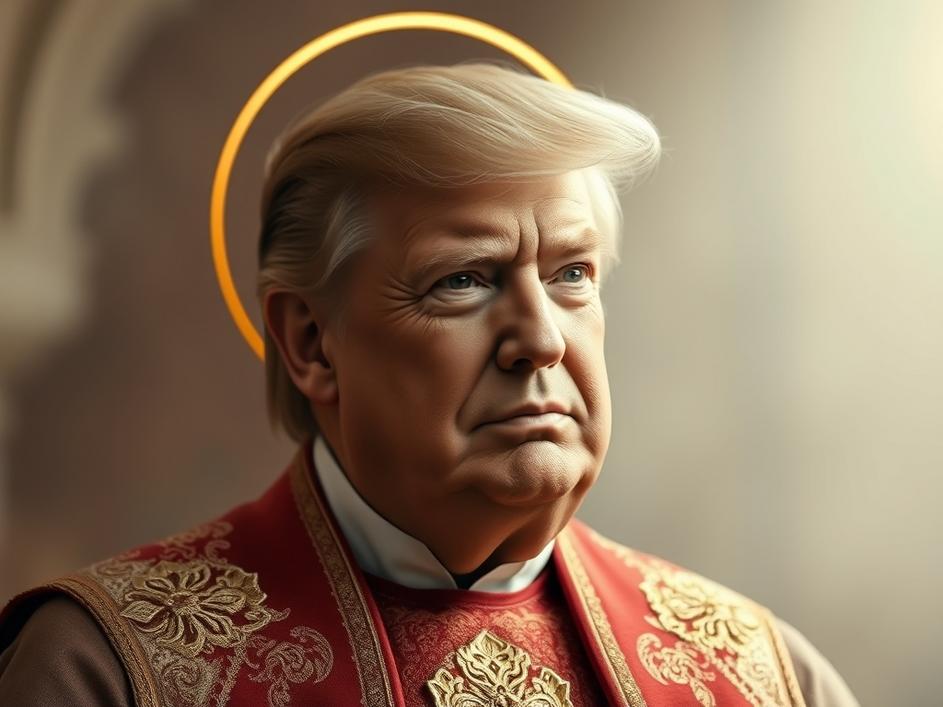
ToggleFormer President Donald Trump recently shared an AI-generated image on his Truth Social platform that quickly stirred controversy. The picture depicted him in what some considered a Christ-like pose, adorned in robes. The image was swiftly deleted, leaving many to wonder about the motivations behind its creation and subsequent removal.
The now-deleted post ignited a flurry of reactions across social media. Some users criticized the image as blasphemous, while others viewed it as a harmless, albeit peculiar, attempt at self-aggrandizement. The incident highlights the growing intersection of AI-generated content and political figures, raising questions about the ethical and practical implications of such technology in the public sphere. It’s yet another example of how quickly something can go viral and the challenges of controlling the narrative online.
The ability to create realistic images using artificial intelligence is advancing rapidly, and this incident underscores the potential for misuse or misinterpretation. While AI offers creative possibilities, it also presents the risk of spreading misinformation or creating content that is perceived as offensive. The Trump image saga serves as a reminder of the need for careful consideration and responsible use of AI technology, especially by those in positions of power.
The reasons behind the deletion of the image remain unclear. Was it a genuine mistake? Did someone on Trump’s team realize the potential for negative backlash? Or was it a calculated move to generate buzz and then retract, keeping Trump in the headlines? Whatever the reason, the episode demonstrates the complexities of managing a public image in the age of instant communication and AI-generated content. The speed with which the image was removed suggests someone recognized the problematic nature of its content and impact.
This event also touches upon the increasingly blurred lines between reality and perception in the digital age. With AI capable of creating convincing simulations, it becomes more challenging to discern what is authentic and what is fabricated. This can have significant consequences for public discourse, as individuals may struggle to form informed opinions based on reliable information. It will be more and more important for people to learn media literacy and understand how AI can be used to manipulate images and videos.
The Trump AI image incident offers a valuable lesson in digital responsibility. Public figures, in particular, must be mindful of the content they share online, as it can have far-reaching consequences. The rapid spread of information, coupled with the potential for misinterpretation, means that even seemingly harmless posts can spark controversy and damage reputations. It calls for greater transparency and accountability in the use of AI-generated content, especially in the political arena. Everyone needs to be more careful about what they post online, but people with a large reach, like Donald Trump, need to be especially cognizant.
One thing is certain: controversy sells. Even the deletion of the image served to amplify its reach, as news outlets and social media users alike dissected and discussed the incident at length. This raises questions about the incentives that drive online behavior and the extent to which controversy is deliberately courted for attention. The cycle continues, with each new controversy generating even more buzz and further entrenching individuals in their existing beliefs. It begs the question: are we doomed to a perpetual cycle of outrage and division?
Ultimately, the Trump AI image incident is more than just a fleeting moment of online drama. It speaks to larger issues about the role of technology in shaping our perceptions, the responsibilities of public figures in the digital age, and the need for critical thinking in an era of misinformation. As AI becomes increasingly integrated into our lives, it is essential that we develop the tools and frameworks necessary to navigate its complexities and ensure its responsible use. We need to think about the long-term effects that AI will have on our society and make sure it is used for good, not for harm.
Looking ahead, it’s likely we’ll see more instances of AI-generated content being used in political discourse. As the technology becomes more sophisticated and accessible, politicians and their campaigns may be tempted to use it to create compelling narratives or influence public opinion. It will be crucial for voters to be discerning consumers of media, capable of distinguishing between authentic content and AI-generated simulations. Only then can we ensure that our political discourse remains grounded in reality and informed by truth.
The Trump AI image affair might be a minor blip in the grand scheme of things, but it encapsulates many of the challenges and opportunities presented by the digital age. It serves as a cautionary tale about the power of images, the importance of responsibility, and the enduring need for critical thinking in a world saturated with information. The story doesn’t end here; it’s a continuing conversation about the intersection of technology, politics, and society.



Comments are closed