

We are a digital agency helping businesses develop immersive, engaging, and user-focused web, app, and software solutions.
2310 Mira Vista Ave
Montrose, CA 91020

2500+ reviews based on client feedback
What's Included?
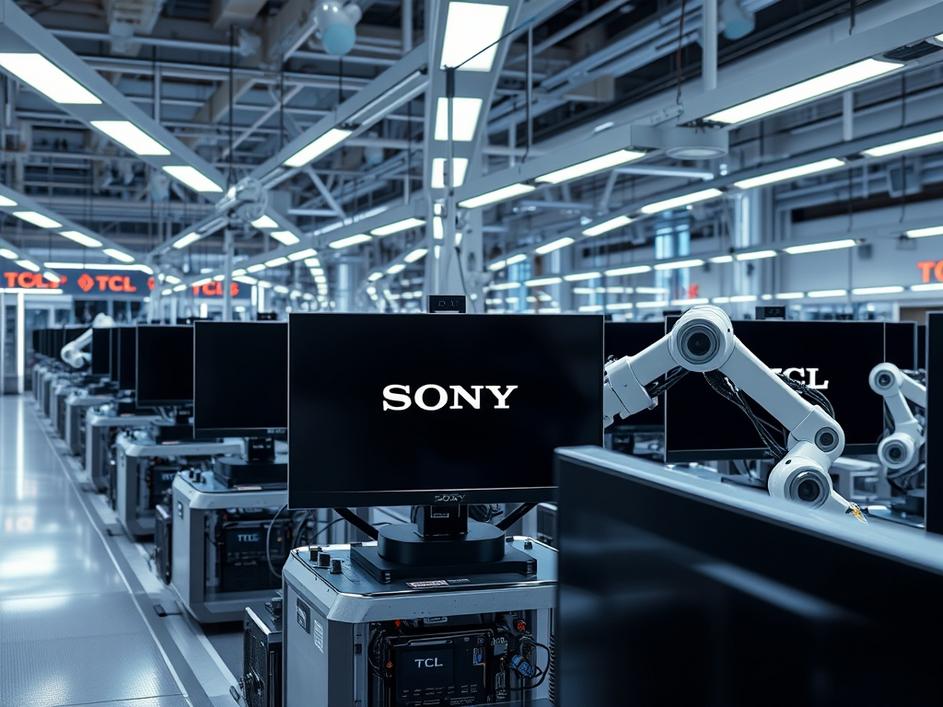
ToggleSony, a name synonymous with quality and innovation in the television industry, has made a surprising move. They’re essentially handing over the reins of their TV business to TCL, a Chinese electronics giant. Now, before you panic and throw out your Sony remote, let’s break down what this actually means for you, the consumer. It’s not as simple as Sony TVs suddenly becoming TCL TVs with a different logo. It’s a more nuanced partnership that could lead to some interesting changes, both good and bad, for the future of your home entertainment.
What exactly does “handing over control” entail? Well, Sony isn’t selling its brand or completely abandoning the TV market. Instead, they’re outsourcing the manufacturing and development of their TVs to TCL. Think of it like this: Sony will still design and engineer the core picture technologies, the brains of the operation. They’ll dictate the features, the image quality standards, and the overall user experience. But TCL will be responsible for building the TVs, sourcing the components, and managing the supply chain. This allows Sony to focus on what they arguably do best: innovation and picture processing, while TCL handles the more logistical and cost-sensitive aspects of production. The official announcement states the agreement is to outsource, and it sounds like Sony will still have the final say on what goes into a new TV.
One potential benefit of this partnership is lower prices for Sony TVs. TCL is known for its efficient manufacturing processes and competitive pricing. By leveraging TCL’s expertise, Sony could potentially reduce production costs and pass those savings on to consumers. Imagine getting a Sony TV with the same stunning picture quality, but at a more affordable price point. That’s a definite win. Also, TCL is a massive company with significant resources, so it could also lead to faster innovation. TCL can focus on the manufacturing challenges that sometimes slow new tech from getting to market. Sony focuses on the quality of the devices and new ways to improve picture quality.
Of course, there are potential downsides to consider. One major concern is quality control. Sony has built its reputation on producing high-quality, reliable TVs. Will TCL be able to maintain those same standards? It’s a valid question, and Sony will need to have strict oversight to ensure that TCL doesn’t cut corners. Another concern is brand identity. Sony TVs have a certain cachet, a perception of being premium and sophisticated. Will that brand image be diluted if the TVs are essentially being made by a different company? It’s something that Sony will need to carefully manage. Consumers want to know what to expect when they buy a Sony product, and it is important not to diminish the brand’s value proposition.
So, what does all of this mean for your next TV purchase? Well, it’s a bit of a wait-and-see situation. It’s unlikely that we’ll see the immediate effects of this partnership in the current TV models. But in the coming years, expect to see some changes in Sony’s TV lineup. Prices could come down, and there might be some new features and technologies that are a direct result of the collaboration with TCL. But it’s also important to do your research and read reviews carefully to ensure that the quality and performance of Sony TVs remain consistent. Keep an eye on user reviews and professional tests to see if the build quality stays where you expect it to be.
This move by Sony is part of a larger trend in the electronics industry: collaboration and outsourcing. Companies are increasingly focusing on their core competencies and partnering with other companies to handle the aspects of their business that they’re not as good at. It’s a way to reduce costs, increase efficiency, and stay competitive in a rapidly changing market. This is also driven by the commodification of panels. The actual displays are now relatively inexpensive, so companies are looking for ways to add value with software, processing, and other features that distinguish their products from the competition. This also means that companies can focus on design and software, leaving the manufacturing to others.
The success of this partnership will depend on Sony’s ability to strike a delicate balance. They need to leverage TCL’s manufacturing expertise to reduce costs and accelerate innovation, but they also need to maintain strict quality control and preserve their brand identity. If they can pull that off, then this could be a win-win situation for both Sony and consumers. But if they drop the ball on quality or brand management, then it could be a costly mistake. The next few years will be crucial in determining the long-term impact of this partnership on the TV industry. The collaboration has to maintain the quality consumers expect from a Sony device while keeping up with the competition. Competition between TV brands will continue to heat up.
Ultimately, Sony’s decision to partner with TCL is a calculated risk. It has the potential to bring some exciting changes to the TV market, including lower prices and faster innovation. But it also raises some valid concerns about quality control and brand identity. For now, the best approach is to proceed with cautious optimism. Keep an eye on Sony’s TV lineup in the coming years, do your research, and make sure that you’re getting the quality and performance that you expect from a Sony product. The landscape of TV technology is constantly evolving, and this partnership is just the latest chapter in that story. It will be interesting to see how it all unfolds.

Comments are closed