

We are a digital agency helping businesses develop immersive, engaging, and user-focused web, app, and software solutions.
2310 Mira Vista Ave
Montrose, CA 91020

2500+ reviews based on client feedback
What's Included?
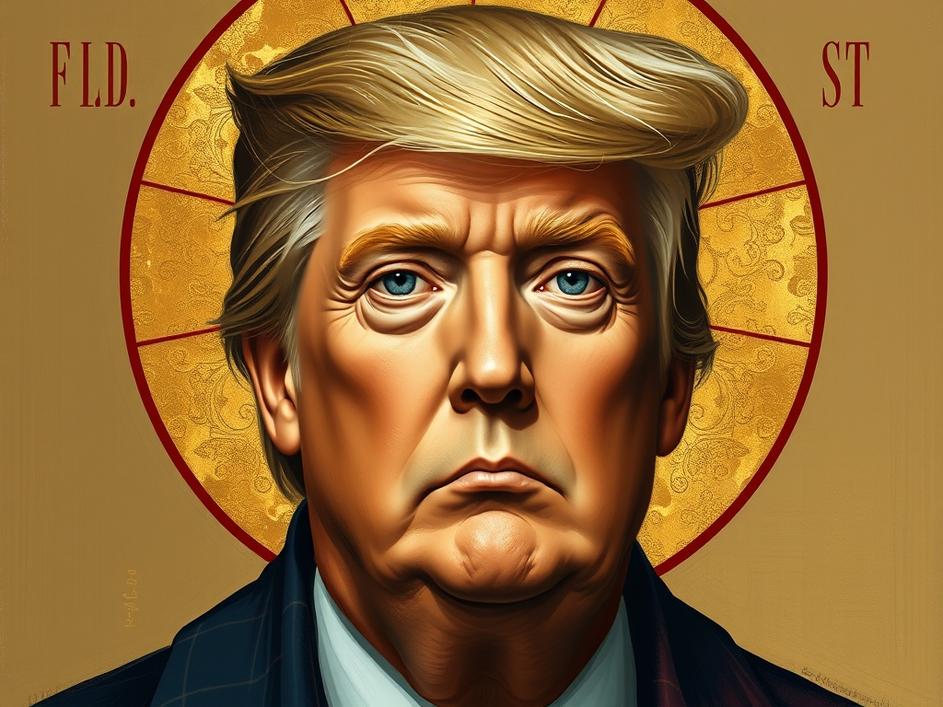
ToggleDonald Trump recently posted an AI-generated image that depicted him in a rather, shall we say, messianic light. The internet, as expected, exploded. The image, quickly dubbed the “Trump Jesus” picture, showed the former president in a pose reminiscent of religious iconography. It didn’t take long for the post to vanish, leaving many to wonder what exactly was going through Trump’s head. Was it a genuine attempt at humor, a bizarre ego trip, or just another day in the wild world of Trump’s social media presence?
Trump later explained that he removed the image due to the confusion it caused. Fair enough. He claimed he didn’t want people to misinterpret the meme. But let’s be honest, with Trump, there’s always a layer (or several layers) of complexity. Was the confusion the real reason, or was it the potential backlash from religious groups or even his own supporters? It’s hard to say for sure, but the quick deletion suggests someone, somewhere, thought it crossed a line.
Adding another layer to the story, Trump also took a jab at conservative activist Riley Gaines. Gaines has been vocal on social issues, and Trump’s remark, though brief, seemed to suggest a disagreement or perhaps a bit of political rivalry. This little tidbit highlights how Trump often uses social media to settle scores, promote allies, and generally keep himself in the news cycle. It’s a strategy that has worked for him in the past, and he shows no signs of stopping now.
This whole episode brings up a bigger question: How will AI-generated content impact political discourse? We’re already seeing AI used to create deepfakes, generate realistic-sounding speeches, and craft targeted advertisements. The “Trump Jesus” image is just a taste of what’s to come. As AI technology advances, it will become harder to distinguish between what’s real and what’s fabricated. This poses a significant challenge to voters and the media alike, who will need to become more critical consumers of information. The lines between satire, parody, and outright propaganda are getting increasingly blurred. This event should serve as a wake-up call. We need to develop better tools and strategies for identifying and combating misinformation in the digital age.
There’s also the question of whether the image was just harmless fun or deeply offensive. Humor is subjective, and what one person finds funny, another might find disrespectful. Depicting a political figure as a religious icon certainly treads on sensitive ground. Some might argue that it’s a form of blasphemy, while others might see it as a clever way to critique or satirize Trump’s larger-than-life persona. The reaction to the image was divided, with some conservatives expressing outrage and some liberals enjoying the spectacle. This divide reflects the deep polarization in American society, where even something as seemingly trivial as a meme can spark intense debate. It also highlights the challenge of navigating religious sensitivities in the age of internet humor.
One thing that’s clear is that Trump continues to defy traditional political norms. He uses social media in ways that are often unconventional, unpredictable, and sometimes downright bizarre. This has both its advantages and disadvantages. On the one hand, it allows him to connect directly with his supporters without the filter of the mainstream media. On the other hand, it can lead to gaffes, controversies, and accusations of spreading misinformation. Love him or hate him, Trump’s communication style is undeniably effective at capturing attention and generating buzz. He knows how to play the media game, and he’s not afraid to push the boundaries of what’s considered acceptable in political discourse. This latest episode with the AI-generated image is just another example of his willingness to break the rules and stir things up.
Ultimately, the “Trump Jesus” image is more than just a funny meme. It’s a sign of the times. It reflects the growing role of AI in shaping our perceptions, the increasing polarization of our society, and the blurring lines between reality and fiction. As we move further into the digital age, we need to be more aware of the ways in which technology can be used to manipulate and influence us. We need to develop critical thinking skills and media literacy. And we need to be willing to engage in respectful dialogue, even when we disagree with one another. The future of our democracy may depend on it. The incident with the image, as odd as it sounds, highlights the complexities of communication in today’s world.
The incident, as funny or concerning as one might find it, is a sign of things to come. AI will become further integrated into our political landscape, and the ability to discern truth from fiction will become ever more critical. It is not only up to the consumers of the media but also the creators of the message to ensure responsibility and ethical practice. We must navigate this evolving landscape with caution and awareness, lest we become lost in a sea of misinformation and manipulated realities.



Comments are closed