

We are a digital agency helping businesses develop immersive, engaging, and user-focused web, app, and software solutions.
2310 Mira Vista Ave
Montrose, CA 91020

2500+ reviews based on client feedback
What's Included?
ToggleAmazon is in hot water. A new class action lawsuit claims the company deliberately sabotaged older Fire TV Sticks to push users into buying newer models. The lawsuit suggests that software updates were designed to bog down performance on older devices, making them slow and frustrating to use. This isn’t just about annoying customers; it’s about allegedly forcing them to spend more money. This is a serious accusation that could have significant repercussions for Amazon and how it handles its hardware life cycles.
According to the lawsuit, Amazon achieved this slowdown through software updates. These updates, while ostensibly intended to improve the user experience or add new features, instead consumed more processing power and memory than older devices could handle efficiently. The result? Fire TV Sticks that once streamed content smoothly now stutter, lag, and freeze, prompting users to seek a faster alternative. Think of it like putting bigger, heavier wheels on an old car – it might look cool, but it’s going to struggle to get up to speed.
The question is: is this a common practice in the tech world? Planned obsolescence, the strategy of making products obsolete to encourage replacement purchases, is nothing new. From smartphones to printers, there have been accusations that companies intentionally shorten the lifespan of their products. The line between optimizing for new features and deliberately crippling older devices can be blurry, but this lawsuit aims to draw a clear distinction. The legal system now has to determine if Amazon crossed that line.
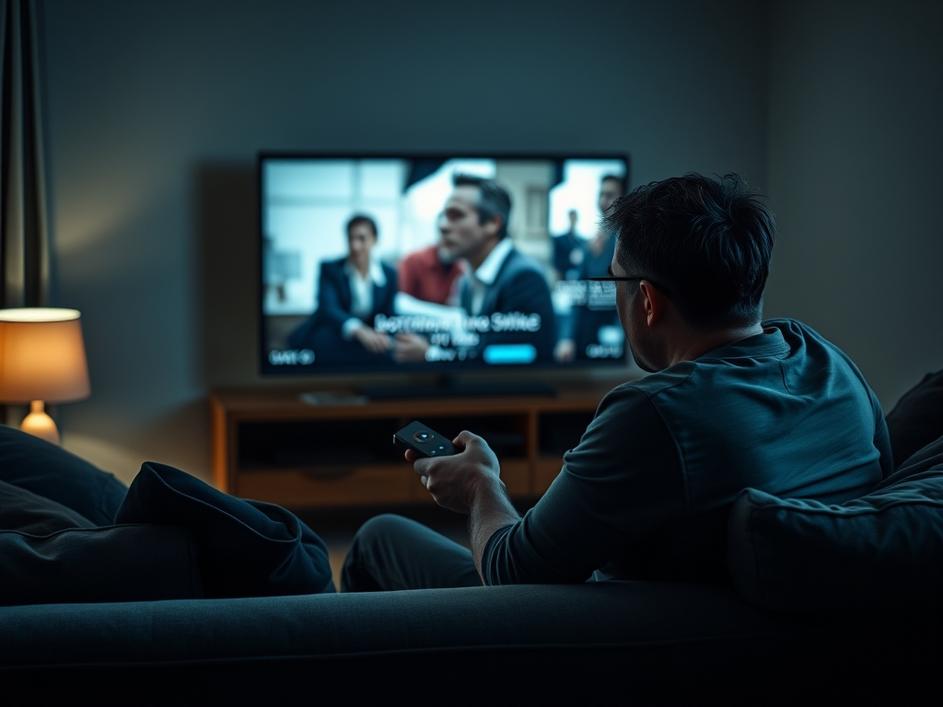
Imagine settling in for a movie night, only to be met with constant buffering and glitches on your Fire TV Stick. The frustration is real, and many users have taken to online forums and social media to voice their complaints about the declining performance of their devices. This lawsuit taps into that widespread dissatisfaction, arguing that Amazon knowingly created this problem to boost sales. It’s the kind of user experience that can quickly erode brand loyalty and damage a company’s reputation. Now the customers are fighting back.
This case won’t be an easy win for the plaintiffs. They’ll need to provide solid evidence that Amazon intentionally degraded the performance of older Fire TV Sticks. This could involve analyzing software updates, internal communications, and performance data. Amazon, on the other hand, will likely argue that the slowdowns are simply a result of technological advancements and the increasing demands of modern streaming services. If Amazon is found liable, they could face substantial financial penalties and be forced to change their software update practices. The result could be a major shift in how tech companies support their older devices.
This lawsuit is more than just a legal battle between Amazon and its customers. It raises important questions about consumer rights, product lifespan, and corporate responsibility. If Amazon is found guilty, it could set a precedent for future cases against other tech companies accused of similar practices. Consumers may become more aware of planned obsolescence and demand greater transparency from manufacturers about the long-term support of their products. We might even see laws and regulations that protect consumers from this kind of alleged manipulation.
While the focus is on Amazon right now, this lawsuit highlights a broader issue within the tech industry. The constant push for upgrades and new devices often comes at the expense of older, perfectly functional products. As consumers, we need to be more critical of this cycle and demand more sustainable and ethical practices from the companies we support. This includes longer software support, repairable devices, and a greater emphasis on product longevity.
Ultimately, the outcome of this lawsuit could reshape the streaming landscape. Whether it leads to changes in Amazon’s practices or inspires similar actions against other companies, it’s a reminder that consumers have power and a right to hold corporations accountable. As technology continues to evolve at a rapid pace, it’s crucial that companies prioritize fairness, transparency, and sustainability over short-term profits. The future of streaming and consumer electronics depends on it.


Comments are closed