

We are a digital agency helping businesses develop immersive, engaging, and user-focused web, app, and software solutions.
2310 Mira Vista Ave
Montrose, CA 91020

2500+ reviews based on client feedback
What's Included?
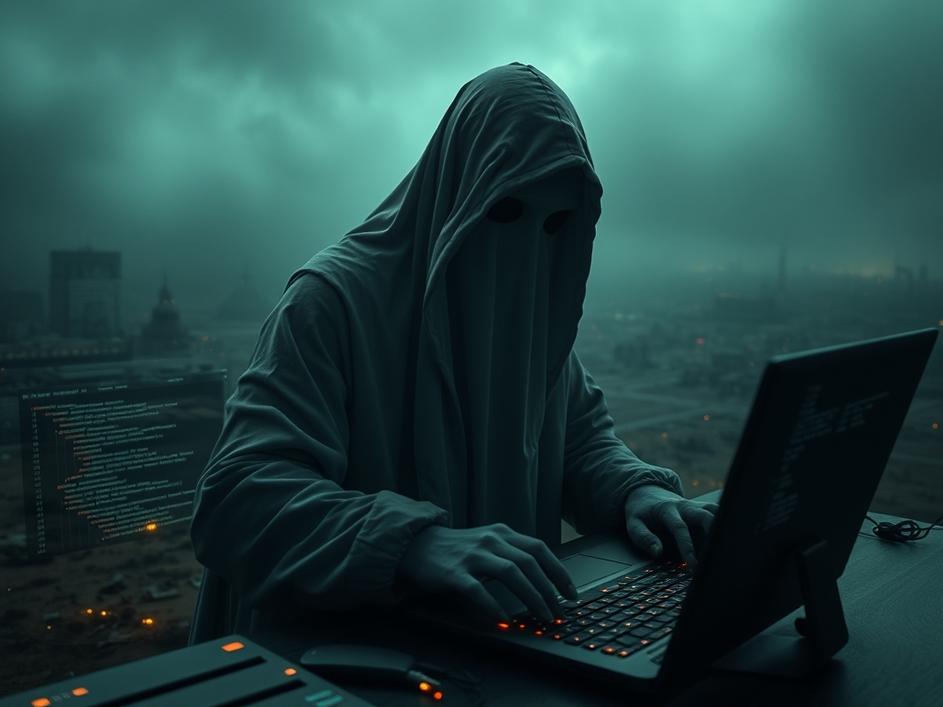
ToggleThe modern battlefield isn’t just about tanks and troops anymore. Increasingly, it’s about the invisible war fought through computer networks and digital devices. We’re seeing a rise in what’s called cyber and information warfare, and Iran is becoming a significant player. While traditional military strength is important, the ability to disrupt and deceive through digital means can be equally, if not more, effective. This involves everything from hacking critical infrastructure to spreading disinformation online.
Recently, the United Arab Emirates (UAE) issued a warning about fake text messages claiming to be from the Ministry of Interior. These messages, related to alleged security incidents, were designed to sow confusion and potentially panic among residents. The UAE government urged people to ignore these texts and get their information from official sources. This seemingly small incident is actually a symptom of a larger problem: the use of disinformation as a weapon, and all signs point to Iran being a key orchestrator in the region.
Cyber warfare isn’t just about hacking into systems and stealing data. It’s also about manipulating information to influence public opinion, create chaos, and undermine trust in governments and institutions. Imagine a scenario where fake news stories flood social media, designed to exacerbate existing tensions or incite violence. Or consider the impact of a coordinated campaign to discredit political leaders or spread false rumors. These tactics, often referred to as information operations or psychological warfare, can be incredibly effective in destabilizing a region without firing a single shot. The goal is to create confusion, fear, and distrust, making it harder for people to know what to believe and who to trust. This erosion of trust can have a significant impact on social cohesion and political stability.
Iran has invested heavily in developing its cyber capabilities in recent years. This includes building sophisticated hacking tools, recruiting skilled programmers, and establishing networks of online actors to spread propaganda. While the exact scope of Iran’s cyber activities is difficult to know for sure, experts believe they are involved in a wide range of operations, from espionage and sabotage to disinformation campaigns and influence operations. They are not necessarily the most technologically advanced, but their persistence and evolving strategies make them a formidable foe. Their tactics are constantly adapting, requiring constant vigilance and countermeasures. What makes Iran a dangerous actor is their willingness to use these tools aggressively, seeing them as a key component of their regional strategy.
Iran’s use of cyber warfare is closely linked to its broader regional ambitions. They see it as a way to project power, exert influence, and undermine their rivals, all while minimizing the risk of direct military confrontation. By using cyberattacks and disinformation campaigns, Iran can destabilize its opponents, sow discord, and create opportunities to advance its own interests. This approach is particularly attractive because it allows Iran to operate in the shadows, making it difficult to attribute attacks and hold them accountable. Furthermore, it’s a relatively low-cost way to achieve significant strategic gains. They are able to disrupt economies, influence elections, and undermine governments without deploying troops or engaging in open warfare.
So, what can be done to counter the threat of Iranian cyber warfare? First, it’s crucial to strengthen cybersecurity defenses, protecting critical infrastructure and government systems from attack. This requires investing in advanced technologies, training cybersecurity professionals, and fostering greater collaboration between government, industry, and academia. Second, it’s important to improve our ability to detect and attribute cyberattacks, so we can hold perpetrators accountable. This requires developing sophisticated forensic tools and building international partnerships to share information and coordinate responses. Third, we need to counter disinformation campaigns by promoting media literacy, supporting independent journalism, and working with social media platforms to remove fake news and propaganda. Finally, deterrence is key. Iran needs to understand that there will be consequences for its cyber aggression. This could involve a range of measures, from economic sanctions to retaliatory cyberattacks.
Ultimately, the most effective defense against cyber warfare isn’t just about technology; it’s about people. We need to educate citizens about the risks of disinformation and encourage them to be critical consumers of information. We need to foster a culture of cybersecurity awareness, where individuals and organizations take responsibility for protecting their own data and systems. And we need to build trust in institutions and governments, so people are less likely to be swayed by propaganda and misinformation. This requires transparency, accountability, and a commitment to serving the public interest. The human element is the key to fighting the ghost in the machine.
The threat of cyber warfare is not going away anytime soon. As technology advances and the world becomes increasingly interconnected, the opportunities for cyberattacks and disinformation campaigns will only grow. We need to be prepared for a future where cyber conflict is a constant reality, and where our societies are constantly under threat from digital attacks. This requires a long-term commitment to building resilience, strengthening defenses, and fostering a culture of cybersecurity awareness. The digital battlefield is here to stay, and we must be ready to fight the invisible war.



Comments are closed