

We are a digital agency helping businesses develop immersive, engaging, and user-focused web, app, and software solutions.
2310 Mira Vista Ave
Montrose, CA 91020

2500+ reviews based on client feedback
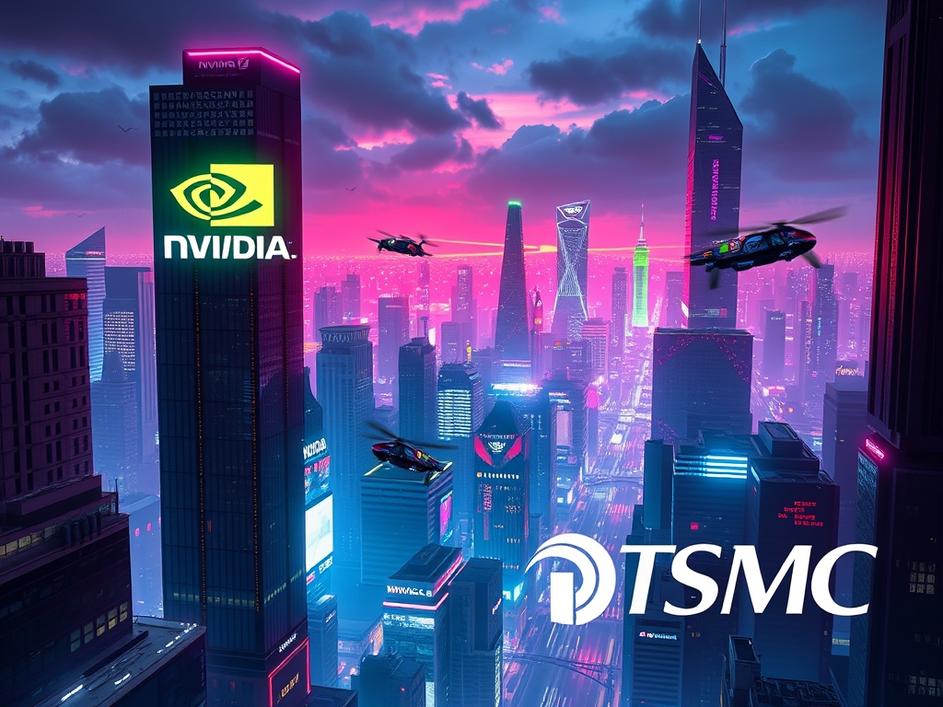
Taiwan Semiconductor Manufacturing Company (TSMC), the giant behind the chips powering much of the world’s technology, just announced a record-breaking profit for the first quarter. And while that’s great news for TSMC, it’s also a potential treasure map hinting at what’s coming down the pipeline for one of its biggest customers: Nvidia. TSMC’s success isn’t just about them; it reflects the overall health and direction of the semiconductor industry, and, more specifically, the demand for high-performance chips that Nvidia specializes in.
Think of TSMC as the engine builder for Formula 1 race cars, and Nvidia as one of the top racing teams. Nvidia designs the cutting-edge GPUs (graphics processing units) that are essential for everything from gaming to artificial intelligence. But they don’t actually manufacture those chips themselves. That’s where TSMC comes in. TSMC takes Nvidia’s designs and turns them into reality, using its advanced manufacturing processes. So, when TSMC is doing well, it’s a good sign that companies like Nvidia are also seeing strong demand for their products. The chipmaking process is incredibly complex and requires massive investment in specialized equipment. That’s why only a few companies like TSMC can handle the demands of leading-edge chip designers like Nvidia. The relationship is symbiotic. Nvidia relies on TSMC’s manufacturing prowess, and TSMC benefits from Nvidia’s innovative chip designs.
TSMC’s record profits suggest a few key things about Nvidia’s near future. First, it indicates that the demand for high-performance computing is still strong. This is driven by several factors, including the continued growth of AI, the increasing popularity of cloud computing, and the ongoing demand for powerful gaming hardware. All these trends rely on advanced chips that Nvidia excels at creating. The report also suggests that TSMC is successfully navigating the challenges of manufacturing these complex chips. This is crucial for Nvidia, as it needs a reliable supply of chips to meet the demands of its customers. Any hiccups in TSMC’s production could lead to delays and lost revenue for Nvidia. Finally, TSMC’s financial health allows it to continue investing in research and development, which is essential for maintaining its lead in chip manufacturing technology. This, in turn, benefits Nvidia by giving it access to the most advanced manufacturing processes available.
While Nvidia is still well-known for its gaming GPUs, the company has been rapidly expanding into other areas, particularly artificial intelligence and data centers. These markets are driving much of the current demand for high-performance computing. Nvidia’s GPUs are used to train AI models, accelerate data analysis, and power cloud computing infrastructure. The company’s data center business has been growing at a phenomenal rate, and it’s now a major source of revenue. This diversification is good news for Nvidia, as it makes the company less reliant on the cyclical gaming market. It also positions Nvidia to benefit from the long-term growth of AI and cloud computing. The automotive sector is another area where Nvidia is making significant inroads, with its chips powering self-driving cars and advanced driver-assistance systems.
Of course, there are always potential challenges on the horizon. The semiconductor industry is highly competitive, and Nvidia faces competition from other chip designers like AMD and Intel. Geopolitical tensions, particularly between the US and China, could also impact the supply chain and create uncertainty. Additionally, the global economy could slow down, which could reduce demand for high-performance computing. However, Nvidia is well-positioned to weather these challenges. The company has a strong product portfolio, a loyal customer base, and a proven track record of innovation. And with the continued growth of AI, cloud computing, and other data-intensive applications, the demand for Nvidia’s chips is likely to remain strong for the foreseeable future. The company is also investing heavily in new technologies, such as quantum computing and advanced networking, which could open up new opportunities in the years to come.
Based on TSMC’s performance and the overall trends in the semiconductor industry, it seems likely that Nvidia will continue to thrive in the coming months. We can expect to see new GPUs for gaming, continued growth in the data center business, and further expansion into new markets like automotive. Nvidia is also likely to continue investing in research and development to stay ahead of the competition. While there are always risks and uncertainties, the future looks bright for Nvidia. Its innovative technology, strong market position, and strategic partnerships make it a force to be reckoned with in the world of high-performance computing. Keep an eye on upcoming product announcements and strategic partnerships; they’ll offer the clearest picture of where Nvidia is headed next.
The interconnectedness of companies like TSMC and Nvidia highlights the intricate and crucial role of the semiconductor industry in today’s world. TSMC’s record profits offer more than just a glimpse into Nvidia’s potential trajectory; they underscore the ongoing demand for advanced computing power across various sectors. From AI development to cloud infrastructure and cutting-edge gaming experiences, the need for high-performance chips is only set to increase. This demand, in turn, fuels innovation and competition within the industry, ultimately benefiting consumers and businesses alike. The success of both TSMC and Nvidia serves as a testament to the power of technological advancement and its transformative impact on our lives.



Comments are closed