

We are a digital agency helping businesses develop immersive, engaging, and user-focused web, app, and software solutions.
2310 Mira Vista Ave
Montrose, CA 91020

2500+ reviews based on client feedback
What's Included?
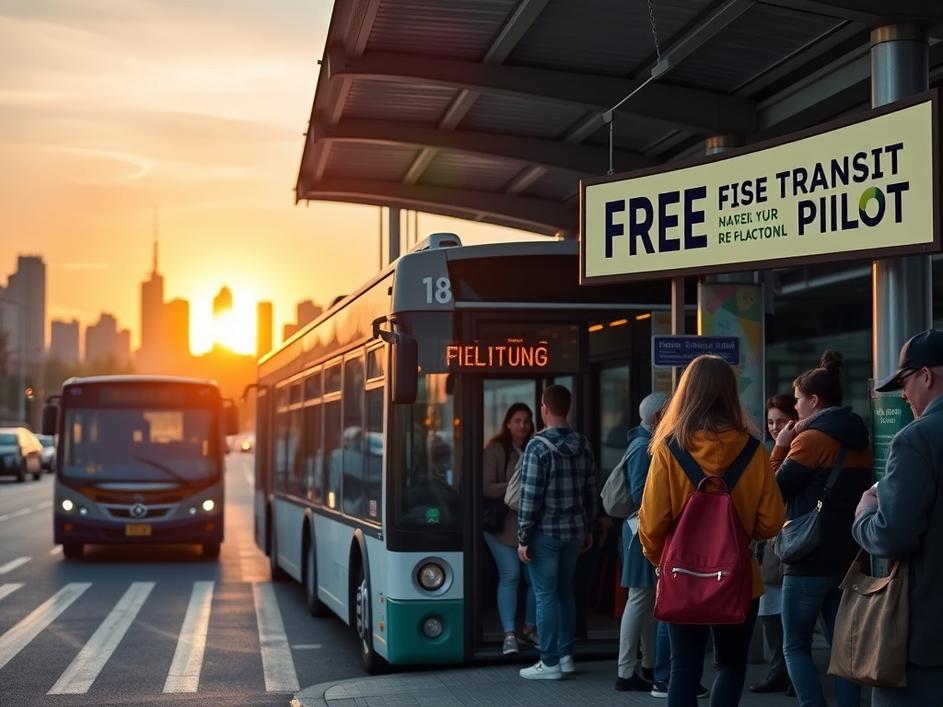
ToggleA city tests a bold idea by making transit free for six months in the downtown core and two nearby districts. The goal is simple: cut car traffic, lower pollution, and ease the morning grind. Officials say the plan is a learning chance. They want to see who rides, how often, and what the costs look like if fares vanish. People reacted in different ways. Regular riders cheered, since the fare booth is off their mind. Drivers worried about lost revenue. Local shops hoped more foot traffic would follow. The first days showed both hope and chaos, with long lines and quick moves at stops. This is the moment where policy meets real life on the street.
The early numbers are telling. Downtown ridership jumped as much as forty percent in the first two weeks, especially among workers and students. That helps ease congestion and trims some auto emissions. But the price tag climbs as well. Free fares mean less ticket money and more spending on buses, cleaning, and staff to handle crowds. City officials estimate the six month cost somewhere around ten to twelve million dollars. Some call that a smart bet if pollution falls and people keep using transit. Others worry about rough budgeting and the risk of cuts to parks, libraries, or street repairs to plug the gap. The plan is simple, yet the math is not.
The plan mostly helps those who rely on transit, especially low income workers and students. It lowers a hurdle and makes jobs reachable. But there are winners and losers. Downtown businesses may gain more customers, yet transit agencies face tighter finances. Taxpayers pick up the tab, and some people question if the city should spend on free rides when other needs are urgent. The policy nudges behavior, but it also shifts responsibility. People arrive early, others take longer routes to save a few dollars. The real test is whether free rides keep up after the pilot ends and whether habits stick without ongoing help.
This isn’t just about buses. It is a test of trust. When you remove a price barrier, streets change. More riders mean more crowds at stops, more careful driving, and more focus on safety. Transit agencies must plan for peak hours and keep service solid. Free fares are not magic; they need good routes, clean buses, reliable schedules, and a smooth payment system. The policy invites scrutiny too: did the city strike better deals with operators? Are there hidden costs in maintenance or cleaning? For other cities watching, the takeaway is simple: design policy for local needs, communicate clearly, and set guardrails to avoid drift.
I see this as a test of trust between a city and its people. Free transit is not a magic fix. It won’t solve every jam or make downtown shine overnight. But it can shift habits. If more people ride, streets feel different and there is less rush to park in front of every shop. The value lies in accessibility, not just price. When a family can ride to a doctor visit without worrying about fare, that feels like a win. I worry about the long run too. If the plan ends, will people keep the habit or fall back to cars? The city should craft a gentle wind down that preserves gains. In the end, it comes down to whether the system earns trust from riders and non riders alike.
The pilot is more than a stunt. It pushes leaders to talk about transportation as a public good, not just a revenue stream. It shows who we are as a city. If the plan sticks and costs stay reasonable, it could spark broader changes: more people choosing buses, cleaner air, and a slower pace on busy streets. If it struggles, it teaches us where policy needs better design. Either way, we learn. The road ahead will not be plain, but the idea of moving together, free from fare barriers, deserves another look. The big question stays: can a free ride be more than a moment and could it seed a culture of shared space and responsibility?



Comments are closed