

We are a digital agency helping businesses develop immersive, engaging, and user-focused web, app, and software solutions.
2310 Mira Vista Ave
Montrose, CA 91020

2500+ reviews based on client feedback
What's Included?
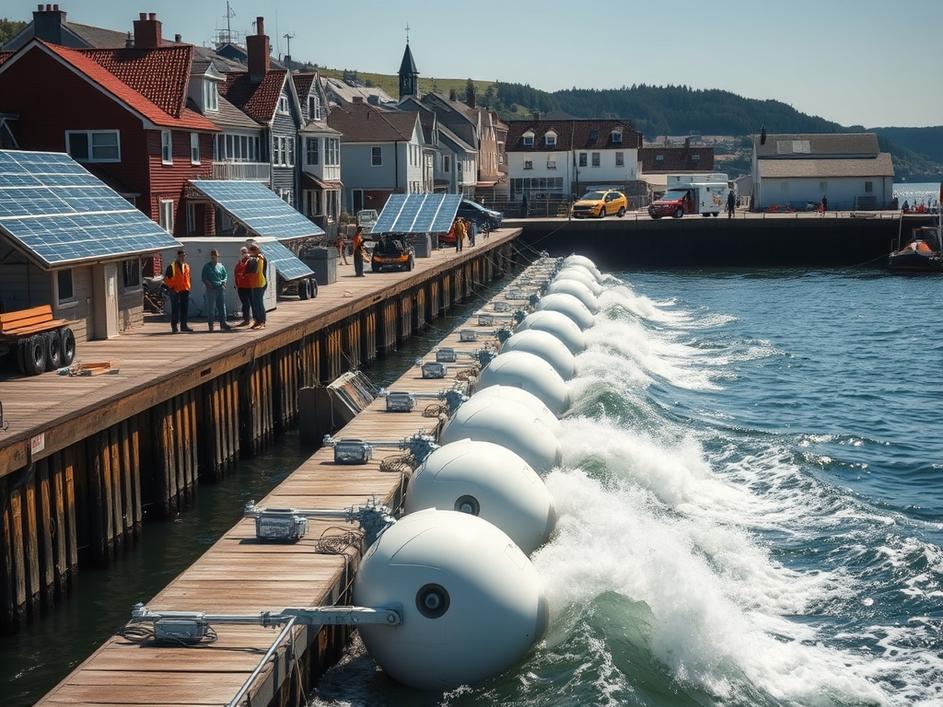
ToggleSeabrook Cove, a coastal town, quietly rolled out a new energy experiment. It pairs wave energy devices with solar panels and a bank of batteries. The aim is simple: keep critical services powered when the main grid falls apart. The project got a federal grant and local support from a cooperative and a university research team. It’s not meant to replace the whole grid, but to show a path for resilience. People in town can still get power even when storms knock out lines. The idea is to keep doctors, firefighters, and emergency crews online during tough weather. It’s a small move, but it carries a big message: communities can lead on energy when they work together. This is the kind of story you want to hear after a rough week.
When the lights go out, the town sees who depends on them. This project promises steadier bills by reducing the need to buy costly energy at peak times. It also offers local jobs, from technicians who install the gear to students who study the data. People gain a sense of control when they see their town can manage its own power. That feeling matters as much as the watts. It’s also about fairness. If a place can power its own hospital during a storm, other towns can learn from it. The project creates a learning ground for neighbors who want to copy the model in different settings. And it doesn’t rely on a big corporation to fund every square inch of the grid. It puts the community in the driver’s seat, even if the road is bumpy at first.
The system blends technologies that don’t usually sit in the same room. Wave devices generate power, solar panels soak up sun, and batteries store it for when it’s needed. A smart controller links everything and makes quick decisions. Maintenance matters. Parts can be hard to come by, and technicians need training. There are costs up front, even if long term bills look nicer. Regulations require careful testing before the system can supply critical services. Data from the grid must be watched for safety and privacy. The town is learning as it goes, using the pilot as a test case rather than a finished product. This is how real change happens: one careful step at a time, with room to adjust.
What happens here taps into a wider shift. More places want energy security without relying on a single mega-plant miles away. Microgrids and local energy loops are quietly moving into the mainstream. They fit with new policies that push for cleaner power and local ownership. The idea is not to replace every power line, but to add smarter, smaller pieces that can work together. If towns share lessons, cities, campuses, and rural areas can borrow ideas that fit their budget. This is how the energy picture can become more democratic. It’s not about glory for one big project; it’s about giving communities a real say in how they power their days.
There are limits to a pilot like this. It covers only a portion of the town and a few critical buildings. If storms grow harsher, the system must prove it can still handle the load. Costs can rise if parts fail or if there’s a need for special training. Not every neighborhood will want to invest in the same mix of tech. Equity matters too. Wealthier areas may move faster than poorer ones, leaving gaps. There’s also a risk the project becomes a marketing tool instead of a practical fix. The truth is messy: a good idea doesn’t always translate into immediate savings. Still, the town’s effort offers real lessons about experimentation, community funding, and patience.
I’m watching this with cautious optimism. It won’t fix the power system overnight, but it shows a path forward that respects budgets and people. The best part is the learning and collaboration it sparks. If more towns see a model they can adapt, we could see a wider push toward resilient, local energy. That doesn’t mean abandoning big plants, but balancing them with smaller, smarter networks. My takeaway: give pilots time to mature, ask hard questions, and support communities that choose to test new ideas. This story is not just about energy; it’s about trust, shared risk, and a belief that the public can steer the future when it acts together.


Comments are closed