

We are a digital agency helping businesses develop immersive, engaging, and user-focused web, app, and software solutions.
2310 Mira Vista Ave
Montrose, CA 91020

2500+ reviews based on client feedback
What's Included?
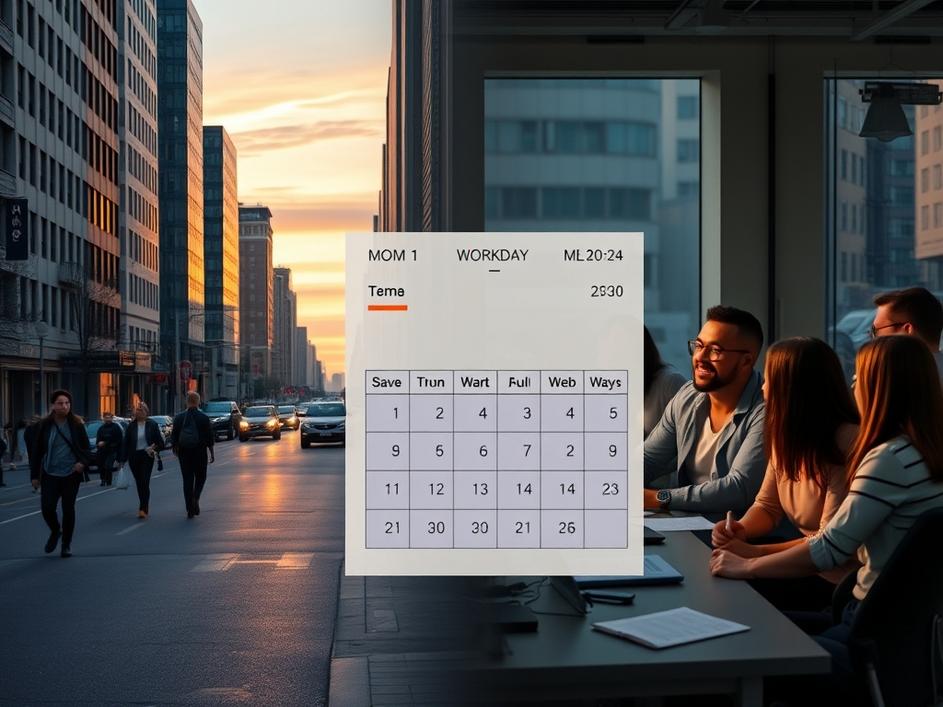
ToggleToday a city known for its busy mornings and tidy routines kicked off a six month pilot of a four day workweek. The plan is simple on the surface: do the same amount of work in fewer days by trimming meetings and cutting busy work. In the early days, signs look promising. Traffic thins on the long weekend and offices are quieter on Mondays. People report more rest and a better mood. Yet the real test is not just happiness. Public services must stay steady, schools and clinics must adapt, and bosses have to trust that less time can still mean the same output. The city is watching closely, and so are workers and bosses across the country.
This isn’t just about leisure. It matters to families who juggle work with school, to commuters who sit in long lines on Fridays and to small firms watching cash flow. A shorter week can pull the rug out from under a business that runs on predictable hours. Some nights are busier, not calmer, when people squeeze extra tasks into fewer days. But for many people, sleep is finally longer and mornings feel less rushed. Public support for the plan is growing because it is clear that money saved from less transit and fewer empty hours adds up. Still, questions linger: how do you keep customer service steady if offices close earlier? who covers shifts when someone is sick? and what about those who rely on weekend hours for extra income?
Early numbers show mixed but hopeful signs. In firms that kept the same output goals, productivity stayed about the same or rose slightly. The whole team learned to plan better and avoid meetings that waste time. In some places, a few tasks moved slower, especially things that rely on external partners. Absences dropped and morale rose, which helps with teamwork. The city hall reports lower energy use and a calmer pace in public spaces. A citywide poll indicates residents feel the change while still fearing service delays in a few areas. It is clear that a four day week is not a magic fix. It asks for discipline, good planning, and honest communication between workers and managers.
Different jobs react differently. Hospitals, fire stations and other essential services must keep coverage, so they are testing staggered shifts and rotating days. In the private sector, smaller firms face cash flow questions if they shorten weeks without reducing workloads. Some companies cut Friday hours across the board; others keep a skeleton crew and offer remote work for the day. The big lesson is the plan only works if teams align around goals, not just hours. When teams meet fewer times but with clear agendas, projects move forward. When leadership shows trust, workers respond with focus. The city also finds that support services like child care, transit options and digital tools matter as much as the work days themselves.
If the pilot proves durable, it could push many firms to rethink how they run. A shorter week is not a cure for every problem, but it could change how teams spend time. The key is to cut waste, not effort. Meetings should be shorter, decisions made faster, and work should have real deadlines. Employers should build trust and give workers autonomy while keeping customers in mind. Public policy can help with care options, flexible hours, and stable schedules. The trend also invites a broader talk about pace, burnout and fairness. If bosses learn to plan well, workers can do high quality work without dragging themselves into long weeks. That balance is harder than it sounds but worth pursuing.
I am watching this with careful interest. A four day week sounds simple, but its effects are complex. Slower pace on some days can free people up for family, learning, and rest. It can also stir anxiety about what happens if things go wrong. The real test is whether businesses and the city can keep promises: steady service, fair pay, and room to grow. If we can keep trust intact, this could steer work toward a life that fits better, not a life that fits last. The future of work is not about chasing loud trends. It is about building steady momentum toward dignity at work and time for what matters outside the office. That is my hope as this trial continues.



Comments are closed