Citywide Climate Plan Sparks Hope and Questions
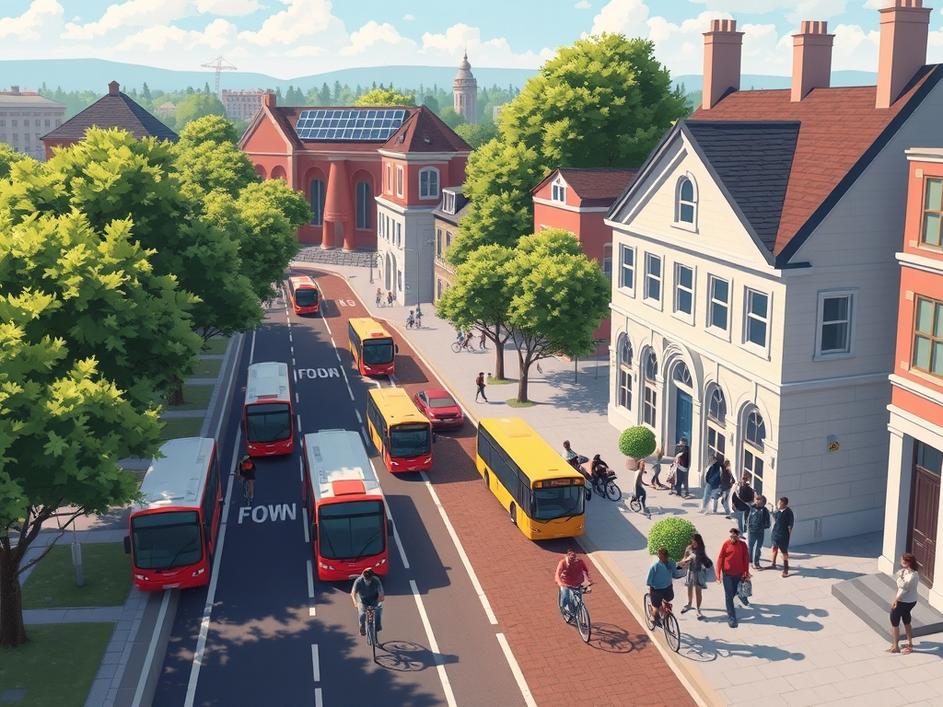
A mid-sized city rolled out a new climate plan this week. The plan lays out a clear goal: cut harmful emissions by about 40% over the next seven years and shift city life toward cleaner energy. It includes faster bus routes, more bike lanes, and rules that push buildings to be more energy efficient. The city says this isn’t a sudden shift but a continuation of talks and small steps that started years ago. People here are listening closely. They want to know what it will cost, who pays, and how soon they will see changes in their neighborhoods.
Everyday Changes on the Horizon
The plan promises small, steady changes in daily life. Expect bus networks to run more regularly and routes to cover more neighborhoods. There will be more shaded streets and safer crossings for pedestrians and cyclists. Heat waves could bring cooling centers and more public shade. Homeowners may get rebates for insulation and efficient windows. Renters and small landlords are also in the picture, with programs aimed at making upgrades affordable. The big hope is that energy bills will shrink over time as the city uses cleaner power and better building standards.
Money Talks: What It All Costs
Financing the plan relies on a mix of bonds, state funds, and local investments. The plan is long term, so it might take several years to see large returns. Short term costs are real, and the city promises clear accounting and yearly progress checks. People want to see money directed where it helps the most and not wasted in paperwork. Local businesses could ride the wave by offering retrofit services or affordable transit options for workers. The key is to keep costs predictable and to show results to the people who pay the bills.
Equity at the Core
Equity is at the heart of the plan, not an afterthought. There are funds set aside to help low-income households with upgrades and to improve public housing. Transit expansion aims to reach areas that have been left out. But doubts linger. Will renters find steady progress, or will gains come only in parts of town? Will new housing near transit reach those most in need? A citizen council is meant to watch for gaps and push for adjustments as the program moves forward. The plan recognizes that fairness takes time and constant scrutiny.
Reality Check: Pace and Practicality
Turning a big idea into real streets and buildings is hard work. Coordinating city departments, private partners, and community groups takes care and good timing. The plan will need solid data, clear milestones, and straightforward oversight. If it stalls, trust can slip away. Early wins in neighborhoods would matter a lot. The best signs will show that people feel the changes in their daily lives and that the town keeps listening when tweaks are needed. A careful pace matters as much as bold aims.
Looking Ahead: Staying Involved
This story isn’t only about numbers. It’s about how we live together as the climate shifts. The new plan asks for more thoughtful streets, jobs, and housing. If residents show up to meetings, if businesses join in, and if officials share honest progress, the plan can become real change. My sense is that speed helps, but fairness matters more. Keep an eye on costs, demand clear progress, and push for real, verifiable results. The next few years will reveal the true story behind this bold plan.






Comments are closed