

We are a digital agency helping businesses develop immersive, engaging, and user-focused web, app, and software solutions.
2310 Mira Vista Ave
Montrose, CA 91020

2500+ reviews based on client feedback
What's Included?
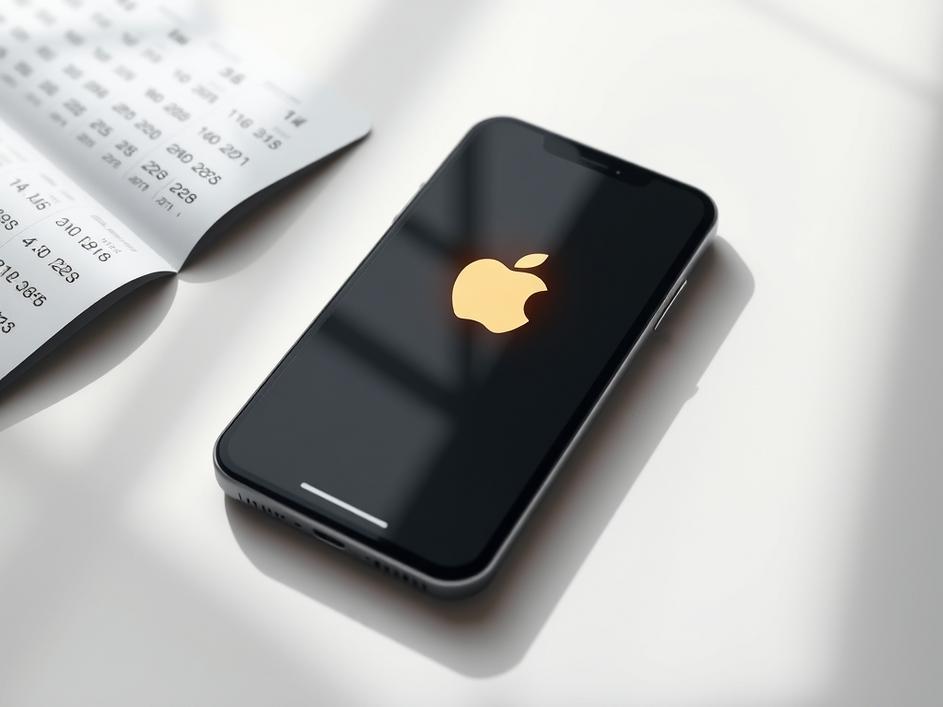
ToggleApple has decided to push the iPhone 18 launch back by six months, moving it from the usual September slot to the following March. The move feels bold because the company has rarely missed that window in recent years. Most fans expect a new iPhone every fall, and the calendar has become a kind of ritual for the whole industry. By breaking the rhythm, Apple is sending a signal that it is willing to trade short‑term buzz for something else. The decision also lands at a time when other big players are lining up their own announcements, which makes the timing even more interesting. The delay was first hinted at during the Mobile World Congress, where Apple chose not to unveil a new phone at all. Instead the company used the stage to talk about services, AI features, and a new chip architecture that will debut later in the year. That choice hints that Apple is focusing on depth rather than speed.
Every smartphone maker watches the others like a hawk. Samsung, Google, and even smaller Android brands plan their launches around the same few windows that have proven to generate the most media attention. When Apple sticks to September, it forces the rest of the pack to either rush their own releases or accept a quieter month. By moving to March, Apple opens up a less crowded space, giving the company room to tell its story without fighting for headlines. It also means that the iPhone 18 will land after the holiday shopping rush, when consumers have a bit more disposable income and are less likely to be distracted by end‑of‑year sales. In short, the new timing could help the device stand out on its own merits.
Six months is a long stretch in the world of chips and cameras. Apple’s engineers can now fine‑tune the next‑generation silicon, squeeze a bit more performance out of the same process, and iron out any thermal issues that showed up in early prototypes. The camera system, which has become a major selling point, can benefit from additional sensor testing and software calibration, leading to sharper photos in low light. On the software side, iOS updates that rely on the new hardware can be polished more thoroughly, reducing bugs that often appear in the first weeks after a launch. Supply‑chain partners also get a clearer picture of demand, which can smooth out component shortages that have plagued other brands in recent years. All of these factors add up to a product that feels more complete when it finally reaches consumers.
Fans are used to hearing rumors about the next iPhone months before it appears. A delay can feel like a broken promise, but it can also build anticipation if handled right. Apple’s brand is strong enough that many people will wait rather than switch to a competitor. By being transparent about the reasons—new chip, better camera, longer battery life—Apple can turn the delay into a narrative about quality over speed. Social media chatter may spike, but the conversation often stays focused on the upcoming features instead of turning into complaints. Moreover, a March launch aligns with the start of the spring season, when people are already thinking about upgrades for the new year. This timing can actually boost conversion rates compared with a crowded September market.
From a numbers perspective, the delay could have mixed effects. Short‑term revenue may dip because the September quarter will miss the usual iPhone boost. However, analysts have already started to factor in the higher margin that a more refined device can command. A better‑performing phone often translates into higher average selling price and fewer return cases, both of which improve the bottom line. Investors who focus on long‑term growth may see the move as a sign that Apple is not willing to sacrifice product excellence for a quick quarterly win. Historically, Apple’s stock has weathered similar timing shifts without major fallout, especially when the end product lives up to expectations. In that sense, the delay could actually reinforce confidence among shareholders.
Putting the iPhone 18 on hold for six months is not a gamble without reason. It gives Apple a clearer launch window, more time to perfect the hardware and software, and a chance to avoid the noisy September scramble. Consumers who trust the brand are likely to wait, and the market may respond positively to a device that feels more polished. While the short‑term financial picture might look a little tighter, the long‑term payoff could be a stronger product line and a healthier brand reputation. In the end, the delay seems less like a setback and more like a strategic pause that lets Apple keep its edge in a crowded field.
Comments are closed