

We are a digital agency helping businesses develop immersive, engaging, and user-focused web, app, and software solutions.
2310 Mira Vista Ave
Montrose, CA 91020

2500+ reviews based on client feedback
What's Included?
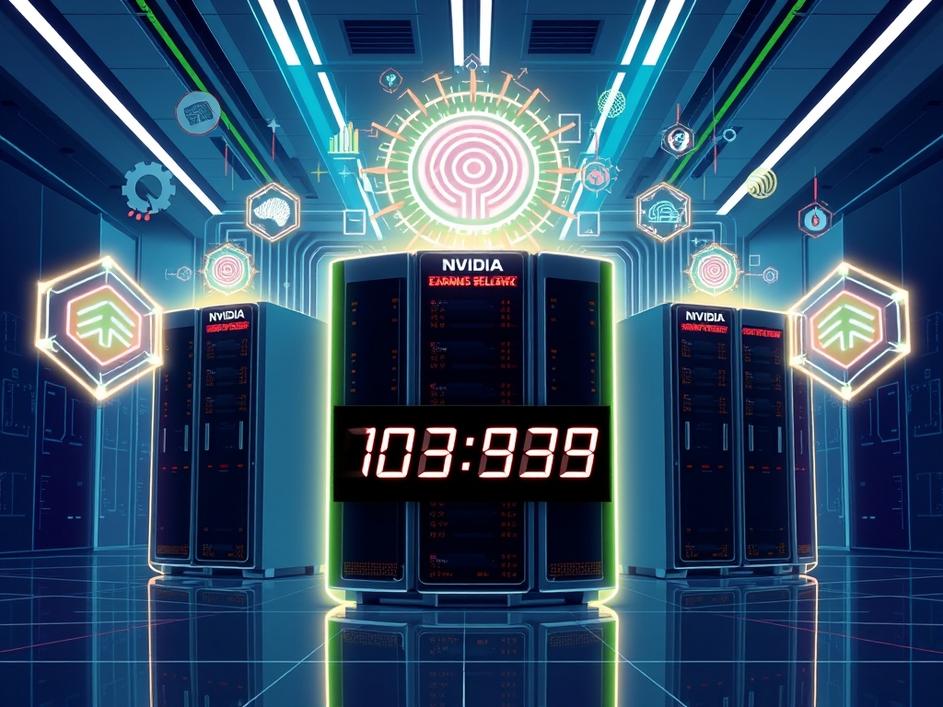
ToggleIn a few short hours Nvidia will release its quarterly earnings. That moment always draws a lot of attention. The company sits at the center of the AI boom, and its results often set the tone for the whole tech sector. Investors, analysts, and even casual fans tune in because the numbers can signal where the industry is headed. A strong report can lift market confidence, while a miss can cause a ripple of caution. It’s not just about the bottom line; it’s about how Nvidia’s performance reflects broader trends in chips, cloud services, and emerging AI applications. So the upcoming call is more than a routine update – it’s a glimpse into the health of a market that many other players depend on.
Nvidia’s own guidance points to fiscal first‑quarter revenue around $78 billion, give or take two percent. That range is a big jump from the same period last year, and it shows the company expects demand to stay robust. The guidance also hints at continued growth in the data‑center segment, which has been the engine of recent gains. If the actual numbers land close to that forecast, it will reinforce the narrative that AI‑related workloads are still expanding fast. On the other hand, missing the target could raise questions about whether the market is cooling or if supply constraints are starting to bite.
The biggest driver behind Nvidia’s outlook is the relentless appetite for AI processing power. Companies across industries are buying more GPUs to train large language models, run inference, and support analytics. This has turned the data‑center business into a cash‑cow for Nvidia. But the space is getting crowded. Rivals like AMD and Intel are pushing their own AI‑focused products, and new entrants are experimenting with custom silicon. Still, Nvidia’s architecture and software stack give it a strong foothold. Watching how the company balances pricing, performance, and supply will be key to understanding whether it can keep its edge as the market matures.
When Nvidia reports, the reaction in the stock market is almost always swift. Traders look at revenue, profit margins, and especially the outlook for the next quarter. A beat on earnings often triggers a rally, while a miss can send the stock tumbling. Beyond the raw numbers, investors also listen for tone in the earnings call – are executives cautious or confident? The broader market mood matters too. If the tech sector is already jittery, even a solid report might not lift the stock as much as expected. Conversely, a strong beat could buoy not just Nvidia but also other chip makers and AI‑related firms.
Even with a bright outlook, there are several risks that could derail Nvidia’s plans. Supply chain hiccups remain a real concern; any shortage of key components could slow production. Pricing pressure is another factor – as competitors improve, Nvidia may need to adjust its pricing to stay attractive, which could squeeze margins. Regulatory scrutiny is also growing, especially around AI ethics and export controls. If governments tighten rules on high‑performance chips, Nvidia could see its market narrowed. Keeping an eye on these variables will help investors gauge how resilient the company really is.
When the earnings numbers finally drop, the real work begins. Look for how close the revenue comes to the $78 billion target and whether profit margins hold up. Pay attention to the commentary on future AI demand – are customers still scaling up, or are they becoming more selective? Also note any hints about new product launches or roadmap changes. Finally, watch the stock’s reaction in the minutes and days after the release. That will tell you how the market digests the information. In short, the earnings call is a checkpoint, but the story will continue to unfold as Nvidia navigates growth, competition, and the ever‑changing tech landscape.
Source: Original Article


Comments are closed