

We are a digital agency helping businesses develop immersive, engaging, and user-focused web, app, and software solutions.
2310 Mira Vista Ave
Montrose, CA 91020

2500+ reviews based on client feedback
What's Included?
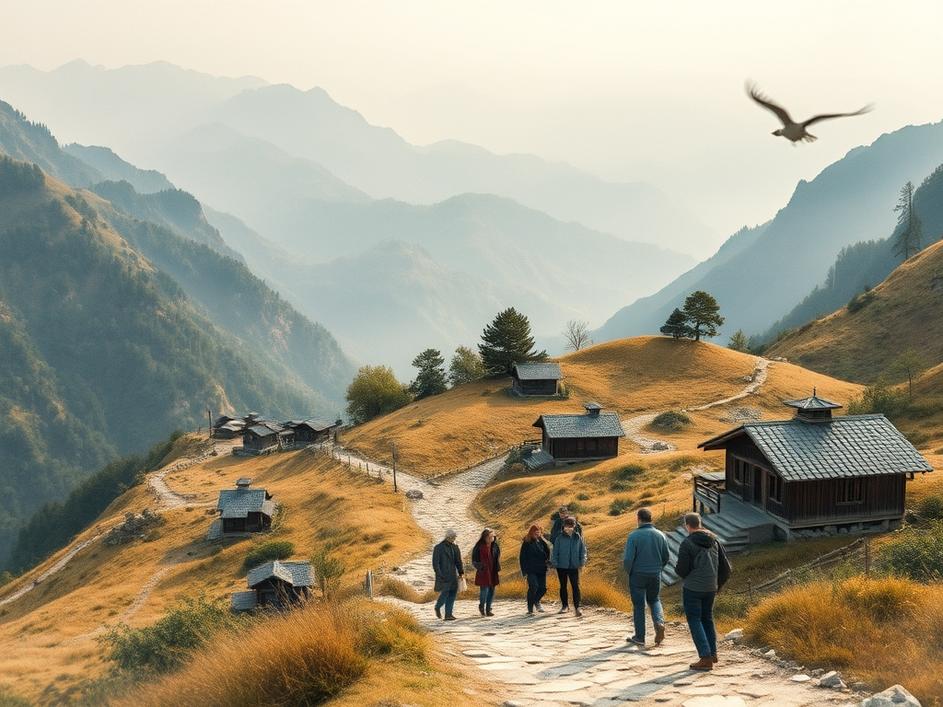
ToggleAnshun is starting a new chapter in mountain tourism. Mafengwo Travel Group teams up with the local bureau to show a different way to explore tall landscapes. This isn’t about pushing a single product. It’s about guiding visitors to slow, thoughtful journeys that respect the land and the people who live here. The plan wants to blend online ideas with offline realities. It aims to reveal how a small city can balance nature, culture, and commerce without losing its soul. The tone is hopeful but practical: better routes, smarter crowds, and stories that matter. The changes are visible on the ground and in the plans behind the scenes. The question now is how this hybrid approach will shape future visits to the mountains near Anshun.
The phrase from the launch hints at experiences that feel deep but leave no heavy mark. Think trails that avoid fragile habitats, viewpoints that don’t clog the path, and gear that minimizes waste. It’s about making the mountain feel close, not crowded. Digital guides, offline maps, and local voices help travelers connect with places they might miss otherwise. The payoff is a stronger sense of place, where the climb ends with a clear memory rather than a souvenir bought from a stand. The goal is simple: let visitors feel the height, keep it clean, and return with stories that are real rather than scripted.
People travel for different reasons, and this plan tries to listen. The teams want to tailor trips by interests and seasons. Some paths focus on birds and forests, others on tea culture or traditional crafts. By asking a few questions, they can suggest routes that avoid the busiest times. It’s not about forcing a preset package; it’s about offering options and letting guests decide what feels right. When itineraries click with a traveler, waits shrink, safety improves, and the experience becomes more memorable. The approach shows how a big platform can work with local terrain to shape meaningful moments.
The mountain play puts residents at the center. Guides, farmers, shopkeepers, and innkeepers join the storytelling. When visitors meet people who live in the hills, the trip becomes a conversation about daily life, weather, and history. This approach can help small businesses stay afloat and keep traditions alive. It also gives travelers a stronger sense of place and responsibility. Authentic encounters beat generic souvenirs every time. The model invites locals to own part of the experience, and that ownership often leads to better care for the environment and trails.
Any big push brings questions. Will crowds grow too fast and damage delicate corners? Can the town balance growth with stewardship? The organizers talk about careful planning, clear rules, and ongoing feedback from visitors. They promise to monitor environmental impact, adjust routes, and keep the human touch intact. The real test is whether the mountains can deliver fresh joys without losing their quiet spaces. If the system works, it will feel more like a friendship between visitor and place than a quick stop on a checklist.
If Anshun proves it can mix tech, culture, ecology, and a personal touch, other places may try the same path. Mountain towns could move away from mass trips toward smarter, kinder visits. The shift won’t happen overnight, but it could spread as travelers demand responsible experiences. For Mafengwo, this is a chance to show it can guide real places toward better futures. For the hills, it could be a way to keep trails open and meaningful for generations to come. In the end, the effort is not just about tourism; it is a test of how we relate to nature, communities, and the stories that bind them.



Comments are closed