Two budget EVs, one real-world test
Two popular electric crossovers sit at the forefront of value in 2026. The entry level Tesla Model Y and the 2027 Chevy Bolt both promise practical electric transport without breaking the bank. I spent a week with each to see how far the software and driver assist tech takes you in daily life. The aim was simple yet real: can you live with one of these on a regular basis, and does the added AI helper actually improve daily driving without turning ownership into a full time software project?
What you get for the price
Price is part of the story, but so is space, comfort, and how the car feels when you sit down. The Tesla typically lands in a higher entry price bracket but brings a roomy cabin, strong performance, and a bold software package. The Bolt aims at a lower price point and sticks to a straightforward interior, decent space, and familiar controls. In practice, both cars cover most daily trips easily, and both are capable highway cruisers with ample regenerative braking to adapt to your driving style.
Driver assist on a budget
Driver aids are where the two approach different goals. Tesla sells a robust Autopilot option with adaptive cruise, lane keeping, and occasional hands-off driving perks when you enable more software. The Bolt relies on GM style hands free or assisted driving features that are practical and easy to use but more limited in scope. In both cars you should stay attentive, but the Tesla feels more like a moving software platform, while the Chevy feels like a well integrated set of safety helpers.
Real-world usability and quirks
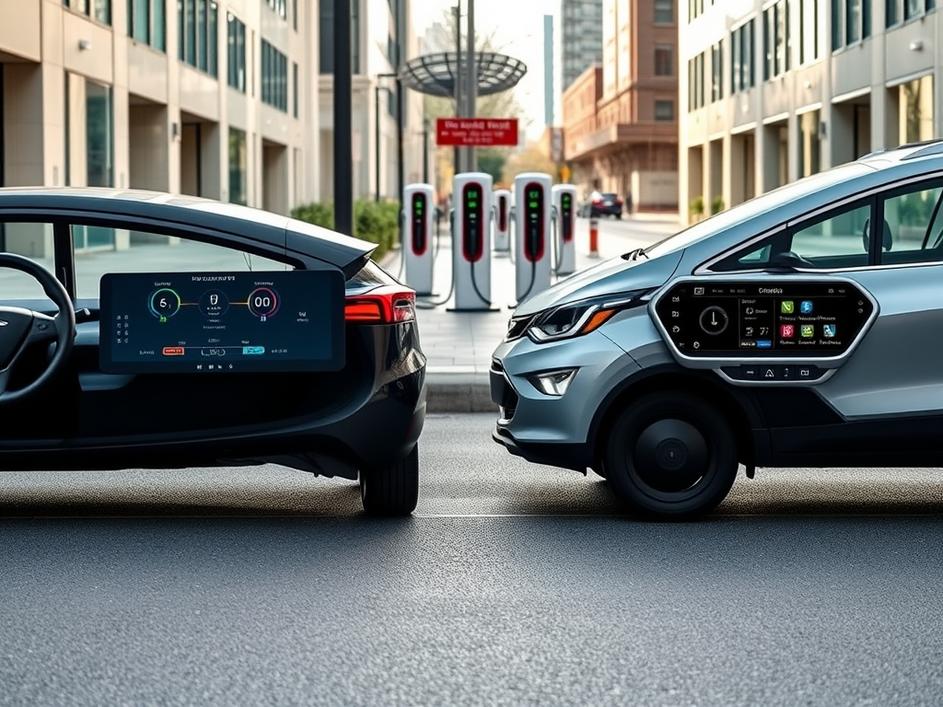
In the cabin, the Tesla leans on a big touchscreen and minimal physical controls. It can feel futuristic, and you learn the layout after a few days. The Bolt uses a more conventional setup with CarPlay and Android Auto and a tactile feel many people trust. Voice control works in both, but the Tesla software tends to push OTA updates that quietly change the car over time, while GM tends to push solid, predictable improvements at a slower pace. Comfort is decent in both, with the Tesla offering a stiffer ride on rough pavement and the Bolt delivering a smoother, more traditional feel on less polished roads.
Charging, range, and ownership costs
Charging is another big factor to weigh. The Model Y taps into a broad fast-charging network and can cover longer trips with fewer stops, though you will pay for the privilege. The Bolt uses CCS charging and plays nicely with many public networks and home charging. It is usually cheaper to buy and operate, but longer trips mean more time at the charger. Battery health and warranty terms matter in the long run, and both brands back their cars with software updates and support, albeit through different business models and service networks.
Bottom line from a real-world tester
If your goal is a strong software experience that nudges you toward more autonomous style driving, the Tesla feels like the better pick, even if the price is higher. If you want a budget-friendly path to electric driving with solid driver assists and less flake, the Bolt is compelling. My take is to map out your daily needs first: how far you drive, how you charge, and whether you value a slick operating system or straightforward simplicity. In the end, driver assist on a budget is about balancing cost with what you actually use every day, not chasing every new feature on the screen.





Comments are closed