

We are a digital agency helping businesses develop immersive, engaging, and user-focused web, app, and software solutions.
2310 Mira Vista Ave
Montrose, CA 91020

2500+ reviews based on client feedback
What's Included?
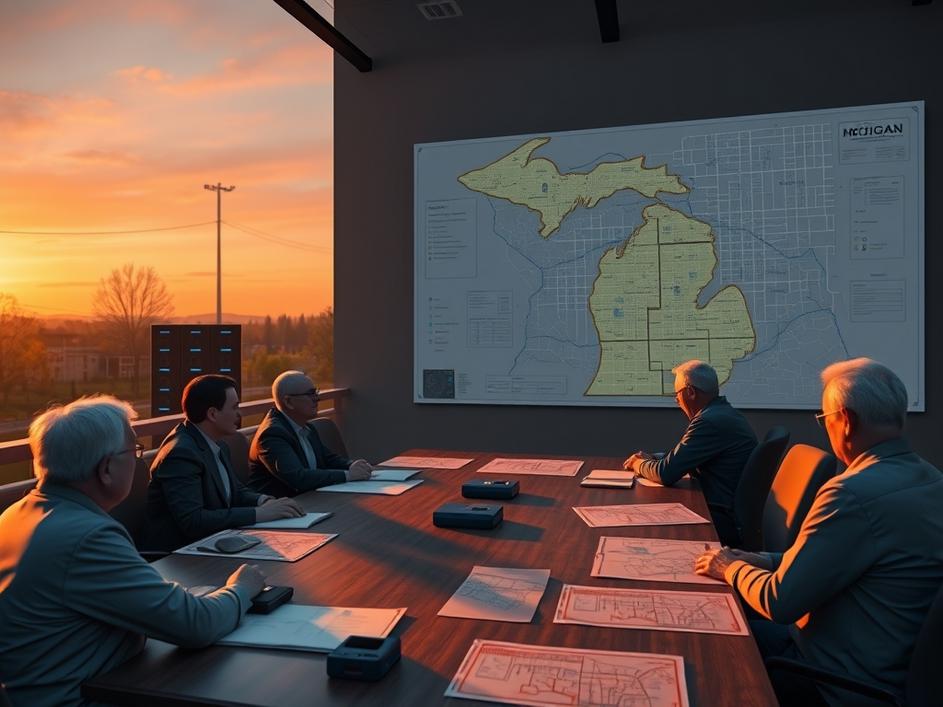
ToggleAcross Michigan, a wave of temporary holds on new data center projects has grown. Town leaders have paused permit reviews as they lay out rules for siting, height, traffic, and power needs. The zone of uncertainty stretches across many counties, roughly the size of Rhode Island in area, and it has the attention of residents who feel both curiosity and caution. Proponents say data centers bring steady jobs and steady tax revenue; opponents worry about strain on roads, schools, and the local water supply. This pause isn’t a full ban. It’s a chance to slow down the process, gather facts, and craft standards that match a community’s values. In the meantime, developers adjust schedules, and local councils weigh how much change their towns can absorb at once.
Officials say the move is about planning, not stopping growth. They want to align zoning codes, environmental reviews, and utility planning so projects don’t slip through with weak guardrails. The pause is intended to be temporary, giving towns time to draft clear rules on where data centers can go, how tall they can be, what noise is acceptable, and what energy sources are allowed. Some towns also want to study traffic impacts and emergency access. The goal is predictability for developers and neighbors alike. If rules are set before projects come forward, the process should be faster in the long run. If not, a patchwork of rules may create bigger headaches later.
Data centers are energy beasts. They need power for cooling and servers, often from the grid or dedicated contracts with utilities. In many towns, that means new demand on the local system and questions about peak timing. Water use for cooling is another worry, especially in dry seasons. Officials want to know how much water might be drawn, and whether it can be reused or reduced. There’s talk of pairing centers with renewable power or on-site generation, but it adds costs and must align with local planning. Proponents say efficiency tech and modern designs can limit waste. Critics insist that even well-run facilities shift costs, from trench repair after construction to a heavier load on streets and fire services. The conversation will hinge on the details of each site.
For towns, data centers can bring big payrolls and more property tax. They also promise long-term investment in infrastructure and data jobs that stay put. Yet the benefits are not guaranteed to show up evenly. Some projects may sit on outlying land, changing traffic patterns and raising noise and light levels. Construction booms bring hiring, but the operation phase might not hire many locals. Small towns could see a burst of activity followed by quiet years if a project moves on. The risk is a patchy economic pattern, where a few big sites make the tax base jumpy and the costs of maintaining roads and services rise without broad local gains. A careful balancing act is needed to avoid trading one set of problems for another.
Ultimately, the best outcomes often come from regional planning. When neighboring towns coordinate siting rules, road access, and utility connections, the entire area can benefit without overburdening anyone. A state role in providing guidance and shared standards could help reduce incentives to race to the first permit. But local control matters too. Communities know their neighborhoods, schools, and water sources better than anyone else. The current pause could become a catalyst for collaboration, or it could stall improvements if towns retreat into individual agendas. The path forward will depend on honest negotiation, clear metrics, and a willingness to revise rules as real-world data comes in.
I see this pause as a chance to write smarter rules, not a signal that growth is unwelcome. The tech sector will push for speed, but communities have a duty to protect essential services and the character of their towns. The key is transparency: publish impact assessments, invite public comment, and set measurable standards for energy use, water, traffic, and safety. A thoughtful plan should include timelines, sunset clauses, and a mechanism to revisit rules as technology and needs evolve. If Michigan towns use this moment to build robust guidelines, they can invite data centers on terms that fit their priorities—jobs without grid strain, development with clear accountability, and growth that serves the broader public good.


Comments are closed