

We are a digital agency helping businesses develop immersive, engaging, and user-focused web, app, and software solutions.
2310 Mira Vista Ave
Montrose, CA 91020

2500+ reviews based on client feedback
What's Included?
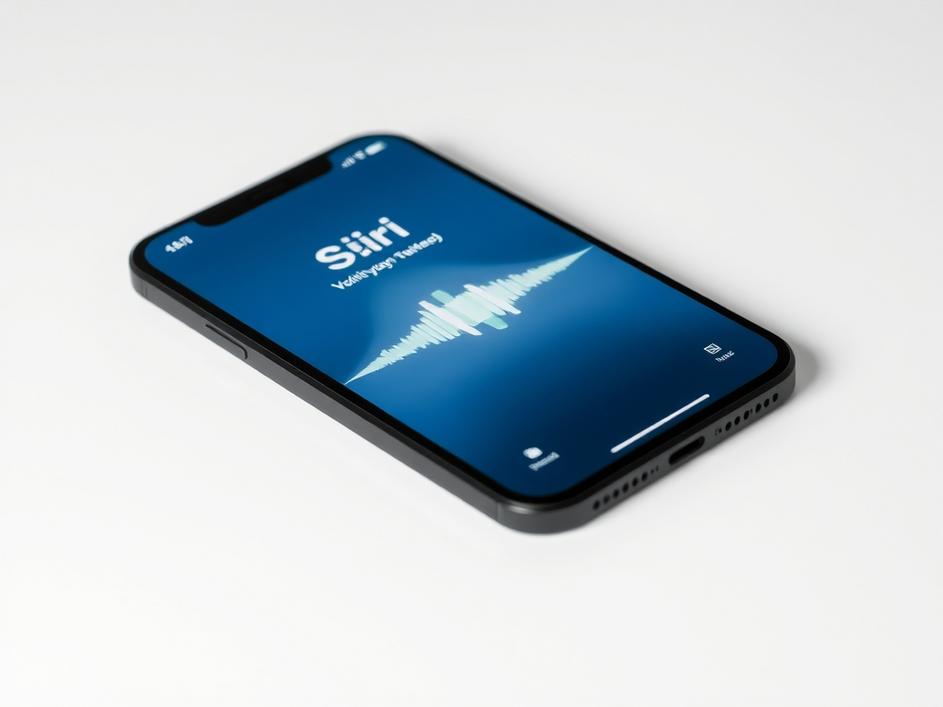
ToggleApple just rolled out the next big upgrade for Siri, and it feels like a different animal. The new AI‑driven assistant, bundled with iOS 27, can pull up web results, sift through your messages, and even glance at photos to answer questions. It’s a clear answer to the growing pressure from services like Google Gemini, which have been touting their own conversational chops for a while now. What’s interesting is that Apple isn’t just adding a chatbot on top of the old voice command system – it’s rebuilding the core with large‑language‑model tech while keeping the familiar “Hey Siri” wake word. In this post I’ll walk through the three big pillars that matter most to everyday users: speed, privacy, and usefulness, and see how the new Siri measures up against Gemini’s strengths and weaknesses.
One of the first things you notice when you ask Siri a question is how quickly it replies. Apple has been pushing more processing onto the phone itself, using the Neural Engine in the latest A‑series chips. That means many queries are answered locally, cutting down the round‑trip to a server. In tests, simple requests like “What’s the weather tomorrow?” or “Set a timer for 10 minutes” feel almost instantaneous – often faster than Google’s cloud‑dependent Gemini, which still needs to ping its data centers for most answers. However, when the query gets more complex – say, “Find a recipe that uses the chicken in this photo and fits a low‑carb diet” – Siri hands off to Apple’s servers, and the response time widens. Overall, the hybrid approach gives Siri a noticeable edge in everyday speed, while Gemini shines on heavyweight tasks that benefit from massive server‑side compute.
Privacy is the word that pops up every time Apple talks about Siri. By keeping a larger chunk of the AI work on the device, Apple reduces the amount of personal data that ever leaves your phone. Your messages, contacts, and photo metadata stay encrypted and are processed in a sandbox that Apple can’t read. Gemini, on the other hand, relies heavily on Google’s cloud infrastructure, which means more data is streamed out for analysis. Google does offer robust privacy controls, but the default model is still more data‑centric than Apple’s. For users who are wary of their personal information being stored somewhere else, the new Siri feels safer. That said, Apple’s on‑device models are still limited by the hardware’s capacity, so some nuanced queries still get sent to the cloud, where Apple’s privacy policies still apply.
The biggest question is whether the new Siri can do anything that matters in daily life. The answer is a cautious yes. Siri can now pull up web snippets without you opening Safari, summarize a long email thread, and even recognize objects in a photo to answer “Where was this taken?” or “Who is this person?” It also integrates with third‑party apps via the new SiriKit extensions, letting you ask it to add items to a Todoist list or start a ride with Lyft. Gemini, meanwhile, excels at open‑ended conversation and creative writing, but it doesn’t have the same tight OS integration. If you need a hands‑free assistant that can control your iPhone’s native functions and respect your ecosystem, Siri’s new capabilities feel more practical. If you’re after a chat partner that can draft essays or brainstorm ideas, Gemini still has the upper hand.
I spent a week using an iPhone 16 Pro with iOS 27 as my primary device, deliberately avoiding Google’s apps to see how Siri held up. For quick tasks – setting reminders, checking flight status, or finding a nearby coffee shop – Siri was snappy and rarely needed a follow‑up. When I asked it to “Show me pictures from my trip to Kyoto where I was in front of a temple,” it pulled the right images from my library within seconds, something Gemini would struggle with unless I fed it the photos first. On the flip side, trying to get Siri to generate a short story or rewrite a paragraph felt clunky; the output was accurate but not as fluent as Gemini’s prose. The trade‑off is clear: Siri is now a solid personal assistant for everyday iPhone chores, while Gemini remains the go‑to for creative, text‑heavy tasks.
Apple’s Siri update shows that the company is finally taking the AI conversation seriously, but it does so on its own terms. By blending on‑device speed with selective cloud power, it delivers a faster, more private experience than many expect. The utility improvements make Siri a genuinely helpful tool for iPhone users, even if it can’t yet match Gemini’s breadth in free‑form dialogue. For most people who live inside the Apple ecosystem, the new Siri feels like a worthwhile upgrade – it’s faster, respects your data, and can actually do things that matter without opening another app. If you need a creative writing buddy, you’ll still look elsewhere, but for day‑to‑day assistance, Siri’s latest iteration is a solid step forward.
Source: Original Article


Comments are closed