

We are a digital agency helping businesses develop immersive, engaging, and user-focused web, app, and software solutions.
2310 Mira Vista Ave
Montrose, CA 91020

2500+ reviews based on client feedback
What's Included?
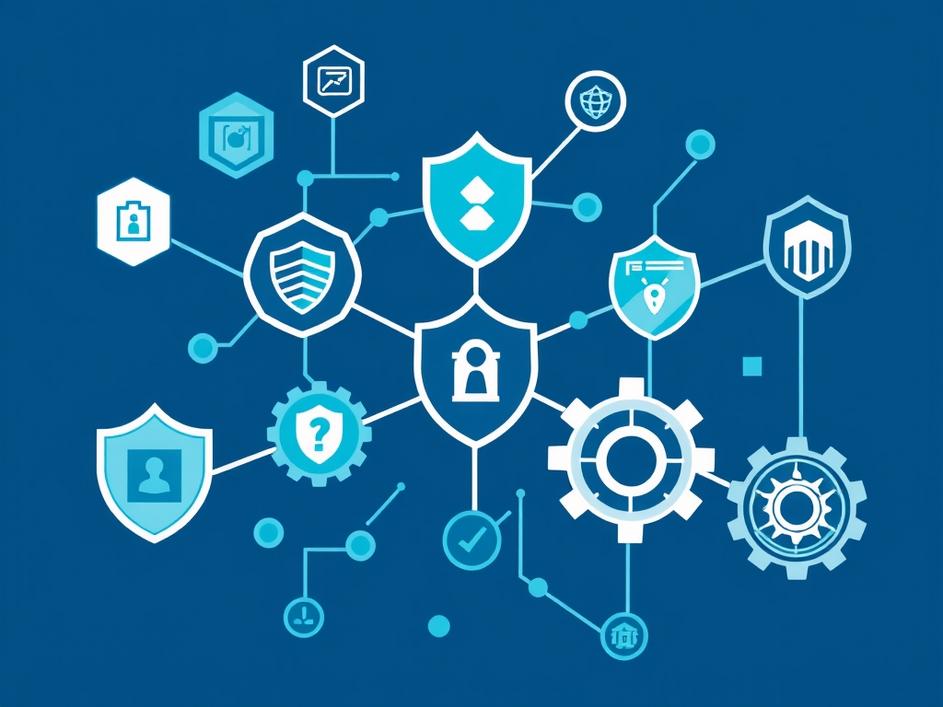
ToggleWhen a security-focused coalition in open source adds a big player like LTM, it sends a clear signal. AI workloads rely on lots of open software, and the security of that software is only as strong as its weakest link. Athena, a Chainguard-led effort, is not about one company showing off a product. It’s about teams sharing tooling, setting common standards, and nudging the ecosystem toward safer habits. LTM’s entry isn’t a marketing move; it’s a practical step toward aligning incentives across vendors, maintainers, and users. The big questions now are how governance will work, what concrete projects will get funded, and how quickly the coalition can translate talk into tests, audits, and reusable templates for developers.
The coalition is a mix of who builds, ships, and uses software. Chainguard brings the security angle and a focus on secure supply chains. LTM brings experience in product security and collaboration with open source communities. Other members typically include cloud providers, open source maintainers, and security tool vendors. The point is to break silos that slow progress. By sharing threat models, tooling, and best practices, participants hope to reduce friction for developers who want to keep pace with AI workloads without sacrificing safety. Expect working groups around software bill of materials, reproducible builds, vulnerability disclosures, and governance practices that are easier to adopt than old, bespoke fixes.
AI systems pull from a web of open source components. A model wrapper might depend on libraries, data tooling, training pipelines, and runtime platforms. Each link adds risk. A rogue dependency, a compromised container, or a slipped patch can ripple through an entire AI stack. The bigger idea is that speed in AI development often clashes with security habits that slow teams down. A coalition like Athena can help balance that tension by offering clear guidelines, tested tooling, and a common language for risk. It’s not about policing every line of code, but about making it easier for teams to spot dangerous patterns and fix them fast.
We can expect a push toward better transparency and repeatable processes. SBOMs (software bills of materials) become standard references, not afterthoughts. Secure build pipelines and reproducible builds help ensure what ships is what was tested. Coordinated vulnerability disclosures reduce surprise and speed up fixes. Governance norms can help open source projects scale security without breaking momentum. Training and tooling support will be handed to maintainers so they don’t bear the burden alone. If the coalition stays practical, we’ll see more open source projects addressing security early, not as a last step before release.
From what we can see, LTM’s role is to bring practical security discipline into the mix. That means risk assessment, incident response readiness, and a mindset that security is part of product decisions, not a checkbox. LTM can help translate broad guidelines into concrete developer tools, checklists, and guardrails. Their experience with real-world deployments should help the group design processes that scale with code bases of AI projects. In short, LTM can connect strategic aims with on-the-ground reality, making it easier for open source teams to meet higher security expectations without slowing down their work.
For developers and maintainers, the news translates into a steadier path to safer software. Expect more emphasis on traceability, clearer security expectations from project sponsors, and better platforms for reporting issues. It may feel like extra work at first, but the payoff is cleaner releases and fewer dreaded surprises. Organizations that participate will need to commit resources to tooling, training, and coordinated response. The hope is that security becomes a shared habit rather than a special project. If all sides lean in, we could see faster adoption of safer patterns across AI pipelines and a more resilient OSS ecosystem.
In the end, coalitions like Athena won’t single-handedly fix every problem. But they do push the industry toward a safer, more predictable approach to open source in an AI world. The real win is turning high-level talk into everyday practice: better tooling, clearer guidance, and support for maintainers who keep the software flowing. If the ecosystem keeps that rhythm, developers can build with more confidence, users can trust what they run, and AI systems can grow safer with the code they rely on. It’s not perfect, but it’s a practical path forward.



Comments are closed