

We are a digital agency helping businesses develop immersive, engaging, and user-focused web, app, and software solutions.
2310 Mira Vista Ave
Montrose, CA 91020

2500+ reviews based on client feedback
What's Included?
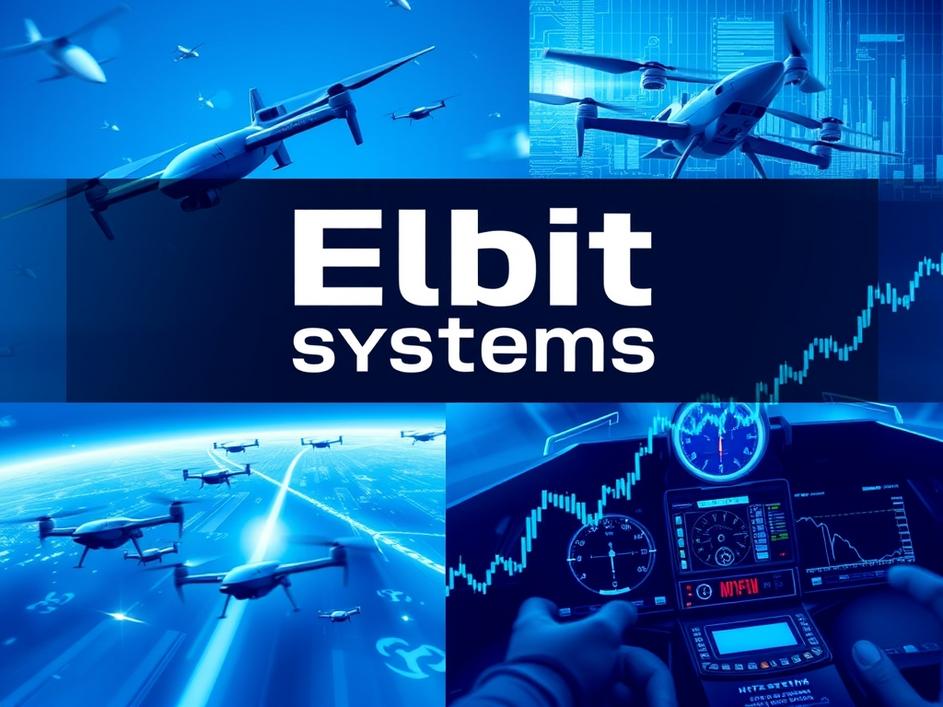
ToggleElbit Systems isn’t a one-trick tech shop. It operates across air, land, and cyber, weaving advanced electronics, unmanned systems, and C4ISR networks into a single, flowing defense ecosystem. That breadth matters in a world where defense budgets are more robust than ever and procurement cycles favor suppliers who can deliver integrated solutions rather than point products. ESLT’s appeal, then, isn’t just a single product; it’s a portfolio of capabilities that can scale with customers’ modernization programs. The company’s ability to convert fancy R&D into durable revenue streams—through long-term service, upgrades, and recurring support—gives it a steadier growth rhythm than many peers. In short, ESLT represents a growth thesis built on broad tech reach and durable customer relationships rather than one breakout product line.
The core of ESLT’s growth story rests on its order book and the breadth of its geographic footprint. The company markets unmanned systems like Hermes and other ISR and EW solutions to customers around the world, supported by a suite of electronics, avionics, and cyber offerings. A healthy backlog implies that the revenue engine has visibility beyond a few quarters, which is comforting in a sector known for lumpy defense deals. Add in a diversified revenue stream—systems for air, land, and sea, plus the services and upgrade work that keep platforms current—and ESLT looks less exposed to a single country or program. Its global footprint also helps navigate export controls and multi-year budget cycles, a practical edge in a market where subsidies and offsets can swing deals across regions.
For growth investors, ESLT might look priced to reflect a favorable long-term arc rather than a quick pop. The stock carries leaner exposure to consumer cycles and heavier ties to defense budgets, which can be both a stabilizer and a risk. What matters is the company’s ability to sustain R&D investment while translating it into scalable products and predictable services revenue. If ESLT can keep its total addressable market expanding—via US and European programs, as well as emerging markets—the higher multiples associated with growth tech in defense could stay justified. The key question is whether the company can maintain healthy margins as it scales, manage supply chains, and defend its competitive position against other large defense integrators. A disciplined focus on efficient execution and selective, strategic partnerships will help keep the growth narrative credible over time.
Like any defense stock, ESLT comes with noteworthy caveats. The sector’s big lever is government spending, which can swing with political tides and broader macro conditions. Export controls and regulatory changes add another layer of uncertainty, especially for a company with a global sales footprint. Competition isn’t just from traditional defense primes; smaller, more agile players focused on niche capabilities can steal share through rapid innovation. Currency volatility can dent international revenue and margins. And while ESLT’s diversified product mix lowers risk, it also means execution pressure across multiple product lines. Finally, geopolitical risk remains a reality in Israel and the surrounding region, which can influence investor sentiment even if it doesn’t derail long-term contracts.
If you’re hunting for a defense tech story that isn’t tied to a single gun barrel, ESLT offers a compelling alternative. Its strength lies in integrated systems—combining sensors, data links, command-and-control, and warfare tech into cohesive solutions. That approach tends to yield longer-term contracts and more recurring revenue through maintenance, upgrades, and training. The company’s exposure to multiple regions also adds a cushion against a slowdown in any one market. Add potential growth vectors like enhancements in ISR, cyber resilience, and more capable unmanned platforms, and ESLT becomes a stock with a relatively steady growth cadence rather than a volatile speculative bet. Still, this is a capital-intensive sector with sensitivity to policy changes, so the upside is best approached with patience and a clear tolerance for risk.
The practical path for ESLT investors involves watching for contract wins, especially multi-year programs that can lift revenue visibility. Look for signs of international expansion, partnerships that broaden the product ecosystem, and progress in new domains like space-enabled ISR or AI-assisted C2 capabilities. Cash flow generation and margin discipline will matter as the company grows, not just top-line expansion. For those building a portfolio, consider ESLT as a growth satellite rather than a core, balancing it with other assets to temper risk. Keep expectations anchored to long cycles, maintain a healthy watchlist for new contracts, and stay mindful of the macro tailwinds behind defense spending. The stock isn’t a quick flip; it’s a bet on sustained modernization across multiple defense ecosystems.



Comments are closed