

We are a digital agency helping businesses develop immersive, engaging, and user-focused web, app, and software solutions.
2310 Mira Vista Ave
Montrose, CA 91020

2500+ reviews based on client feedback
What's Included?
ToggleThe rumor mill is buzzing again, and this time it’s about iQOO. A tip from Digital Chat Station suggests the Chinese performance‑focused brand is sketching a compact gaming tablet that could hit shelves within months. If true, it would be a bold move for a company that has mostly built smartphones aimed at speed lovers. A tablet that promises high frame rates, low latency, and a size that fits comfortably on a lap could fill a niche that’s been waiting for a fresh challenger. Let’s unpack what this could mean.
Gaming tablets have been around for a while, but most of them feel like oversized phones or watered‑down consoles. The Nintendo Switch, for example, set a high bar for portable play, while Android tablets often struggle with throttling and mediocre screens. In the past few years, brands like ASUS ROG and Lenovo Legion have tried to bring PC‑grade power to a handheld form, yet they usually end up bulky and pricey. iQOO’s entry could shake the status quo by aiming for a smaller footprint without sacrificing the horsepower gamers crave.
iQOO made its name by pushing the limits of mobile processors. Their phones regularly debut with the latest Snapdragon chips, fast charging, and gaming‑centric software tweaks. That DNA could translate well into a tablet, especially if they reuse a proven chipset and pair it with a custom cooling solution. The company’s reputation for aggressive pricing also suggests they might try to undercut the current premium tablets while still delivering a smooth experience. In other words, they could give gamers a fast, affordable alternative.
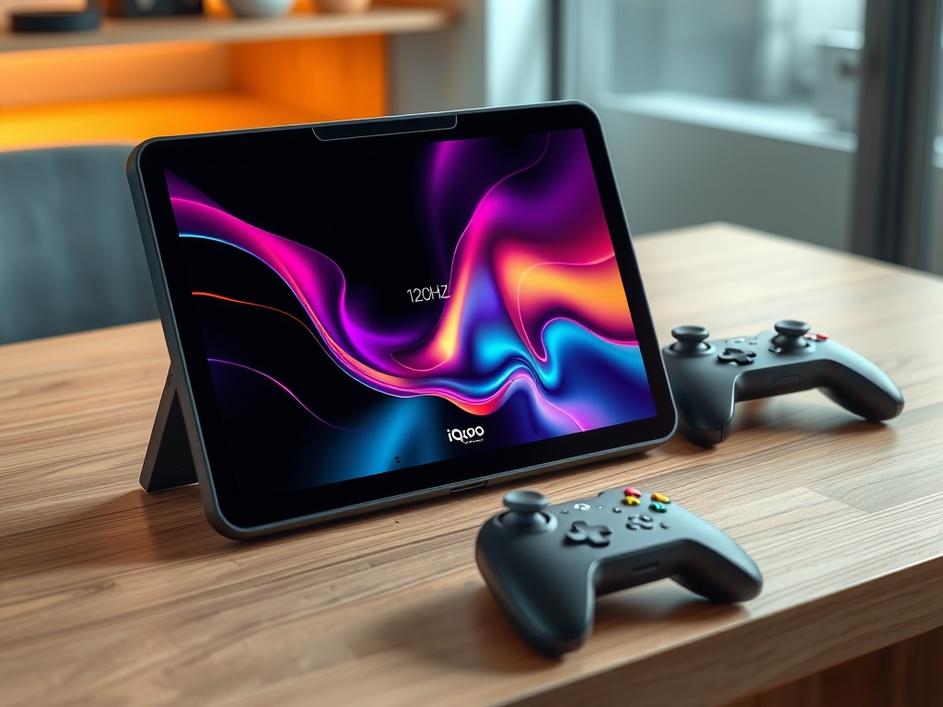
What might the hardware look like? Leaks point to a 7‑inch or 8‑inch LCD panel with a 120 Hz refresh rate, a resolution around 2400 × 1080, and a Snapdragon 8‑series processor. A battery in the 6000‑mAh range would be necessary to keep play sessions lasting an hour and a half to two hours under heavy load. Expect a USB‑C port that supports fast charging and possibly an external GPU dock, similar to what other gaming tablets offer. A built‑in kickstand and detachable controllers could round out the package.
On the software side, iQOO could lean on its Game Space UI, which already offers performance modes, network prioritization, and screen recording. A tablet version might include a desktop‑like overlay, quick app switching, and native support for cloud‑gaming services such as Xbox Cloud or Nvidia GeForce Now. Integration with iQOO smartphones could let users sync game saves, profiles, and even use the phone as a secondary screen. All of these features would make the tablet feel less like an isolated device and more like part of a larger gaming ecosystem.
Pricing will be a decisive factor. If iQOO follows its smartphone strategy, we could see a launch price around $350‑$400, which would sit below the ROG Flow series and the Lenovo Legion Tablet. That price point would attract students, casual gamers, and even some indie developers looking for a portable test bench. Of course, higher‑end specs like a larger OLED screen or advanced cooling could push the cost up, but the brand seems comfortable offering tiered models to cover different budgets.
There are hurdles, though. Heat management in a compact chassis is tricky, especially when you push a flagship chipset to its limits. Battery life is another concern; gamers expect long sessions, yet a small tablet can only hold so much juice. The accessory market—controllers, docks, protective cases—needs to develop quickly, otherwise the device might feel incomplete at launch. Finally, iQOO must convince users that its software tweaks actually improve gameplay, not just add another layer of gimmicks.
From my perspective, the idea of a lightweight, performance‑first tablet is appealing. I’ve tried several Android tablets and found most of them either lag on newer titles or feel too bulky to carry around. A device that balances size, speed, and price could become my go‑to for commuting, coffee‑shop sessions, or quick multiplayer matches. I hope iQOO keeps the design simple, avoids unnecessary bloatware, and listens to community feedback after launch. If they manage that, the tablet could quickly earn a loyal fan base.
In the end, the success of iQOO’s compact gaming tablet will depend on how well it marries hardware muscle with a smooth user experience at a sensible price. The market is hungry for a device that delivers console‑like performance without the weight of a laptop or the expense of a high‑end handheld. Whether the rumors turn into a real product remains to be seen, but the very possibility signals that competition in mobile gaming is heating up. I’ll be watching closely, and if a launch date is announced, you can count on me to test it and share the findings.
Source: Original Article



Comments are closed