

We are a digital agency helping businesses develop immersive, engaging, and user-focused web, app, and software solutions.
2310 Mira Vista Ave
Montrose, CA 91020

2500+ reviews based on client feedback
What's Included?
ToggleIn a recent press briefing, the U.S. Energy Secretary urged investors and developers of data centers to stand up against a growing chorus of critics. He said the country’s digital backbone is being built in warehouses that run 24/7, and that those facilities deserve a seat at the table when energy policy is debated. The message was clear: don’t let opposition groups dictate the rules without a fight. He reminded the audience that the power grid is already being stretched by climate goals, and that data centers can actually help balance load if they are treated as partners, not obstacles. The speech was timed with a wave of local zoning battles, where towns try to block new builds over fears of electricity spikes. By calling for a coordinated response, the secretary hopes to turn scattered resistance into a unified front that can shape smarter regulations.
Critics argue that the massive electricity demand of server farms threatens climate targets and local reliability. Environmental NGOs point to the carbon footprint of cooling systems, while community leaders worry about rising rates on their own power bills. Some politicians have even suggested a moratorium on new builds until a “green audit” is completed. The backlash is not random; it reflects a broader anxiety about how digital growth will fit into a decarbonizing grid. Yet many of the claims ignore the fact that data centers are already moving toward renewable contracts and that they can provide demand‑response services that help utilities shave peaks. The narrative that servers are pure waste is too simple, and it fuels policies that could slow down the very infrastructure that powers remote work, telemedicine, and online education.
Behind the headlines lies a solid economic engine. Data centers bring high‑pay jobs, tax revenue, and a magnet for tech talent. Rural counties that host these facilities often see new roads, improved broadband, and a boost to local services. The industry also attracts ancillary businesses – from construction firms to security providers – that create a ripple effect across the regional economy. When a state loses a data center project, it also loses the promise of long‑term fiscal stability. That is why many governors are eager to welcome these projects, even as they try to balance environmental concerns. The Secretary’s plea, therefore, is not just about energy; it is about protecting a source of growth that many communities have come to rely on.
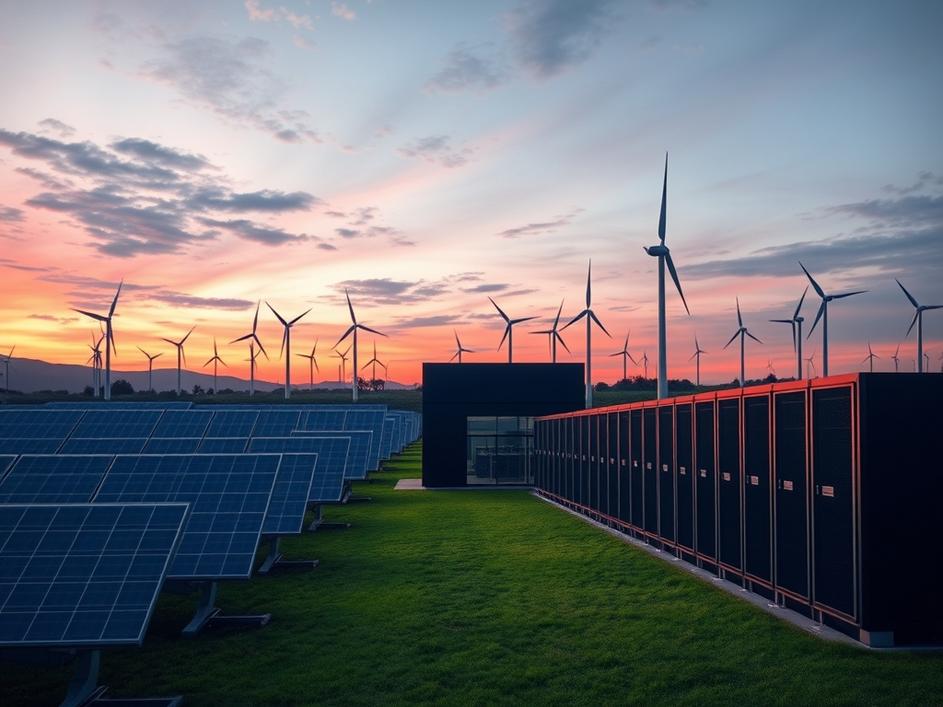
The real challenge is finding a middle ground where climate ambition and digital expansion can coexist. Data center operators are already investing in on‑site solar, wind power purchase agreements, and innovative cooling techniques that cut water use. Some are experimenting with waste‑heat recovery to warm nearby buildings, turning a by‑product into a community benefit. Policy makers can encourage these efforts with tax credits, streamlined permitting, and clear standards for renewable procurement. At the same time, utilities need better tools to forecast the load that data centers will add, and to reward facilities that shift consumption to off‑peak hours. When both sides see a clear path to profit and sustainability, the fight turns into collaboration.
The Energy Secretary’s urging is a reminder that the future of the internet is not just a tech story; it is an energy story. If investors stay silent, they hand the narrative to opponents who may push for blanket bans or heavy taxes that hurt both the industry and the public that depends on fast, reliable online services. By speaking up, data center backers can help shape policies that recognize the sector’s willingness to go green while still delivering the compute power the economy needs. The road ahead will be messy, with lawsuits, hearings, and community meetings. But a united voice can turn those obstacles into opportunities for smarter grid design and more resilient digital infrastructure. In the end, the goal should be a power system that fuels progress without leaving anyone in the dark.
Source: Original Article



Comments are closed