

We are a digital agency helping businesses develop immersive, engaging, and user-focused web, app, and software solutions.
2310 Mira Vista Ave
Montrose, CA 91020

2500+ reviews based on client feedback

What's Included?
ToggleHUT’s shares fell after the company reported a weaker second‑quarter than expected. Revenue was down and earnings didn’t hit the forecast. Investors reacted quickly, pushing the stock lower. The miss was not a surprise to some analysts who had warned that the AI boom is still uneven. Still, the drop felt sharper than the numbers alone would suggest. It shows how sensitive the market is to any hint of slowdown in the fast‑growing AI space. The earnings release highlighted higher costs in R&D and a lag in product shipments. While the company posted a modest profit, the guidance for the next quarter was flat, and that added to the nervousness. In short, the numbers sparked a wave of sell‑offs that left the stock below its recent highs.
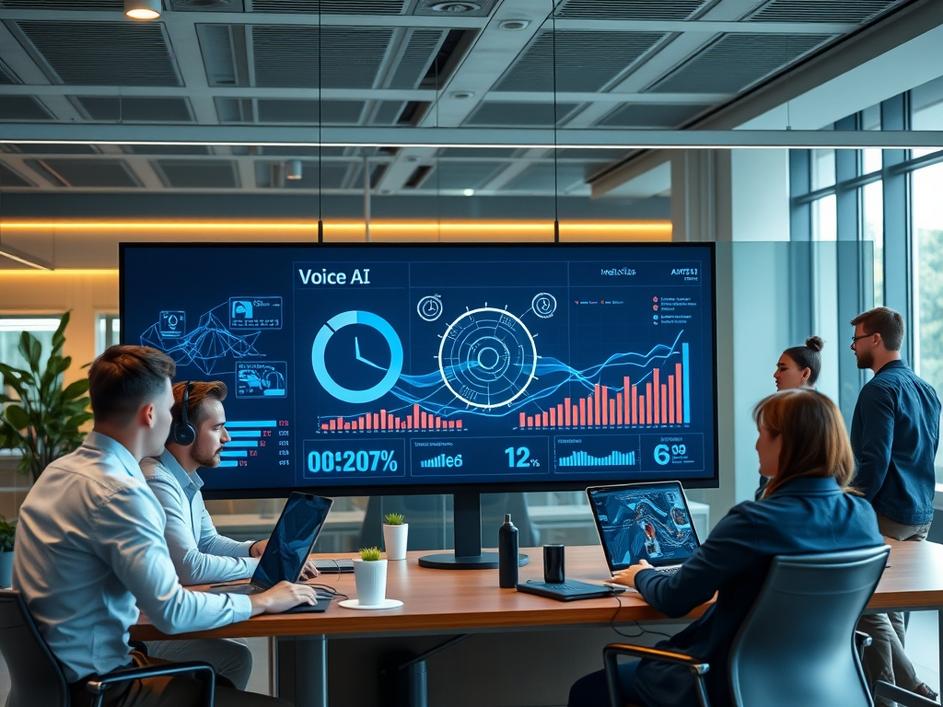
During the earnings call the CEO made a clear statement: delivering AI‑focused data‑center hardware is now a central priority. He said the team is re‑allocating budget and engineering talent to speed up the rollout of new server designs that can handle large language models. The goal is to become a preferred supplier for cloud providers that are expanding their AI capacity. He also promised faster production cycles and tighter integration with major chip makers. This shift signals that HUT is betting heavily on the demand for specialized AI compute, even if it means putting other projects on the back burner for now. The message was meant to reassure investors that the company is not standing still.
Analysts have mixed feelings about the new focus. Some see it as a logical step because the AI market is still hungry for more powerful machines. They point out that HUT already has a foothold in the server space and that a stronger data‑center offering could lift margins. Others worry about execution risk. The AI hardware race is crowded, with big players pouring billions into similar projects. If HUT cannot deliver on time, it could lose customers to rivals who already have mature product lines. The stock’s dip reflects that uncertainty – investors are weighing the upside of a bigger AI role against the chance of missed deadlines and cost overruns.
Turning a strategic priority into a real product line is not easy. HUT will need to secure a steady supply of advanced chips, which are currently in short supply worldwide. It also has to scale up manufacturing without compromising quality, something that has tripped up other firms in the past. Hiring and retaining specialized engineers is another challenge; the talent pool is tight and salaries are rising fast. Moreover, the company must keep its existing customers happy while it pivots. Any slip in service or support could erode trust. All of these factors create a complex puzzle that the leadership must solve quickly if the AI data‑center push is to succeed.
Despite the obstacles, there are reasons to be optimistic. The demand for AI‑ready infrastructure is still growing, and many cloud providers are looking for partners who can deliver at scale. HUT’s existing relationships with major data‑center operators could give it a foot in the door that newcomers lack. If the company can launch a competitive product within the next year, it could capture a meaningful share of the market and improve its revenue profile. Higher‑margin hardware sales would also boost profitability, which is something investors are hungry for after the recent earnings miss. In addition, a successful AI push could raise the company’s brand as a technology leader, opening doors to new partnerships and licensing deals.
The Q2 disappointment has put HUT under a spotlight, but the CEO’s declaration of AI data‑center delivery as a central priority could turn the situation around. The stock dip reflects short‑term concerns about execution and competition, yet the long‑term upside remains attractive if the company can deliver on its promises. Investors will be watching closely for signs of progress – faster prototype builds, confirmed supply contracts, and early customer orders. If those pieces fall into place, the current dip might look like a temporary setback before a period of stronger growth. For now, the story is still unfolding, and the next few quarters will reveal whether HUT’s new focus is a smart pivot or a risky gamble.
Source: Original Article
Comments are closed