

We are a digital agency helping businesses develop immersive, engaging, and user-focused web, app, and software solutions.
2310 Mira Vista Ave
Montrose, CA 91020

2500+ reviews based on client feedback
What's Included?
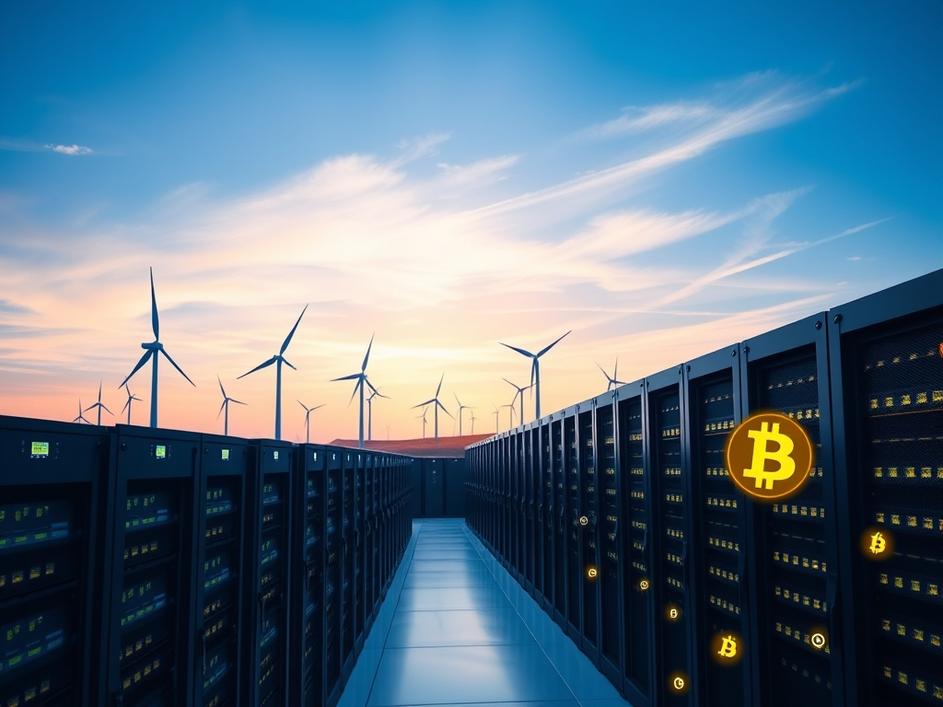
ToggleThe buzz around Galaxy Digital (GLXY) has taken a new turn after a recent report highlighted a possible link between the firm and a massive AI-focused data center rollout in Texas. The article, published on August 8, 2026, points out that the stock is up a few percent but still trades at a level that many analysts call “cheap” given the upside potential. While most investors still associate Galaxy Digital with crypto trading and venture investing, the Texas development could add a whole new revenue stream. In plain terms, if the company can tap into the growing need for AI compute power, it may have a chance to diversify its earnings and give the share a fresh catalyst. That’s why I decided to dig deeper and see whether the hype is justified or just another headline.
Before we talk about data centers, it helps to remember what Galaxy Digital actually does. Founded by Mike Novogratz, the firm started as a hedge fund that focused on digital assets, later expanding into brokerage, asset management, and even a crypto mining arm. Over the years it has built a reputation for being one of the more institutional-friendly players in the crypto space. Its balance sheet now includes a mix of cash, token holdings, and equity stakes in early-stage blockchain projects. This diversified approach has kept the company afloat during the wild swings that have defined the crypto market. However, the same diversification also means that a single new line of business—like an AI data center—could shift the risk profile in a noticeable way.
Texas has become the go-to location for large-scale AI infrastructure for three simple reasons. First, the state offers abundant land at a fraction of the cost you’d see in coastal tech hubs. Second, the power grid is heavily weighted toward natural gas and wind, giving operators a relatively cheap and reliable electricity supply. Third, the regulatory environment is friendly to data-center developers, with tax incentives that can shave millions off the capital expense. Companies like Nvidia, Microsoft, and several Chinese AI firms have already announced multi-billion-dollar projects in the Lone Star State. The demand for AI training and inference hardware is exploding, and the supply of suitable facilities is still catching up. That gap creates a lucrative opening for any firm that can supply space, power, and connectivity.
Galaxy Digital’s existing expertise in tokenization and digital asset financing gives it a unique angle. Imagine a scenario where the firm issues a security-token offering that represents ownership in a slice of a Texas data center. Investors could buy and trade those tokens on a blockchain, unlocking liquidity that traditional real-estate financing struggles to provide. At the same time, Galaxy could act as the operator, handling everything from power procurement to network routing. The company already has relationships with crypto miners who need cheap electricity, so repurposing that know-how for AI workloads isn’t a huge stretch. If the firm can lock in long-term power contracts and sell compute capacity to AI startups, it could generate a steady cash flow that is largely independent of crypto market cycles.
At the time of writing, GLXY trades around $3.20 per share, giving it a market cap just under $1 billion. Compared with peers that focus solely on crypto, the stock looks relatively inexpensive, especially when you factor in the potential upside from a data-center business. On the downside, the venture is still speculative. The capital required to build or acquire a sizable facility in Texas runs into the hundreds of millions, and any misstep in power pricing or regulatory compliance could erode margins quickly. Moreover, the crypto market still casts a long shadow over the company’s reputation; a major price crash could drain cash reserves before the AI side reaches profitability. Investors should weigh these variables carefully, perhaps treating the stock as a high-conviction play only if they believe the data-center thesis will materialize within the next two to three years.
In short, Galaxy Digital sits at a crossroads where two fast-moving sectors intersect. The company’s crypto roots give it a built-in audience of tech-savvy investors, while the Texas AI data-center boom offers a tangible growth catalyst that could smooth out earnings volatility. If the firm can pull off a successful entry into the data-center market, the upside could be substantial and the downside limited to the amount of capital it commits. For a trader looking for a stock that blends speculative excitement with a real, asset-backed play, GLXY might be worth a second look. As always, do your own homework, keep an eye on power-price trends in Texas, and stay alert for any official partnership announcements from Galaxy Digital.
Source: Original Article



Comments are closed