

We are a digital agency helping businesses develop immersive, engaging, and user-focused web, app, and software solutions.
2310 Mira Vista Ave
Montrose, CA 91020

2500+ reviews based on client feedback
What's Included?
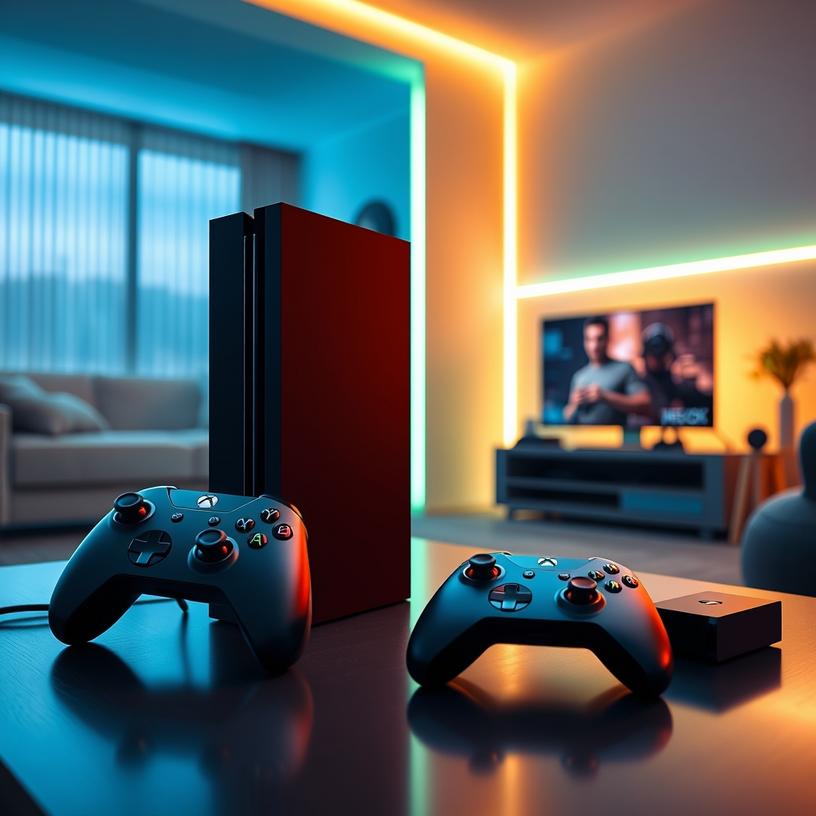
ToggleWhen Xbox CEO Asha Sharma sat down with the BBC at Gamescom, she didn’t just talk about a new console. She painted a picture of an entire family of devices that could change how we think about gaming hardware. The name Project Helix hints at something that can grow, adapt, and evolve – a clear signal that Microsoft isn’t planning a single box this time. For anyone who follows the console wars, this feels like a big shift. It’s not just about raw power; it’s about giving players choices that fit different lifestyles, budgets, and play spaces. That’s why the announcement caught the eye of both hardcore fans and casual observers alike.
From what Sharma described, the Helix family will likely include three main pieces: a flagship console for the traditional setup, a portable handheld that can double as a docked device, and a compact streaming stick that plugs straight into any screen. The handheld looks like it could compete with the Nintendo Switch, but with a focus on higher fidelity and cloud‑linked performance. The streaming stick, on the other hand, seems aimed at people who want instant access to Xbox Game Pass without the need for a big box. By covering all three form factors, Microsoft is trying to make sure no one feels left out, no matter how they like to play.
One of the most interesting hints was the talk of modular components. Sharma mentioned a “future‑proof” approach where parts like the SSD or GPU could be upgraded without swapping the whole machine. If that’s true, it could extend the life of each device and cut down on electronic waste. It also lines up with the growing demand for sustainable tech. Imagine buying a handheld today and later swapping in a better processor when a new chip drops, instead of tossing the whole thing. That kind of flexibility could make the Helix family feel less like a disposable gadget and more like a long‑term investment.
While Microsoft kept the exact numbers under wraps, Sharma’s interview gave a few clues. She talked about a custom ARM‑based CPU paired with a next‑gen RDNA‑style GPU, plus dedicated AI accelerators for things like real‑time ray tracing and in‑game NPC learning. The handheld is said to support 120 fps at 1080p, while the flagship console targets 4K at 120 fps with HDR. Cloud integration will also be deeper, meaning the devices can offload heavy workloads to Microsoft’s data centers when needed. If the hardware lives up to those promises, we could see games that look and feel more immersive than anything on the market right now.
Project Helix isn’t happening in a vacuum. Sony’s PlayStation 6 is rumored to be a single, high‑end machine, while Nintendo continues to double down on hybrid play. By offering a family of devices, Xbox could carve out a niche that blends the best of both worlds. The streaming stick could attract users who are already on services like Netflix and want a quick gaming add‑on, while the handheld could lure players who travel a lot but still want near‑console quality. If the price points are right, we might see a shift where gamers pick the device that fits their day rather than being locked into one purchase.
Personally, I’m excited but cautious. The idea of a modular console is appealing, especially if it means we don’t have to replace everything every few years. However, the real test will be how smooth the upgrade path is and whether developers can easily support multiple form factors without extra work. If Microsoft can pull that off, Helix could become a template for the next decade of gaming hardware. Until we see a concrete roadmap, the best we can do is keep an eye on the rumors, watch for developer demos, and hope that the promised flexibility doesn’t turn into a fragmented ecosystem. Either way, the conversation around Helix shows that the industry is finally thinking beyond “bigger, faster” and looking at how to make gaming fit more naturally into everyday life.
Source: Original Article


Comments are closed