

We are a digital agency helping businesses develop immersive, engaging, and user-focused web, app, and software solutions.
2310 Mira Vista Ave
Montrose, CA 91020

2500+ reviews based on client feedback
What's Included?
ToggleLast week Sam Altman, the head of OpenAI, and executives at Meta both went on record saying that the AI systems they ship are not as reliable as they would like. It was a rare moment of candor from two of the biggest names in the field. Instead of bragging about the latest model size, they focused on the cracks they see in everyday use – from nonsense answers to subtle bias. The admission felt like a breath of fresh air, because it opened the door for a conversation about fixing, not just flaunting, the technology.
The issues they highlighted are the ones most users have run into: hallucinations that sound plausible but are factually wrong, responses that swing toward a particular viewpoint, and occasional failures to respect safety guardrails. These problems show up in chat bots, code assistants, and even image generators. When a model confidently asserts a false claim, the damage can be more than a momentary embarrassment – it can erode trust in the whole ecosystem.
Trust is the currency of AI. Companies sell APIs, developers build products, and end‑users rely on the output for decisions that affect their lives. If the output is noisy or biased, the ripple effects reach schools, businesses, and governments. Moreover, regulators are watching closely; a single high‑profile failure can trigger new rules that slow down innovation. So the problem isn’t just technical – it’s economic, legal, and social.
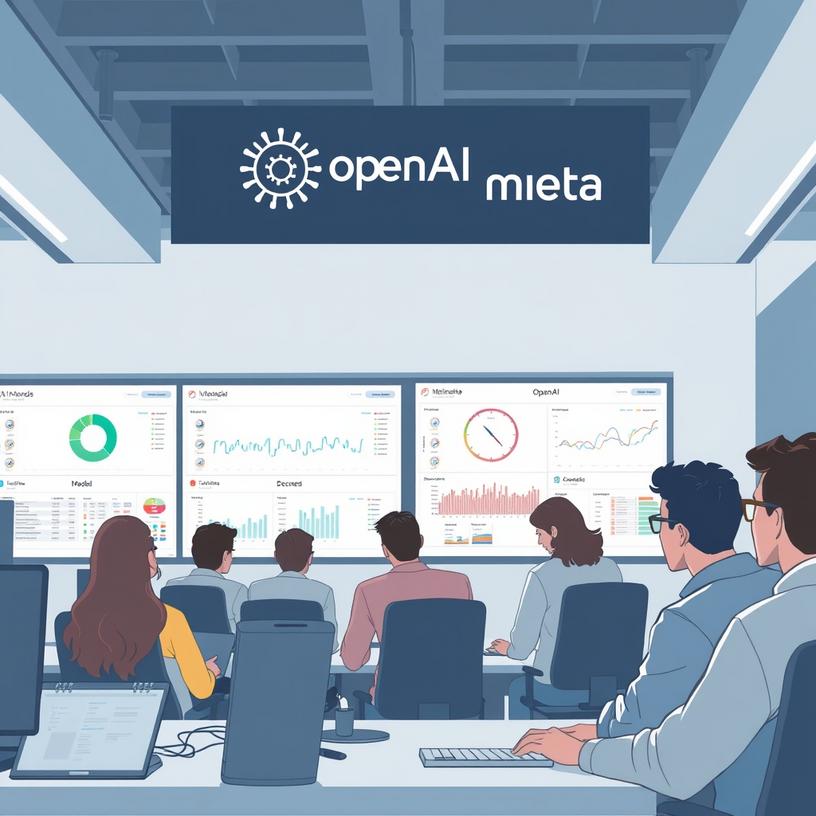
In response, both OpenAI and Meta have started to lean on a new class of specialists known as Fault Detection Engineers, or FDEs. These engineers treat AI models like complex machinery: they monitor, diagnose, and patch problems before they reach the user. Their job is not to write the next headline‑grabbing paper, but to keep the existing models running cleanly. Think of them as the mechanics who keep a high‑performance car from sputtering on the highway.
FDEs use a mix of automated testing, real‑time logging, and human‑in‑the‑loop reviews. They set up “shadow runs” where a new model version is compared side‑by‑side with the live one, flagging any drift in factual accuracy or tone. They also apply reinforcement learning from human feedback (RLHF) in a tighter loop, feeding corrected responses back into the model quickly. On top of that, they build prompt‑sanitization layers that catch risky requests before they hit the core model.
The news sparked a flurry of comments on social media and in investor calls. Some praised the transparency, saying it shows maturity. Others worried that admitting flaws could hurt market confidence, especially as competitors tout “error‑free” claims. A few startups announced they are hiring their own FDE teams, turning what was once a behind‑the‑scenes role into a headline job description. The overall vibe feels like a shift from hype‑first to safety‑first thinking.
If the FDE model sticks, we may see a new industry standard for AI reliability. Companies could start publishing “fault‑rate” metrics alongside model size and training data volume. Regulators might reference those numbers when drafting guidelines, making it easier to certify a model for high‑risk domains like healthcare or finance. On the flip side, a focus on fixing could slow down the rollout of cutting‑edge features, as teams spend more time on validation than on raw performance.
From where I sit, the move feels overdue. Too many product launches have been driven by the race to be bigger, louder, and faster, with safety as an afterthought. Giving engineers a dedicated mandate to hunt down bugs changes the incentive structure. It also signals to users that the companies care about the day‑to‑day experience, not just the next press release. I’m cautiously optimistic that this will lead to AI that feels more like a helpful assistant and less like a mischievous trickster.
The real test will be whether the fixes hold up as models grow even larger and more complex. If FDEs can keep pace, we might finally see AI that lives up to its promises without constantly reminding us of its limits. If not, the industry could swing back to a hype‑driven cycle, and the trust we’re trying to rebuild could crumble again. Either way, the conversation started by Altman and Meta has put the spotlight on the people quietly working behind the scenes, and that’s a step in the right direction.
Source: Original Article


Comments are closed