

We are a digital agency helping businesses develop immersive, engaging, and user-focused web, app, and software solutions.
2310 Mira Vista Ave
Montrose, CA 91020

2500+ reviews based on client feedback
What's Included?
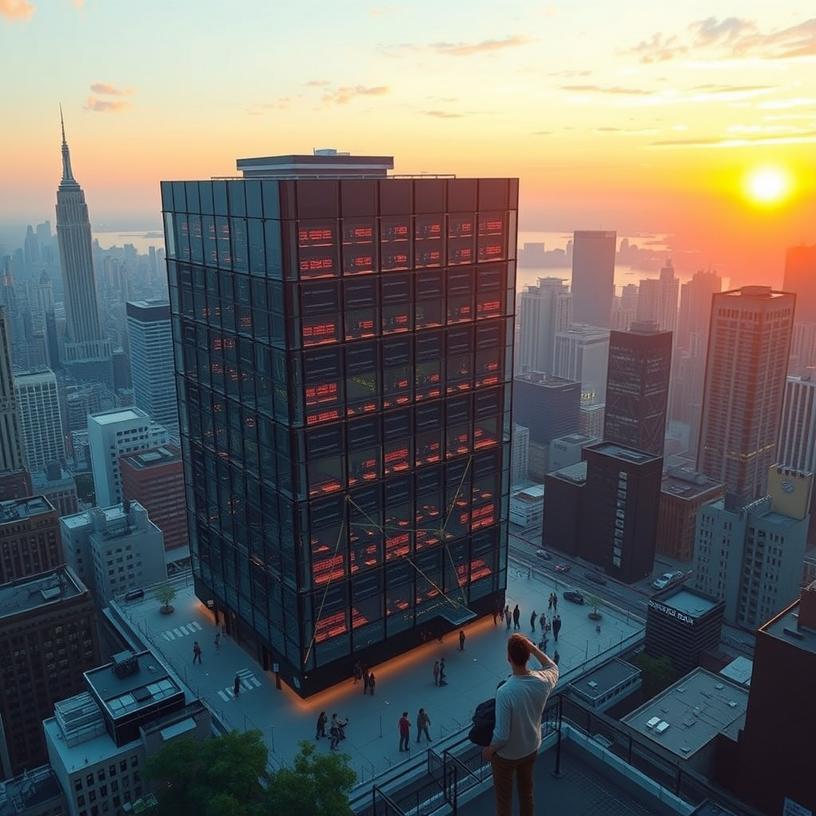
ToggleArtificial intelligence is no longer a buzzword confined to research labs. Companies are building massive data centers to train large models, and those facilities need huge amounts of electricity and cooling water. In New York, the push to attract these projects is part of a broader effort to keep the state competitive in the tech economy. Yet the scale of the resources required—sometimes comparable to a small town’s entire utility load—has sparked concern among residents who worry about rising bills and strain on local services. The conversation is moving beyond the boardroom and into city halls, where everyday people are asking: who gets to decide what sits on their streets and in their backyards?
Running an AI super‑computer is like trying to keep a furnace at full blast 24/7. The cooling systems alone can consume millions of gallons of water each year, while the power draw can push local grids to their limits. In places where the water supply is already stressed, adding another thirsty tenant can feel like a gamble with public health. Likewise, a sudden spike in electricity demand can force utilities to buy expensive spot‑market power, which often translates into higher rates for households and small businesses. These are not abstract engineering problems; they affect real people’s monthly budgets and the environment they live in.
Manhattan Democrat Alex Bores has stepped into the fray, arguing that communities should have a formal say before an AI data center is approved. He points out that current permitting processes focus almost entirely on economic incentives and technical compliance, leaving little room for local voices. Bores proposes a “community impact review” that would require developers to disclose projected water use, energy load, and potential noise or traffic changes. The idea is to give neighborhood boards, schools, and local advocacy groups a chance to weigh in, ask questions, and suggest mitigations before a project gets the green light.
When residents are invited to the table, the discussion often shifts from abstract numbers to everyday realities. A parent might wonder whether the heat from a cooling tower will raise indoor temperatures for nearby apartments. A small business owner could be worried about power outages during peak training runs. By surfacing these concerns early, cities can negotiate better terms—like requiring on‑site renewable generation, water‑recycling systems, or community benefit agreements that fund local schools or parks. In other states, similar approaches have led to projects that are both profitable and socially responsible.
Critics argue that adding another layer of review could slow down investment and push companies to look elsewhere, perhaps to states with fewer safeguards. That fear is not unfounded; the tech sector moves fast, and delays can cost millions. However, the long‑term costs of ignoring community impact—political backlash, legal battles, or even forced shutdowns—can be far higher. A balanced approach means setting clear, predictable criteria that developers know up front, while still giving neighborhoods a meaningful voice. Transparency, data sharing, and a timeline for feedback can keep the process efficient without sacrificing accountability.
If New York can craft a model that blends economic ambition with local stewardship, it could become a template for other regions grappling with the AI boom. The key will be to treat data centers not as isolated factories but as part of a broader ecosystem that includes schools, hospitals, and families. By embedding community review into the permitting process, lawmakers like Bores are signaling that progress does not have to come at the expense of everyday life. The conversation is still unfolding, but the message is clear: when people feel heard, they are more likely to support the technology that will shape the next decade.
Source: Original Article


Comments are closed