Why This Deal Matters Now
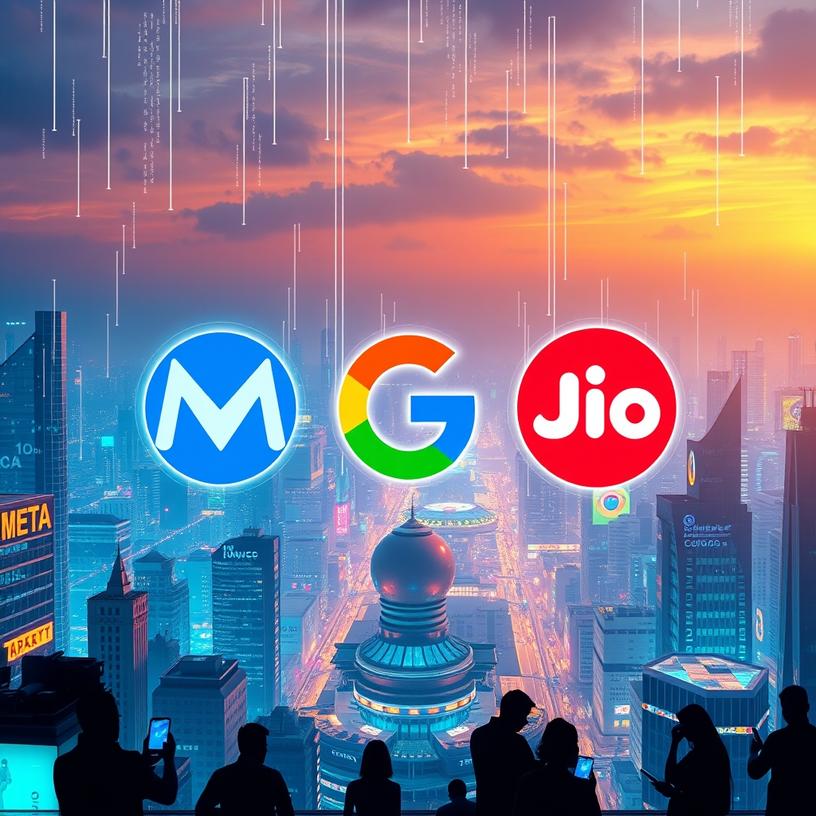
India’s digital scene has been on a fast track for years, but the latest gamble by Meta and Google to partner with Jio Platforms is turning heads. The three companies are putting together a plan that could reshape how billions of users connect, shop, and consume content. It’s not just another partnership; it’s a high‑stakes experiment that could decide who owns the next wave of internet traffic in the world’s second‑largest online market. The headline numbers are huge, but the real story is about how each player hopes to turn those numbers into everyday habits for millions of people.
Jio’s Rise From a Telecom Newcomer to a Digital Powerhouse
When Jio launched its 4G network in 2016, it shocked the industry with rock‑bottom prices and aggressive data bundles. Within a few years, it grew from a fresh entrant to a household name, covering more than 400 million users across India. The platform now hosts a suite of services—payments, video, news, and cloud—that sit on top of its massive network. This breadth makes Jio an attractive partner for any global tech giant that wants a shortcut into the Indian market without building infrastructure from scratch.
The $137 Billion Question: How Much Is at Stake?
Analysts estimate that the combined value of the Meta‑Google‑Jio venture could hover around $137 billion if everything goes according to plan. That figure includes projected revenue from ad sales, e‑commerce, cloud services, and a share of the data economy that will grow as more Indians get online. For Meta, the bet is about recapturing ad dollars that are slipping toward local platforms. For Google, it’s a chance to cement its search and cloud dominance. And for Jio, the partnership is a way to monetize its massive user base beyond telecom fees.
Strategic Moves in a Competitive Landscape
The Indian market is already crowded. Home‑grown players like Reliance’s Jio Platforms, Tata, and Flipkart are fighting for market share, while foreign firms such as Amazon and Apple have their own footholds. By joining forces, Meta and Google aim to pool resources, share risk, and present a united front against both local and global rivals. The collaboration could lead to integrated services—think of a single app where you watch videos, shop, pay bills, and see personalized ads—all powered by Meta’s social graph and Google’s AI engine, delivered over Jio’s network.
Risks, Regulations, and the Road Ahead
Nothing about a $137 billion gamble is without risk. India’s data‑privacy rules are tightening, and the government has shown a willingness to curb foreign influence in digital services. Antitrust concerns could also surface if the trio appears to monopolize key parts of the ecosystem. Moreover, user trust is fragile; any misstep in handling personal data could trigger backlash. On the technical side, integrating three massive codebases and aligning product roadmaps is a huge challenge that could delay rollout and increase costs.
What This Means for the Rest of the World
If the partnership succeeds, it could become a template for how global tech firms enter emerging markets: partner with a local giant, share risk, and co‑create a suite of services tailored to local habits. It might also push other regions to reconsider their own digital strategies, especially where regulation is becoming stricter. On the flip side, a failure would send a clear signal that even the biggest names can’t simply buy their way into user loyalty without respecting local rules and preferences. Either way, the outcome will be watched closely by investors, policymakers, and tech enthusiasts worldwide.
Source: Original Article






Comments are closed