

We are a digital agency helping businesses develop immersive, engaging, and user-focused web, app, and software solutions.
2310 Mira Vista Ave
Montrose, CA 91020

2500+ reviews based on client feedback
What's Included?
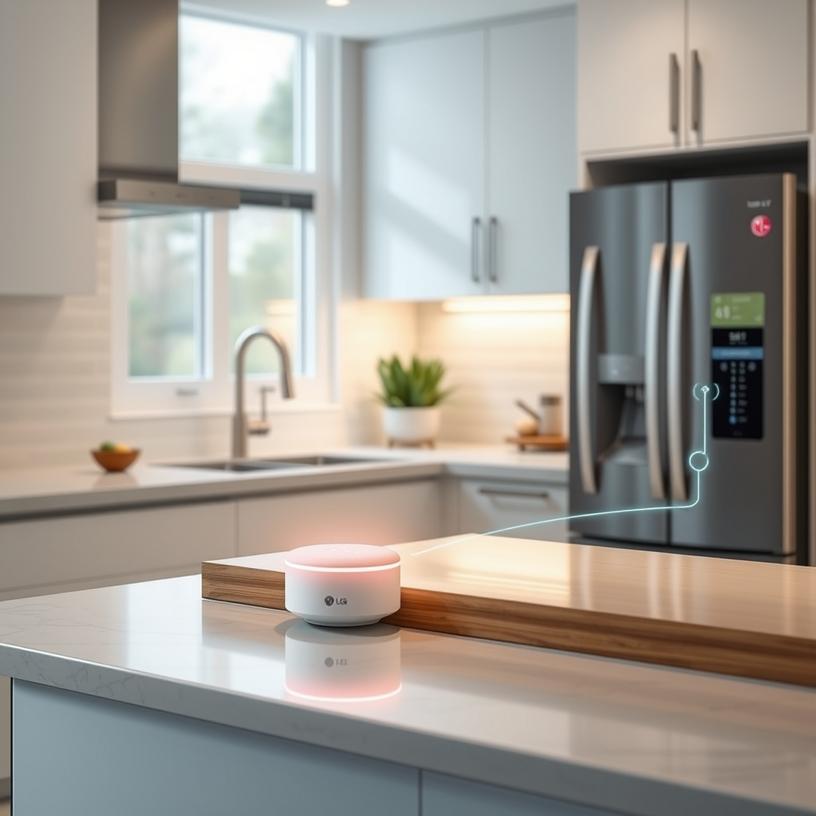
ToggleLG has just rolled out an AI assistant that lives inside the Homey smart‑home hub. The agent is built to talk to every LG appliance that supports Wi‑Fi, from fridges to washing machines. What makes it different is that it also talks to the Home Energy Layer, a software slice that watches how much power each device uses. In plain terms, the AI can decide when to run a dryer or when to chill a freezer, based on how much electricity is cheap or abundant at that moment. The announcement came in a short blog post by Mila Cohen, and it has already sparked a lot of chatter online. For many, it feels like the first time a big appliance maker has tried to blend AI, home automation, and energy management into one tidy package.
Homey is a third‑party platform that already connects lights, locks, speakers and dozens of other gadgets. It runs on a small Linux box that can host many different apps, and it speaks a common language called “Flows”. LG chose Homey because it gives the company a ready‑made bridge to thousands of non‑LG devices. That means a user can tell the AI to dim the living‑room lights while the oven pre‑heats, without needing a separate LG hub. Homey also offers a public marketplace where developers can publish new “skills”. By sitting inside that ecosystem, LG can reach a broader audience faster than if it built its own hardware from scratch. The move also shows that LG is willing to trust an external platform with its brand reputation.
The new agent lives as a small app on Homey. It learns the routine of each appliance by watching when you turn it on and off, and it records the energy draw of each cycle. With that data, it can suggest the best time to start a load of laundry, or it can delay a dishwasher run until the grid signals low demand. It also reacts to voice commands from Alexa or Google Assistant, passing the request through Homey to the right machine. If the power price spikes, the AI can automatically lower the thermostat a few degrees or pause a charging session for an electric car. All of these actions happen in the background, so the user rarely has to intervene.
For a typical family, the biggest benefit is likely a lower electric bill. By shifting heavy loads to off‑peak hours, the AI can shave off a few dollars each month without any extra effort. It also adds a layer of convenience: you can ask your phone, “When should I start the washing machine?” and get a clear answer that matches the current energy price. On the flip side, there are privacy questions. The AI watches when you use each device, which could reveal habits like when you sleep or when you are away. LG says the data stays on the Homey box and is encrypted, but users will need to trust that claim. Another practical issue is that the system only works if all appliances are Wi‑Fi enabled, which may limit older models.
Other big names have tried similar tricks. Samsung’s SmartThings platform can link appliances, but it does not yet offer an energy‑aware AI that can delay usage based on price signals. Google’s Nest ecosystem focuses more on heating and cooling, and it relies on third‑party partners for laundry or kitchen gear. Apple’s HomeKit is very secure, yet it has a smaller catalog of supported appliances. LG’s approach feels more holistic because it combines the AI, the Homey hub, and the energy‑layer into one package. The downside is that it adds another layer of software that could fail or need updates. If the integration works smoothly, LG could set a new benchmark for how smart homes manage power.
The real test will be how many households actually adopt the system and keep it running. Early adopters will tell us if the AI’s suggestions are accurate and if the savings justify the extra setup. If the model proves reliable, we may see utilities offering incentives for homes that run appliances during low‑demand windows. That could turn the AI into a small player in the larger grid balancing game. For now, LG has taken a bold step toward making the smart home feel more like a helpful partner rather than a collection of isolated gadgets. Time will tell if the effort pays off, but the idea of an appliance that thinks about both your schedule and the planet is certainly a welcome one.
Source: Original Article


Comments are closed