A New Chapter Without Machines
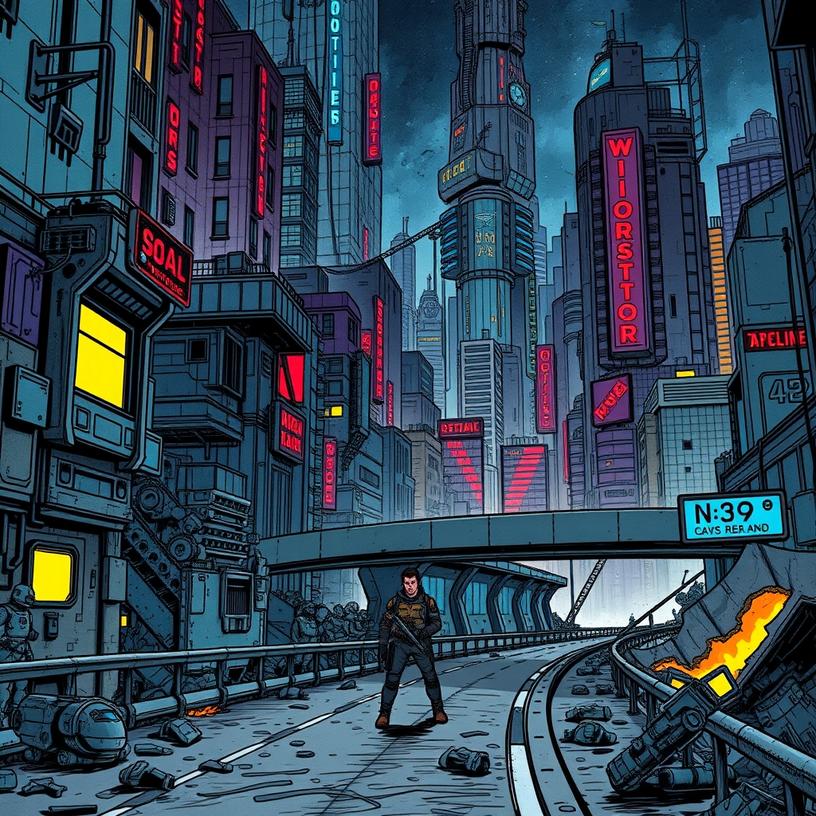
Duncan Jones has been talking a lot lately about his newest animated project, Rogue Trooper. The film is set in a gritty sci‑fi world, and Jones makes it clear that not a single line of code was handed to an AI to help shape it. He wants fans to know that the art, the story beats, and the visual style all came from people sitting at desks, sketching and writing. That declaration feels like a small protest in a time when many studios are quick to hand over parts of the creative process to algorithms. For Jones, it’s not just a marketing hook; it’s a statement about where he thinks the soul of a movie lives.
The Growing Weight of Expectations
Making a film that looks and feels like a Jones movie used to be a matter of finding the right budget and a studio that trusted the director’s vision. Today the landscape is tighter. Studios are juggling streaming deals, global box‑office targets, and a flood of content that needs to stand out. That pressure forces directors to chase cheaper, faster solutions, and AI promises exactly that. At the same time, audiences have become more savvy about visual quality, expecting blockbuster‑level effects even from mid‑budget projects. The result is a narrow path where artistic ambition meets financial reality, and the margin for risk shrinks dramatically.
Keeping the Human Touch
Jones says he refused to let AI touch Rogue Trooper because he believes the film’s heart would be diluted otherwise. He points to the way a human artist can make a mistake, then turn that mistake into something interesting – a happy accident that an algorithm would simply discard. He also worries that relying on AI could make the visual language of the movie feel generic, as many tools pull from the same data pools. By keeping the process hands‑on, he hopes the film will carry a distinct texture that audiences can sense, even if they can’t name it.
AI in the Film World – A Double‑Edged Sword
The industry is already seeing AI used for everything from background plates to script drafts. Some filmmakers praise the speed and cost savings, while others fear a loss of craft. The technology can fill gaps, especially for indie teams that lack big resources, but it can also flatten the creative landscape. When a machine suggests a shot, it’s often based on what has performed well before, which can push storytelling toward the safest, most proven formulas. Jones’s stance highlights that tension: the tool can be useful, but it can also become a crutch that stops creators from pushing boundaries.
What This Means for Creators
From my point of view, Jones’s refusal is a reminder that the tools we use are only as good as the choices we make with them. If more directors start to treat AI as a shortcut rather than a partner, we could see a wave of movies that feel interchangeable. On the flip side, a careful, selective use of the technology could free up time for deeper character work or more experimental visuals. The key, I think, is transparency – letting audiences know what was built by hand and what was assisted by code. That honesty can build trust and keep the conversation about art alive.
Looking Ahead
The next few years will likely bring even more sophisticated AI tools to the set and the studio. Duncan Jones has drawn a line for his own project, but the industry as a whole is still figuring out where that line should be. If his gamble pays off, Rogue Trooper could become a case study in how a film can stay true to a director’s voice while still embracing modern production methods. Whatever happens, the debate Jones sparked reminds us that movies are still made by people, with all their flaws and brilliance, and that’s something worth protecting.
Source: Original Article




Comments are closed