

We are a digital agency helping businesses develop immersive, engaging, and user-focused web, app, and software solutions.
2310 Mira Vista Ave
Montrose, CA 91020

2500+ reviews based on client feedback
What's Included?
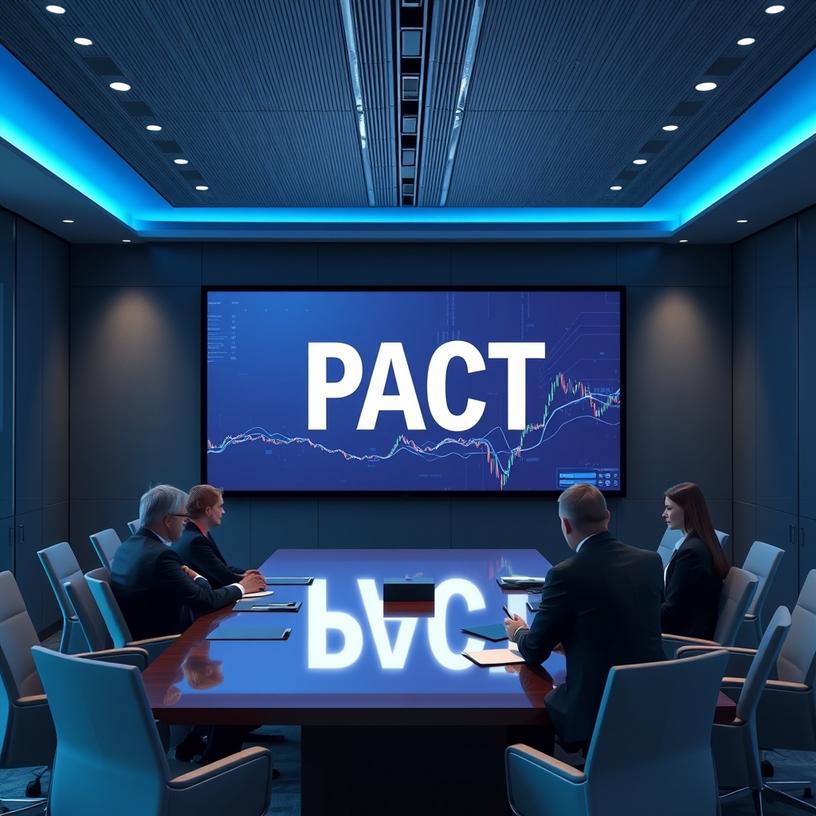
ToggleProact IT Group AB, the Swedish IT services and data infrastructure provider, has kicked off a share repurchase program. The company began buying back its own stock in late August 2026. The board has given itself a limit on how many shares can be bought, and the plan is meant to run for a set period. This move is usually framed as a sign of confidence. It also gives management a tool to support the share price if the market feels uncertain. For investors, it’s a signal that the company thinks the stock is fairly valued or underpriced, and that it wants to return some cash without waiting for growth. In times of market noise, a buyback is a simple, direct message.
From a distance, buybacks look like a straightforward cash return option. But they carry a message. Proact’s plan hints that the board believes the stock’s current price reflects, or is close to, fair value. It also tells us how management sees its capital options. If leadership sees limited high-return opportunities, buying back shares can lift returns on equity and earnings per share by reducing the share count. The effect isn’t guaranteed to lift profits, though. It depends on how much stock is bought and at what price. A thoughtful approach should balance a modest boost in per-share metrics with ensuring enough cash remains for operations and potential growth opportunities.
The mechanics are straightforward: the company can repurchase a defined amount of its own stock within a specified timeframe. The plan doesn’t force actions; it grants flexibility. As shares are bought, the total number of outstanding shares shrinks, which can raise earnings per share and improve return on equity, all else equal. The balance sheet impact depends on funding. If the purchases use cash, cash lowers and equity is affected differently depending on whether debt is used. If the program relies on excess cash and avoids new debt, leverage stays steady. Investors should watch the pace of buys, the prices paid, and any updates on the program’s size or deadline to gauge how committed the company is to this path.
Once the program goes public, investors will monitor daily volumes and any disclosures about the buyback tempo. A steady, well-communicated pace can reassure the market, especially during volatility. But rapid buying or large sums can raise questions if they happen while the business shows signs of pressure. For Proact, the story isn’t only about the number of shares repurchased; it’s about how the plan fits into the broader strategy—cash flow from services, potential strategic moves, and investments in growth areas like cloud and data center services. The real value comes from transparency: how many shares have been bought, at what average price, and whether management has a target for the total stake they want to hold.
Buybacks come with trade-offs. If funded by debt, rising interest costs can bite if profits fade. If funded from cash reserves, the company trims its buffer for downturns or future investments. There’s also the risk of paying too high a price, which would waste capital. On the upside, fewer shares outstanding can lift per-share metrics and give the stock a cleaner look in the eyes of investors who focus on cash return and value. The key advantage is a signal of confidence from management. But this strategy won’t replace the need for solid growth, durable margins, and a clear plan to win customers in a competitive IT services market.
Proact sits in a segment where steady cash flow and long-term customer relationships matter. A buyback adds a small cushion to the cash story and signals that leadership is comfortable with the current capital position. It also suggests a desire to keep the share count in check as the company pursues ongoing service work and partnerships with clients. In Europe, where competition is fierce and market cycles can swing, buybacks are a way to demonstrate capital discipline without sacrificing growth potential. If Proact can maintain steady client wins and push efficiency gains, the plan could support the stock as a stabilizing move rather than a pure bets-on-growth play.
In the end, this buyback reads as a message of calm from the board. It doesn’t replace the need for strong growth or a clear competitive edge, but it does offer a way to reward shareholders while the company continues to pursue longer-term aims. For investors, the key question is how the program evolves: is the pace measured and explained, or does it ramp up quickly without regular updates? Will management share progress as shares are repurchased and provide a view on how much longer the plan will run? The true test will come as market conditions shift. The buyback should be seen as a sign of confidence, not a shortcut to success. The next steps will reveal whether confidence translates into durable value for holders.



Comments are closed