

We are a digital agency helping businesses develop immersive, engaging, and user-focused web, app, and software solutions.
2310 Mira Vista Ave
Montrose, CA 91020

2500+ reviews based on client feedback
What's Included?
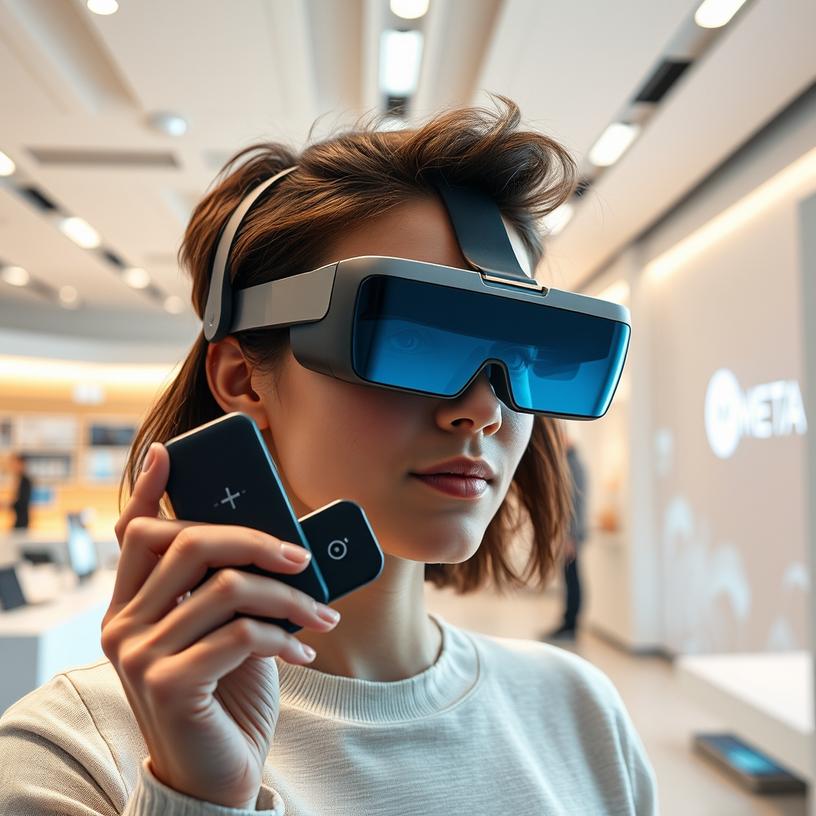
ToggleMeta’s Connect event this week laid out a simple message: the future will blend hardware, software, and a shared sense of possibility. The company rolled out a handheld Muse AI agent, a new pair of VR glasses, and a handful of software tools meant to plug together across devices. The lineup signals that Meta wants to be part of your daily routine, not just the latest gadget maker. For investors, the plan is as important as the gadgets. It points to a longer horizon where services, not just devices, drive growth. The challenge is to deliver a smooth experience at scale, earn developer support, and keep users comfortable with data practices. In other words, the event showed ambition, tempered by the realities of building a broad platform with real users.
Muse AI is pitched as a handheld agent that you carry around for real time help. It could chat, pull up documents, summarize a call, and handle quick tasks while you keep moving. The idea is to have this assistant weave through Meta apps and even outside them, so you stay in a flow without switching screens. If the hardware works well, it could cut down on time spent switching between apps and chasing information. But there are caveats. The device will need to respond fast, protect data, and offer useful, well designed prompts. The success here hinges on how developers build useful, lightweight actions that feel natural, not gimmicks that slow you down. In short, Muse could redefine how you interact with digital tasks on the go.
The new VR glasses are meant to be lighter and friendlier to wear for longer sessions. Expect better image clarity, easier setup, and smoother movement in apps you already know. Meta also hints at stronger pass through so you can see the real world while you stay plugged into virtual experiences. That mix of real and virtual could open up practical uses, from design reviews to collaborative work, without forcing you into a totally separate space. The hardware push matters, but content and comfort will drive whether people keep them on their faces. If the price is too high or the glass is bulky, interest may stall. If the software library grows and performance holds up, these glasses could become a daily tool rather than a novelty.
Hardware is one piece of the plan, but the real goal is a durable platform. If Muse and the new glasses attract a steady user base, Meta can deepen its services, offer premium features, and build a larger app ecosystem. That means more opportunities for developers, better data to tailor experiences, and a path to new revenue streams beyond ads. The timing matters. If the devices ship later than expected, momentum could fade. Meta also faces stiff competition from other tech players and from the learning curve that comes with new tech. The road ahead requires careful pricing, robust security, and a simple onboarding flow that invites non enthusiasts to try.
Investors will watch how fast customers adopt Muse and the glasses. A broader product lineup can support longer essential cycles and reduce reliance on ad revenue alone. But hardware bets bring higher costs, and the payoff can take years to materialize. Meta must show clear usage metrics, developer engagement, and a path to meaningful monetization. Competition is stiff, and real-world privacy concerns could slow adoption. Still, a well integrated set of devices could open doors to new services and more predictable revenue streams. For fans of the stock, the story stays interesting as long as there is progress in the hardware lineup paired with strong software momentum.
We should keep an eye on Muse’s reception, battery life, and how well it handles everyday tasks. The glasses’ comfort, durability, and price will shape how often people wear them. Developers will be a big factor; their ability to ship useful, well made apps will determine if the platform takes hold. Privacy and controls will also matter, as customers want clear choices about data. If Meta can deliver a tight bundle of devices that work smoothly together, the path to a broader reality becomes clearer. The outcome won’t be instant, but the direction feels steady. Meta has a chance to turn a bold product lineup into real user habits if it keeps the experience simple and trustworthy.



Comments are closed