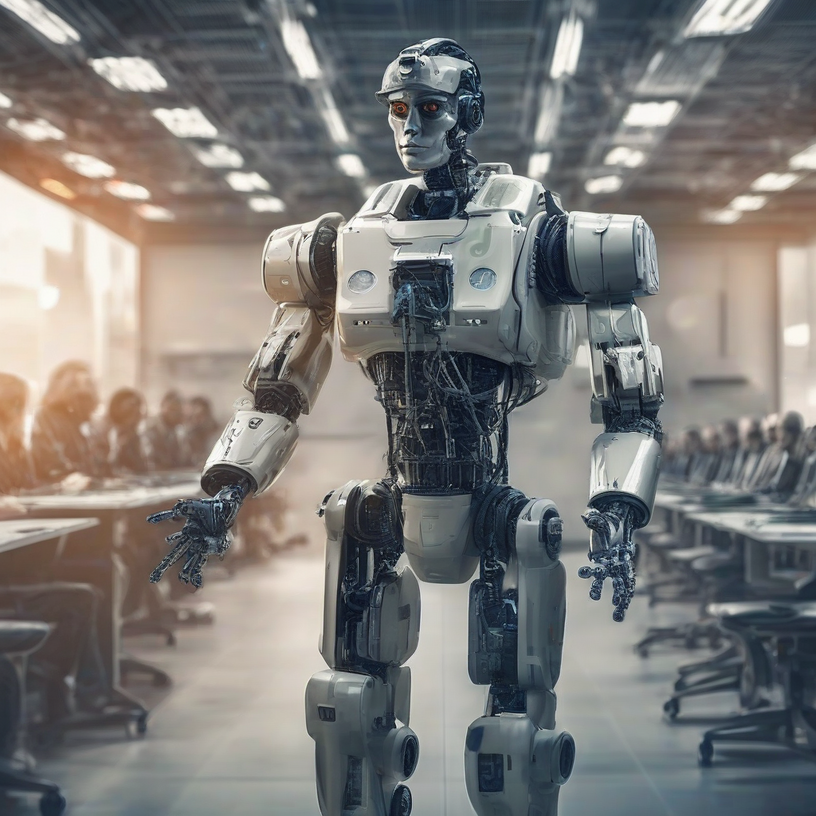
In an era where technology evolves exponentially, the military is undergoing a notable transformation driven by artificial intelligence. High-ranking generals are increasingly harnessing AI chatbots not just as tools, but as vital contributors in the decision-making process. This shift marks a significant change from traditional military protocols, where information came primarily from seasoned analysts and field reports. Now, even the highest command levels are turning to these digital assistants for insights and strategic guidance.
The push for AI integration goes beyond mere experimentation; it embodies a strategic overhaul within military operations. The adoption of AI technology isn’t just confined to chatbots; it extends to advanced weaponry, aircraft design, and combat systems. By leveraging AI, military leaders aim to enhance their operational efficiency, streamline communications, and generate more accurate predictive models for potential scenarios. As the landscape of warfare continues to evolve, ensuring that the military keeps pace with cutting-edge technology is paramount.
Yet, this embrace of AI prompts a crucial question: how do we blend intuition derived from experience with data-driven insights? The military has long relied on a hierarchy of command where seasoned experts steer operations based on their knowledge and instincts. This paradigm shift introduces a decision-making dynamic where algorithms and machine learning algorithms supplement, if not supplant, instinctual leadership. While AI can process and analyze vast data sets with unmatched speed, the human element remains irreplaceable. The biggest challenge lies in finding a balance between the two.
From a strategic perspective, the incorporation of AI can lead to faster, more informed decisions, potentially giving military forces a significant advantage on the battlefield. However, the transition could also breed dependency on technology that could falter in critical moments. In a chaotic wartime environment, lapses in AI functionality could pose life-threatening consequences. Military leaders must tread cautiously, integrating these technologies while remaining adept in traditional warfighting skills and strategies.
As we witness the military’s ardent drive towards AI adoption, it begs a broader reflection on how society utilizes technology in various sectors. Just as the military frames its strategies around AI, we too must consider the ramifications in our daily lives. While AI has the potential to enhance our capabilities, it is essential that we, as a society, maintain a human-centric approach that values creativity, empathy, and ethical frameworks. The future of AI is bright, but it must be powered by thoughtful considerations of its potential consequences.





Comments are closed