

We are a digital agency helping businesses develop immersive, engaging, and user-focused web, app, and software solutions.
2310 Mira Vista Ave
Montrose, CA 91020

2500+ reviews based on client feedback
What's Included?
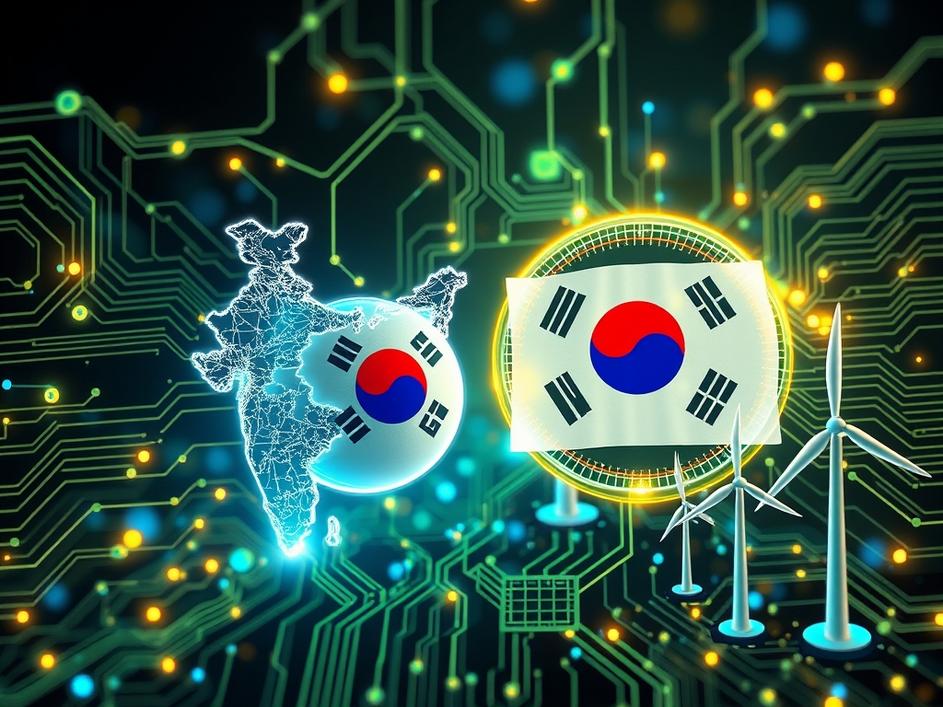
ToggleIndia and South Korea have been building strong ties for years, but now, their partnership is reaching a new level focused on technology. This collaboration goes beyond traditional trade and is shaping up to be centered on critical sectors like semiconductor manufacturing and green energy solutions. Both countries see this as a chance to boost their economies and secure a more sustainable future. The move also highlights how countries are realizing that working together on tech can bring bigger benefits than going it alone.
Semiconductors, or chips, are the backbone of all modern electronics—from smartphones to cars. India has been eager to increase its capabilities in this area so it can reduce dependence on imports and build a stronger domestic industry. South Korea is already a global player with companies like Samsung and SK Hynix leading the market. By teaming up, South Korea can bring its expertise and investment, while India offers a growing market and skilled workforce. This partnership has the potential to make India a bigger hub for chip manufacturing, which is crucial given the global chip shortage that has affected industries worldwide.
Alongside technologies in chips, the two countries are also focusing on green energy. Climate change and energy security are top priorities globally, and India and South Korea are no exception. They plan to collaborate on clean energy projects, including solar and battery technologies, that could help both nations reduce their carbon footprints. This isn’t just about helping the environment—it also means jobs, innovation, and new industries that can drive economic growth. Both countries share a need to transition their economies toward sustainability, and working together on green tech makes good sense.
What’s interesting is how this partnership fits into a larger regional and global context. India and South Korea are part of an interconnected supply chain that involves many countries in Asia and beyond. Strengthening their ties means they can better handle disruptions like the pandemic showed us or geopolitical tensions. Economically, India gets access to technology and funding, while South Korea benefits from expanding into one of the fastest-growing markets in the world. Both sides aim to complement each other rather than compete, which is a smart strategy in uncertain times.
That said, any close partnership comes with challenges. Building a semiconductor ecosystem from scratch is complicated and needs a lot of investment, infrastructure, and skilled talent. Both governments will need to work closely to create favorable policies and incentives. There’s also the question of how this cooperation will fit with global trade rules and relations with other big players like the US and China. However, if they manage these hurdles, this collaboration could set a new model for how countries work on tough tech challenges together. It could also inspire other nations to explore similar partnerships.
In the end, the India-South Korea partnership is a sign of how global relations are shifting toward practical, tech-driven collaboration. It’s less about politics and more about mutual benefits in innovation and sustainability. Watching this partnership develop will be interesting, especially as technology continues to shape how countries grow and compete. If they succeed, it’s possible we will see new industries rise, millions of new jobs, and stronger economic ties that go beyond just these two nations. For people watching the future of technology and international relations, this is definitely a story to keep an eye on.



Comments are closed