AI Steps Into History
Artificial intelligence often gets a bad rap, especially when linked to online scams or deepfake videos. But recently, a different kind of story has emerged—one where AI technology has been used to solve a decades-old mystery tied to World War II. A German historian turned to AI to finally uncover the identity of an infamous Nazi figure who slipped through the cracks of history. This shows how tech normally associated with trickery can actually help bring clarity to dark chapters of the past.
The Search for a Ghost
For years, historians have struggled to name some of the lesser-known Nazi operatives who managed to vanish after the war. Despite extensive archives and witness accounts, a few remained shadows, their true identities hidden by time and misinformation. The subject of this recent breakthrough was one such person. With photos and documents incomplete or conflicting, the historian decided to try AI-assisted image analysis combined with data cross-referencing. This approach opened doors that manual research alone couldn’t.
How AI Made the Difference
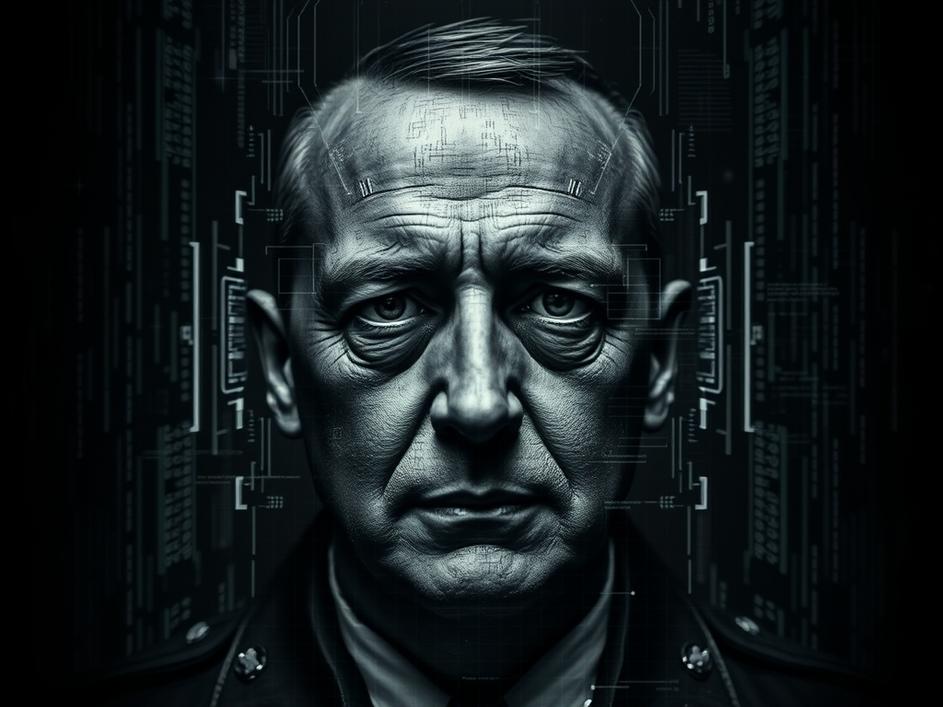
The AI system used was trained to identify faces and compare them against massive databases containing historical records and recent family archives. It’s a bit like digital sleuthing—scouring mountains of data quickly for any clues that fit. In this case, the machine learning algorithms could process decades of photos and handwriting samples, finding patterns unnoticed by humans. This narrowed down candidates, and after human verification, they finally matched the face to a real name—an individual infamous in Nazi circles but previously undocumented by name in postwar trials or literature.
What This Means for History
This identification not only adds a new name to the record but also raises questions about other cases still unresolved. It suggests that many historical mysteries could be closer to solved than we think, thanks to combining traditional investigation with new technology. However, it also reminds us to be cautious. AI can reveal much, but it requires careful oversight to avoid errors or biases. The historian’s careful cross-checking shows a responsible way forward—using AI as a tool, not a replacement for human judgment.
Looking Ahead: Technology and Truth
The power of AI to unearth forgotten or hidden facts about the past is promising. This example offers hope for bringing justice or closure, by clarifying who was involved in atrocities and where they went afterward. Meanwhile, it shines a light on how technology can help us understand complex histories better. But we have to remember, technology itself doesn’t solve moral questions—it just helps us see more clearly. The rest is up to us, as a society, to decide how to use that knowledge responsibly and ethically.
Conclusion: A New Chapter in Remembering
Using AI to identify a notorious Nazi figure is a reminder that history is not static. It evolves as new tools and information reshape our perspective. This case demonstrates how technology, when handled carefully, can help us confront uncomfortable truths and honor the victims by ensuring that perpetrators are not forgotten. It is a powerful example of how the past and future meet through innovation, with the goal of creating a more informed and just world. As we continue to advance, blending old stories with new methods could lead to many more revelations yet to be uncovered.






Comments are closed