Understanding the Streaming Schedule
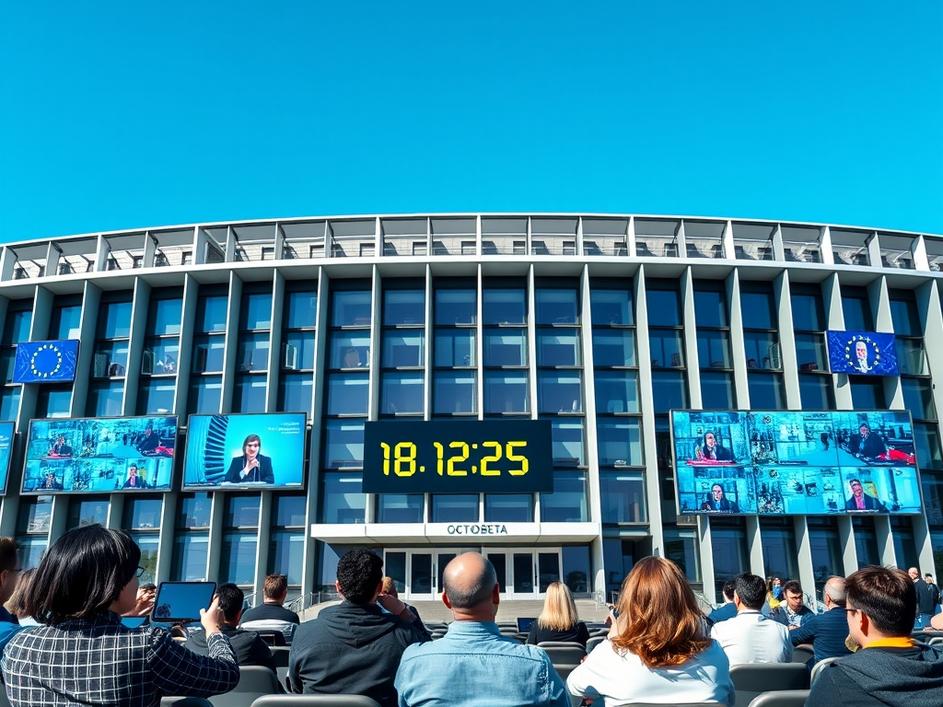
The European Parliament’s multimedia centre recently shared a detailed streaming agenda for October 18, 2025. This schedule outlines a variety of live events, debates, and committee sessions that European citizens and observers can follow in real time. The availability of these sessions online aims to enhance transparency and broaden public engagement in the European decision-making process. Having access to a clear timetable and link to streaming makes it easier for interested people to stay informed about what’s happening within the Parliament on any given day.
Why Streaming Matters for Democracy
One of the notable aspects of this agenda is how it reinforces the idea of open governance. The European Parliament is a key institution in shaping laws and policies affecting millions of people across member states. By providing streaming services, it lowers the barriers to access information, going beyond traditional news coverage. This kind of openness allows citizens not only to watch but also to understand debates directly from the source. It’s a small but important step toward making continental politics more approachable and less opaque.
What the Schedule Tells Us About Focus Areas
Looking at the planned events for October 18 reveals the Parliament’s immediate priorities. Sessions are organized around specific committees and plenary debates that highlight current challenges and policy themes. Although the agenda itself is a straightforward timetable, it reflects wider political dynamics. For example, topics could range from environmental regulations to digital privacy issues or economic strategies in a post-pandemic context. Watching the schedule, you get a snapshot of what the EU’s lawmakers consider urgent and significant at the moment.
How Easy Is It to Follow Along?
From a user’s perspective, the Multimedia Centre’s streaming platform is designed to be accessible. It offers multiple language options and clear navigation to find live streams and recorded sessions. This inclusiveness is important given the EU’s diversity. Yet, there’s always room to improve how content is presented or summarized for a broader audience that might not have technical knowledge. Still, for those willing to explore, this resource opens doors to direct information straight from the Parliament floor, bypassing intermediaries and media biases.
Reflecting on the Future of Political Engagement
Looking ahead, the European Parliament’s streaming service sets an example for how institutions can foster transparency. As digital tools continue evolving, such initiatives can become even more user-friendly and interactive. For instance, adding features like live commenting, expert analysis, or educational resources could enhance public involvement. At the same time, aware citizens might need to navigate a flood of information critically, distinguishing between official proceedings and opinions. In any case, having open access to political processes is a positive step toward a more engaged and informed society.
Conclusion: Access as the First Step
The streaming agenda from the European Parliament on October 18, 2025, illustrates the commitment to making European politics less distant from everyday citizens. The ability to watch live debates and committee meetings offers a peek behind the scenes of policy-making that affects millions. While the tool itself is straightforward—a schedule with streaming links—it represents a broader move toward transparency and openness. For democracy to thrive, access to information is essential, and this agenda helps move things in the right direction. The real challenge lies ahead in making this access meaningful and understandable for all.






Comments are closed