Background: Micron’s Complicated Journey in China
Micron Technology, one of the world’s leading memory chip manufacturers, has been navigating a rocky path in China. After a significant ban in 2023 that barred the use of its products in critical Chinese infrastructure, the company is now reportedly planning to end its supply of server chips to data centers in China altogether. This would mark a major pullback by Micron just two years after it initially settled issues related to the ban. The move signals mounting tensions and challenges for American chipmakers operating in China.
The Impact of Government Restrictions
The 2023 ban wasn’t a sudden decision; it was part of China’s broader push to reduce reliance on foreign technology in sensitive areas, especially in infrastructure. For Micron, this government action cut off a significant chunk of customers who depend on its chips to run their data centers. Even after reaching a settlement to lift some hurdles, the company seems to have struggled to regain its sales momentum. This tells a story about how geopolitical considerations can override market demands and disrupt business strategies.
What This Means for Micron
Shutting down supply to Chinese data centers can’t be an easy choice for Micron. China is one of the largest consumer markets for semiconductors globally. Pulling back or exiting affects revenue streams and long-term growth opportunities. It also raises questions about how the company will reposition itself amid increasing restrictions and the continuing trade tensions between the US and China. Micron will likely have to seek alternatives, either by focusing more on non-Chinese markets or accelerating investments in other regions.
Broader Industry Effects and Global Supply Chains
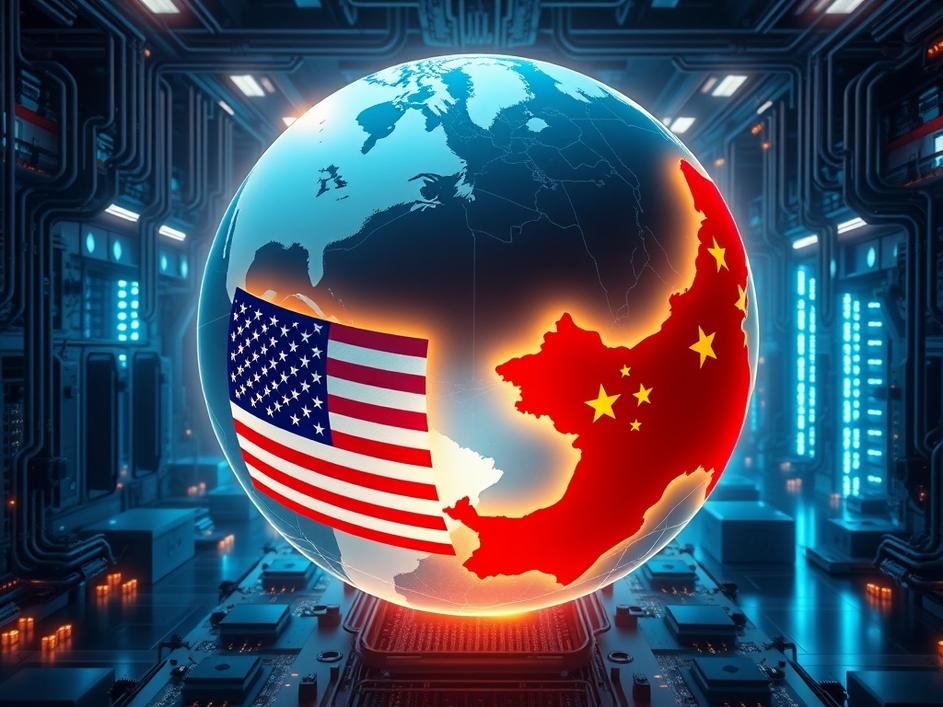
This development highlights a bigger issue for the semiconductor industry as a whole. The supply chain today is deeply global, and companies usually rely on open markets to thrive. But with rising nationalism and security concerns, chipmakers face tougher balancing acts. More restrictions and bans can force firms to fragment their supply chains, raise costs, and even slow innovation when collaboration becomes difficult. For China, while the move is to boost its own chip manufacturing capabilities, losing access to foreign tech can also be a setback for domestic data centers.
The Road Ahead: Will Micron or China Blink?
Both sides are in tricky spots. Micron wants to hold on to an important market, but it can’t easily operate where its products face uncertainty and limits. China wants to become more self-sufficient but still needs advanced technology for its infrastructure. Whether this leads to further decoupling or a new agreement down the line isn’t clear. For now, Micron’s potential exit speaks volumes about the growing challenges of doing business amid geopolitical rivalry. It’s a reminder that global technology markets are becoming more fragmented, and companies must be ready to adapt quickly.
Conclusion: Navigating a Divided Tech World
Micron’s situation in China is a sign of the times. What started as a commercial issue has become a geopolitical one. Chipmakers now operate in an environment where politics can shift market access overnight. For companies like Micron, the key will be flexibility and diversification to survive these pressures. At the same time, governments need to be mindful that over-restricting technology flows may slow progress for everyone involved. The chip industry’s story in China is far from over, but this chapter certainly shows how complicated and uncertain the global tech landscape has become.





Comments are closed