

We are a digital agency helping businesses develop immersive, engaging, and user-focused web, app, and software solutions.
2310 Mira Vista Ave
Montrose, CA 91020

2500+ reviews based on client feedback
What's Included?
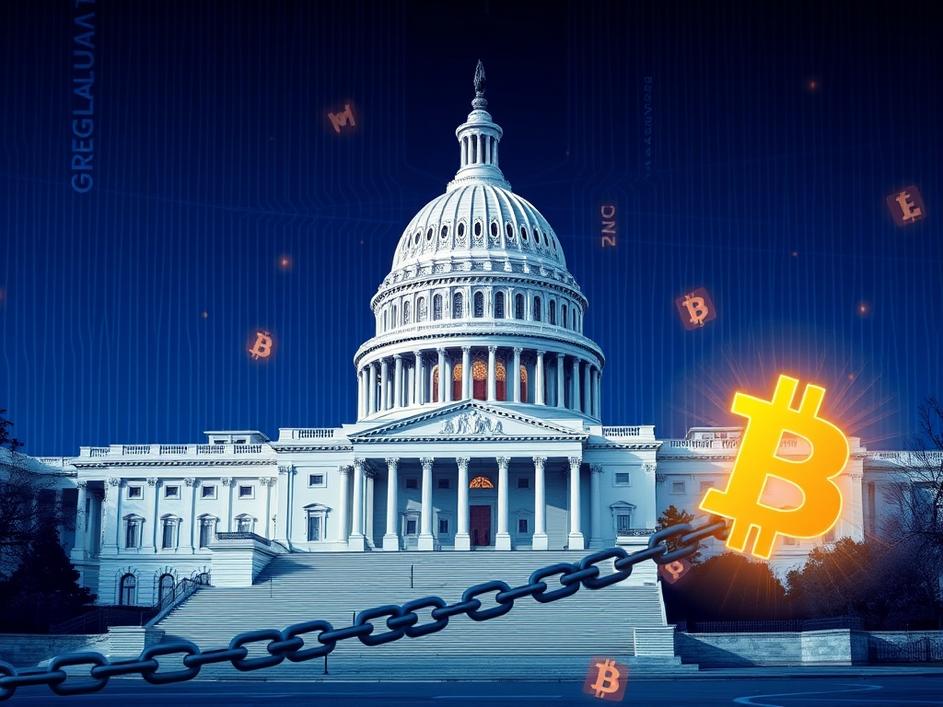
ToggleThe US has often been a leader in technology and finance, but when it comes to digital assets, it’s taken a backseat for far too long. While regions like the European Union were already moving forward with clear rules for cryptocurrencies and digital tokens, the US lagged behind, leaving the market in a bit of a grey zone. Now, it seems things are changing. Policymakers and regulators are waking up to the reality that digital assets aren’t just a passing trend—they’re here to stay and rapidly growing. This shift is happening at a crucial time, and it’s more than just catching up; it’s about setting a framework that can balance innovation with safety.
The US government’s newfound focus on digital assets is motivated by several factors. First, the rapid adoption of cryptocurrencies by everyday people and institutions alike means ignoring the space could expose the financial system to risks. Fraud, security breaches, and market manipulation are real concerns. Second, international competition plays a role. Countries like China are pushing ahead with their digital currencies, and the US doesn’t want to lose influence. Third, there’s increasing pressure from investors and businesses seeking clarity. Without clear guidelines, innovation is stifled, and companies are hesitant to fully commit or expand their digital asset offerings. So the recent regulatory moves, including clearer definitions and enforcement plans, are attempts to create order in a chaotic environment.
One of the toughest challenges in regulating digital assets is finding a balance between encouraging innovation and protecting consumers. If the rules are too strict or vague, startups and innovators could be pushed out, slowing progress. If they’re too loose, it leaves people vulnerable and could harm the broader economy. The US seems to be aiming for a middle ground. Agencies like the Securities and Exchange Commission (SEC) and Commodity Futures Trading Commission (CFTC) are working to clarify their roles. There’s been talk about creating a federal framework for digital assets to avoid a patchwork of conflicting state laws. This could make it easier for companies to operate nationwide and for users to trust the system. Still, critics worry that too much regulation might kill innovation before it fully blooms.
The US isn’t starting from scratch. Watching how the EU and other countries handle digital asset regulation offers valuable lessons. The EU has introduced the Markets in Crypto-Assets (MiCA) regulation, which aims to provide clear rules while fostering innovation. These international developments show that digital assets need thoughtful policies that adapt quickly to technological changes. The US can avoid some mistakes by analyzing what works elsewhere and steering away from overly restrictive moves that might push businesses overseas. Coordination with global regulators will also be important since digital assets cross borders easily. The message is clear: digital asset regulation should be a cooperative effort, not a fragmented mess.
The renewed seriousness around digital assets in the US marks a turning point. For consumers, it could mean safer options and better protections. Investors might get clearer guidance on what’s legal and risky, reducing uncertainty. For businesses, the chance to operate under reliable rules could spur more innovation and attract more investment. But the path ahead remains complex. As regulations roll out, the balance will need constant adjustment to keep pace with new technologies and market changes. The US’s approach will likely have a huge impact globally, given its market size and influence. Watching how this story unfolds is key for anyone involved with digital assets. In the end, responsible regulation that supports growth rather than stifles it is what the industry and the public need most.
The US stepping up to regulate digital assets is a necessary, long-overdue development. It shows a growing recognition that digital assets are more than financial curiosities—they’re a foundational part of the future economy. The challenge lies not just in creating rules but in doing so thoughtfully, transparently, and with input from all stakeholders. If done well, this shift could lead to a more secure financial ecosystem that encourages innovation and protects everyone involved. It’s an evolving landscape, and while there’s no perfect formula yet, the US finally getting serious is a sign things are moving in the right direction.



Comments are closed