What Radar 5 Brings to the Table
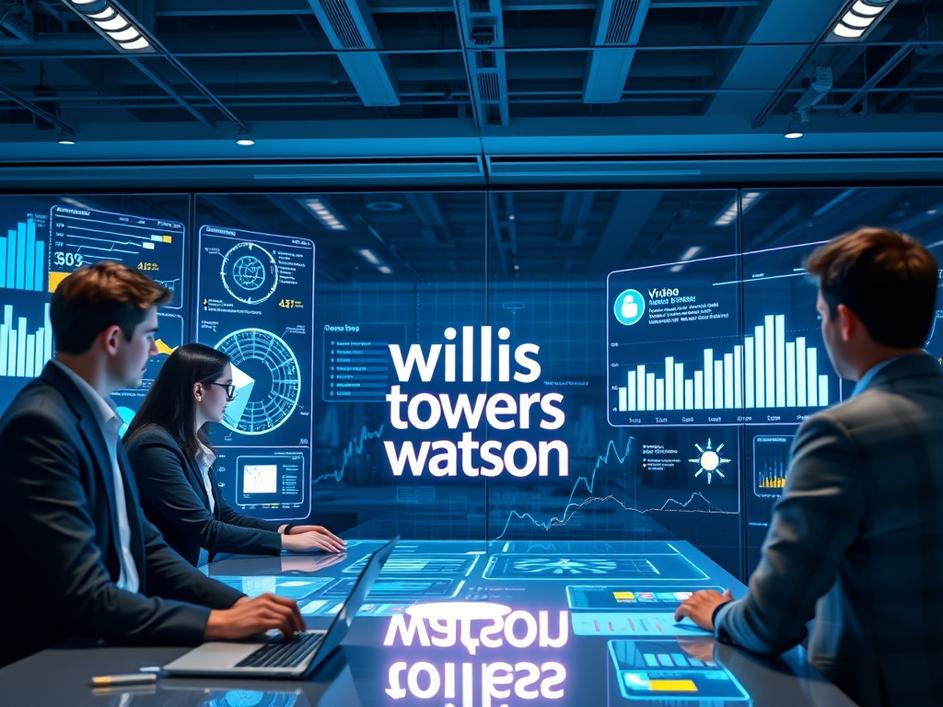
Willis Towers Watson (WTW) has taken a bold step by launching Radar 5, a platform combining generative AI technology with its existing risk and analytics capabilities. The move reflects how the company wants to stay ahead in an industry that’s fast changing due to technological advances. Radar 5 isn’t just another tool; it aims to provide deeper insights, faster analysis, and better decision-making support across WTW’s services, from insurance broking to consulting. The generative AI aspect suggests a shift toward more dynamic, self-improving systems that can help clients address complex problems with fresh perspectives.
How This Could Affect WTW’s Market Position
The insurance and risk management sector is competitive, with many firms trying to figure out how to use AI wisely. Radar 5 could give Willis Towers Watson an edge by improving the efficiency of their workflows and boosting the accuracy of risk assessments. If clients see consistent value through smarter solutions, WTW could strengthen long-term relationships and attract new business. It also positions the company as an innovative player willing to experiment with new tech, something investors and partners often look for.
Challenges and Considerations on the Path Forward
However, rolling out AI-powered tools isn’t without hurdles. Getting the data right and ensuring the AI runs fairly is hard work. There’s a risk the system could generate misleading or biased outputs if not carefully supervised. WTW will need ongoing investment in quality control, security, and user training. Plus, there’s the challenge of convincing traditional clients to trust AI-generated insights over human judgment. The success of Radar 5 depends on how well the company manages these practical issues alongside the technological advancements.
Broader Impact on Willis Towers Watson’s Business Model
Looking beyond the tech, Radar 5 could influence how Willis Towers Watson organizes its services and expertise. With AI handling more basic analysis and data crunching, human consultants might shift focus toward more strategic and creative work. This change could improve productivity but also requires rethinking staff roles and training. WTW may also explore new product lines or pricing models based on AI-enhanced offerings. The ability to adapt internally to these changes will determine whether Radar 5 strengthens their long-term outlook or just adds another tool that’s hard to integrate.
What This Means for Clients and the Industry
For clients, this development holds promise for getting faster, more personalized advice supported by AI’s pattern recognition power. It could mean quicker responses during crises and better anticipation of future risks. At the same time, it raises questions about how much tech reliance is too much and what safeguards are in place. WTW will need to balance innovation with transparency and trust, or clients might hesitate despite the technical benefits. This balance could shape how other companies deploy AI in financial services too, potentially affecting the entire industry’s approach to digital transformation.
In summary, Radar 5 represents a significant step by Willis Towers Watson into AI-powered solutions. It offers a chance to enhance the company’s capabilities and client relationships. But success will come down to how thoughtfully and carefully they integrate this technology into their existing strengths. If done right, it could secure a stronger foothold in a shifting market and help WTW navigate future challenges with greater confidence.





Comments are closed