

We are a digital agency helping businesses develop immersive, engaging, and user-focused web, app, and software solutions.
2310 Mira Vista Ave
Montrose, CA 91020

2500+ reviews based on client feedback
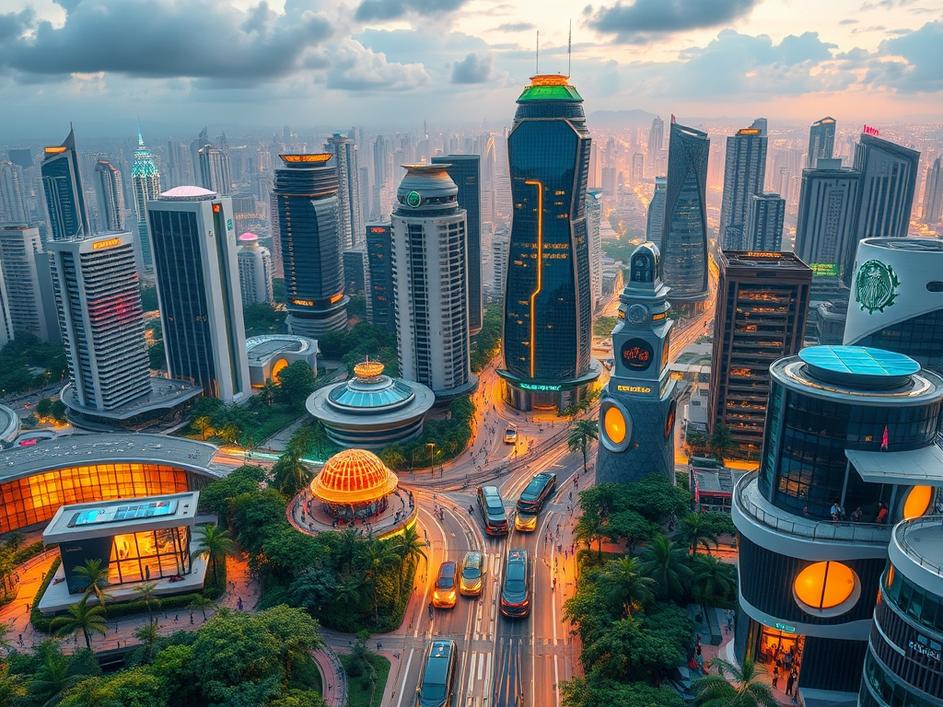
When we talk about the big shifts in the global tech world, a lot of eyes usually turn to places like Silicon Valley, China, or even India. But there’s a quiet, powerful hum getting louder in another part of the world: Southeast Asia. Experts are pointing to this region as a major player in the coming years, especially with the way artificial intelligence is changing everything. It’s not just about flashy startups; it’s about the deep, fundamental changes happening that make places like Vietnam, Indonesia, and the Philippines incredibly important. Think about it: AI needs a lot of things to grow, and Southeast Asia seems to have many of those things, or at least the potential to build them fast. This isn’t just some passing trend; it feels like the region is stepping into a spotlight it’s earned, driven by real needs and big opportunities.
What's Included?
ToggleOne of the biggest, often overlooked, parts of the AI boom is how much power it uses. Running all those complex algorithms, training huge models, and keeping data centers humming takes an enormous amount of electricity. This demand is only going to grow, and it puts a spotlight on places that can reliably produce and deliver that energy. Southeast Asia is seeing a huge need for new energy infrastructure. Many countries there are already growing fast, meaning more people and businesses need power. Adding the intense energy demands of AI data centers just ramps up this need even more. But this challenge also creates a massive opportunity. It means big investments in power generation, distribution, and crucially, in renewable energy sources. Imagine vast solar farms, wind parks, or advanced geothermal projects springing up to fuel the next generation of AI. These projects not only support the tech sector but also help these nations develop cleaner, more sustainable energy systems for their own citizens. It’s a win-win situation if handled well, positioning the region as a hub not just for AI, but for the green energy that powers it.
The past few years have taught global businesses a hard lesson about relying too much on one or two places for their products. Things like pandemics, trade disputes, and even natural disasters have shown how quickly supply chains can break. Because of this, many companies are looking to spread out their manufacturing and sourcing. They want to make their supply chains stronger and less risky. Southeast Asia steps in here as a really attractive option. The region offers a mix of lower labor costs, growing manufacturing capabilities, and strategic locations. Countries like Vietnam, Thailand, and Malaysia have already proven their ability to produce a wide range of goods, from electronics to textiles. Now, with companies actively trying to ‘reoptimize’ where they get their goods from, Southeast Asia is becoming an even more important choice. This shift isn’t just about moving factories; it’s about building entire ecosystems of suppliers, logistics, and skilled workers that can handle the complex demands of today’s global economy. This influx of manufacturing and logistics activity naturally brings more tech, more automation, and more digital solutions to the region, boosting its tech sector even further.
Beyond the big-picture economic trends, there’s a more fundamental reason why Southeast Asia is buzzing with tech potential: its people. The region has a very young population, with a large percentage of people under 30. These are digital natives, comfortable with smartphones, social media, and online services. They are quick adopters of new technologies, creating a massive consumer base for digital products and services. Think about the explosion of e-commerce, ride-hailing apps, and online banking across countries like Indonesia and the Philippines. This young, tech-savvy demographic isn’t just consuming tech; they’re also building it. We see a growing number of local startups tackling local problems with innovative solutions. There’s a real entrepreneurial spirit, often fueled by personal experience and a drive to improve daily life. Governments are also recognizing this potential, investing in digital infrastructure and supporting tech education. This combination of a large, eager user base and a rising wave of local talent creates a fertile ground for tech growth that goes beyond just AI or supply chain changes.
Of course, no journey to success is without its bumps. While Southeast Asia is full of potential, it also faces some challenges. Things like ensuring reliable internet access in remote areas, developing enough skilled tech talent to meet demand, and creating clear, consistent rules for businesses can be tricky. Infrastructure, while improving, still needs a lot of investment in some places. There’s also the challenge of competing with more established tech hubs for investment and talent. However, these challenges are often just opportunities in disguise. For example, the need for better digital infrastructure means chances for companies specializing in telecoms or rural connectivity. The demand for skilled tech workers drives investment in education and training programs, which helps the entire population. As the region continues to grow and attract more attention, these issues will likely get solved, often through smart local innovation. The very act of overcoming these hurdles will make the tech sector in Southeast Asia even stronger and more resilient in the long run.
So, when a venture capitalist talks about Southeast Asia being ‘primed with opportunity,’ it’s not just a catchy phrase. It points to a deep, structural shift happening in the global economy. The region is becoming a central hub, not just for manufacturing, but for the essential infrastructure and human talent that power the future of technology. From the hungry demand for energy that AI creates, to the global push for more robust supply chains, and the vibrant, young populations eager to embrace digital life, all signs point to Southeast Asia playing a much bigger role in shaping where tech goes next. This is a moment where the world is watching, and the region is ready to deliver.



Comments are closed