Keeping Up with Change
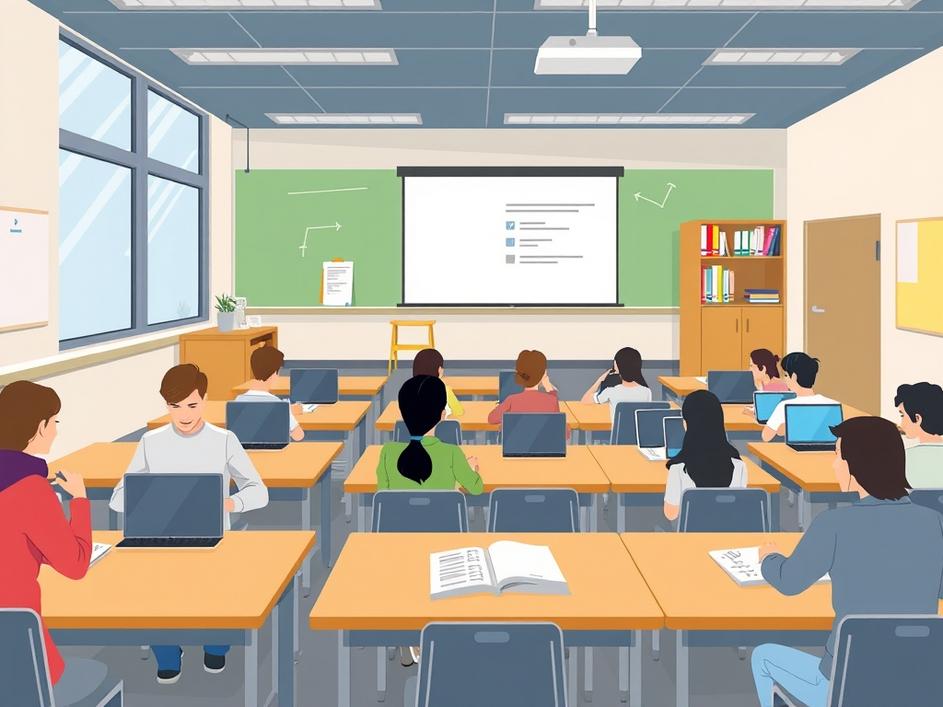
The landscape of education is constantly shifting, shaped by advancements in technology. Schools and universities are no longer just about textbooks and lectures. Today, screens, apps, and online platforms play an integral role in how students learn. The COVID-19 pandemic accelerated this change, making remote learning not just an alternative but a norm. Technology is now a fundamental part of education, leading many to wonder: what’s next for the classroom?
The Rise of Online Learning
Online courses were already on the rise before 2020, but the pandemic pushed them to the forefront. Institutions quickly transitioned to virtual learning, and students adapted surprisingly well. With a variety of platforms available, learners can access courses from anywhere in the world. This flexibility makes education more accessible than ever before. However, this raises questions about the effectiveness of online versus in-person learning.
Hybrid Models and their Benefits
Many educators believe that the future will embrace a hybrid model, combining traditional classroom settings with online elements. This approach allows teachers to leverage the best of both worlds. Students can receive personalized attention while also enjoying the flexibility of online resources. It’s a balance that could cater to diverse learning needs, although it also demands more from educators in terms of training and adapting curriculum.
The Importance of Digital Literacy
As technology becomes central to education, the need for digital literacy grows. Students must learn not just to use technology but to navigate it wisely. This means understanding how to evaluate online resources, maintain their digital footprint, and protect themselves in a virtual world. Schools now face the challenge of incorporating these skills into their curriculums. If we want students to thrive in the tech-driven job market, we need to equip them with the necessary skills.
Looking Ahead
So, what does the future hold? It’s easy to speculate about new technologies like virtual reality or artificial intelligence in education. However, the focus should be on how these tools can genuinely enhance learning. Investing in teacher training and providing support is essential if we want to see meaningful progress. Technology shouldn’t be seen as a replacement for educators but as a tool that can complement their teaching methods.





Comments are closed