

We are a digital agency helping businesses develop immersive, engaging, and user-focused web, app, and software solutions.
2310 Mira Vista Ave
Montrose, CA 91020

2500+ reviews based on client feedback
What's Included?
ToggleBreast cancer. Just hearing the words can send a shiver down anyone’s spine. It’s a disease that touches so many lives, impacting families, friends, and communities around the globe. While we’ve made incredible strides in treatment over the years, the real power often lies in something simpler: catching it early. The sooner doctors find a problem, the better the chances are for a full recovery. But here’s the tough part: traditional screening methods, while vital, aren’t always perfect. They can sometimes miss small, tricky tumors, or flag things that turn out to be nothing, leading to a lot of worry and extra tests. This constant push-and-pull, the race against time and the quest for clearer answers, drives so much of the innovation we see in medicine today. And right now, a powerful new ally is stepping into the ring: artificial intelligence, or AI.
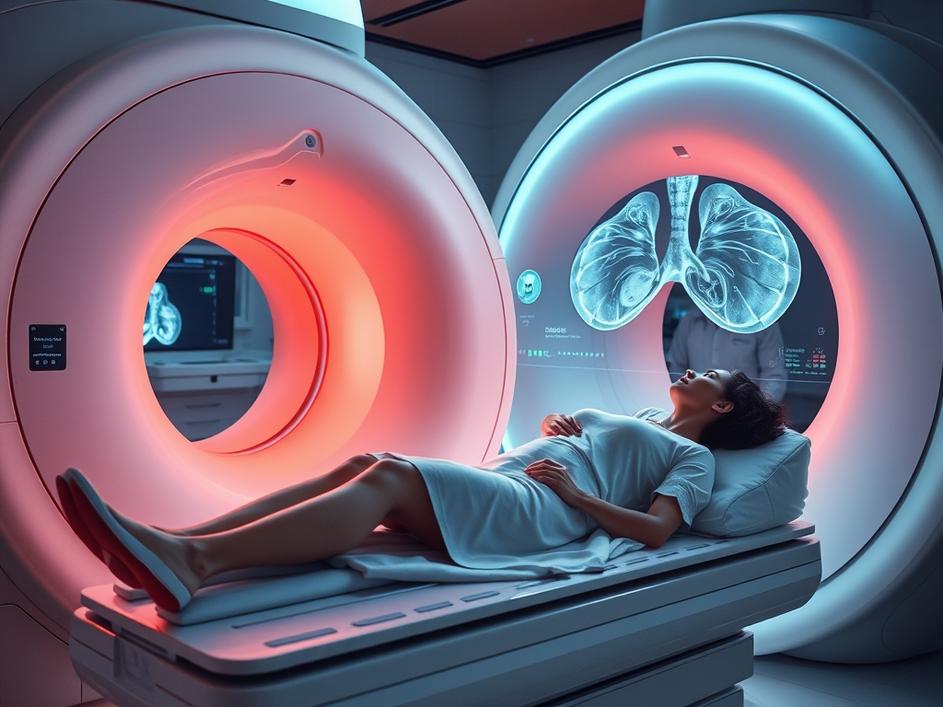
For a long time, medical imaging—like X-rays, CT scans, and MRIs—has relied heavily on highly skilled human eyes. Radiologists spend years training to spot tiny anomalies in complex images. They are truly amazing at what they do. But even the best human eye can get tired, or overlook something subtle when faced with hundreds of images a day. This is where AI starts to shine. Imagine a computer program that has ‘looked’ at millions of medical images, learning what healthy tissue looks like and, crucially, what early signs of disease look like. It can process information at speeds no human can match, and it doesn’t get tired. It’s not about replacing doctors, but about giving them a super-powered assistant. AI can highlight suspicious areas, act as a second opinion, and help doctors focus their attention where it’s most needed, making the whole process faster and more accurate.
Now, let’s talk about how this big idea is being put into practice. Companies like Izotropic Corporation are at the forefront of this shift, specifically in breast cancer detection. They’re working on advanced imaging systems that go beyond the typical flat, 2D pictures we often associate with mammograms. Think about it: a standard mammogram gives you a two-dimensional view of a three-dimensional breast. It’s like trying to understand a whole house from looking at a single blueprint. Dense breast tissue can also make it really hard to see tumors because they can hide behind healthy tissue. Izotropic’s approach involves a 3D breast CT scanner that aims to give doctors a much clearer, complete view. When you combine this advanced 3D imaging with AI, you get a powerful combination. The AI can sift through these detailed 3D images, pinpointing areas that might need a closer look, potentially identifying cancers earlier and with greater precision than ever before. This could mean fewer uncomfortable ‘squish’ mammograms, fewer callbacks for false alarms, and, most importantly, quicker, more accurate diagnoses.
It’s easy to get caught up in the technical details of AI and 3D imaging, but let’s remember what this truly means for people. For a patient, a clearer, earlier diagnosis isn’t just a medical term; it’s a lifeline. It means less uncertainty, less time spent waiting in fear, and potentially less aggressive treatments down the line if the cancer is caught at an earlier, more manageable stage. Imagine the relief of knowing you have a tool that significantly reduces the chance of a missed diagnosis. This isn’t just about saving lives, though that’s paramount; it’s also about improving the quality of life for those affected by breast cancer. It can reduce the emotional toll on patients and their families, streamline healthcare processes, and free up resources for other critical areas. The financial burden of late-stage cancer treatment is also immense, so investing in early detection technologies like this also makes good economic sense for healthcare systems worldwide.
My take on all this is simple: we are witnessing a remarkable evolution in medical care. The pairing of advanced imaging with AI isn’t just a fleeting trend; it’s a foundational shift in how we approach diagnosis. While Izotropic is a prominent player in this space, they represent a broader movement towards more precise, personalized medicine. Of course, bringing these technologies to every clinic and hospital takes time. There are regulatory hurdles, costs to consider, and the need for ongoing research and validation. But the promise is undeniable. We’re moving towards a future where diagnostic tools are not only more powerful but also more accessible and comfortable for patients. The goal is to move beyond reacting to disease and instead proactively identify and address health challenges much earlier, making a real difference in countless lives. It’s an exciting time to watch medical science push these boundaries.
Ultimately, the story of Izotropic and other companies like it isn’t just about cutting-edge tech; it’s about hope. It’s about taking the fight against a formidable disease and arming ourselves with smarter, faster, and more accurate tools. The journey to eradicate breast cancer is long and complex, but with every step forward in technology, especially those driven by the intelligence of AI, we move closer to a future where early detection is the norm, and the outlook for those diagnosed is significantly brighter. This constant innovation is a powerful reminder that human ingenuity, when focused on critical health challenges, can truly change the world for the better, one clearer image and one saved life at a time.


Comments are closed