

We are a digital agency helping businesses develop immersive, engaging, and user-focused web, app, and software solutions.
2310 Mira Vista Ave
Montrose, CA 91020

2500+ reviews based on client feedback
What's Included?
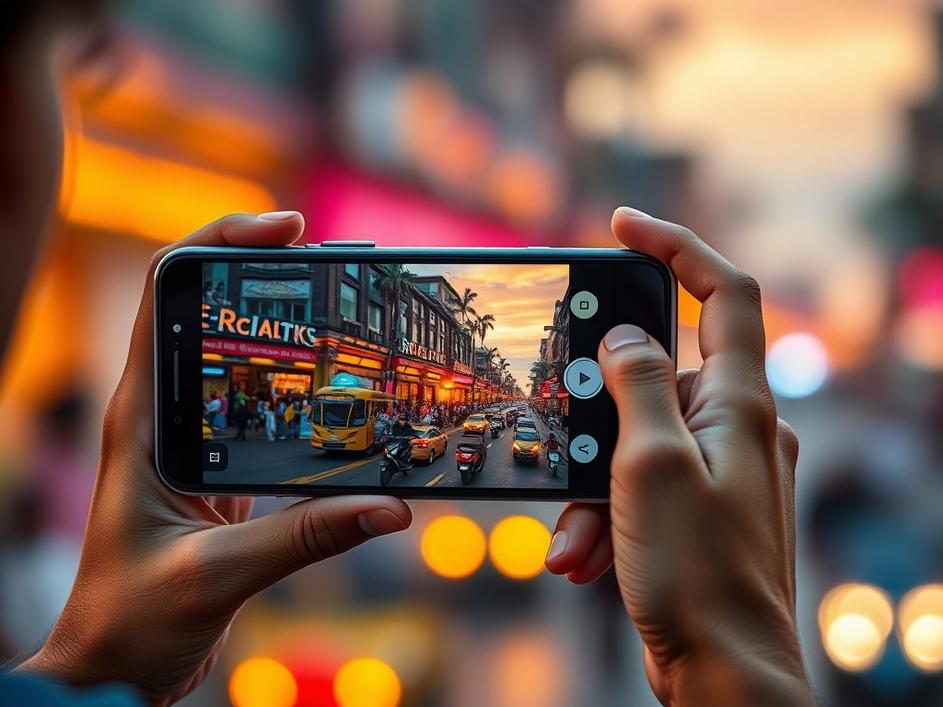
ToggleThink back a few years. If you wanted a phone that could snap truly amazing pictures, or record video that didn’t look like it was shot on a potato, you pretty much had to shell out big bucks. We’re talking top-tier flagship phones, often costing upwards of ₹50,000 or even ₹70,000. For most of us, that was a huge chunk of change, making those “pro-level” camera features feel completely out of reach. But fast forward to 2025, and things have changed dramatically. The smartphone landscape, especially in India, has seen an incredible shift. Now, getting a phone that can capture beautiful photos and crisp 4K video doesn’t mean emptying your savings account. The sweet spot has moved, and it’s landed firmly in the sub-₹30,000 category. This isn’t just a slight improvement; it’s a genuine revolution in accessible photography, bringing features once reserved for the elite right into the hands of everyday users. It’s exciting because it means more people can tell their stories visually, without the old financial barrier.
So, what exactly happened? How did phones that cost less than ₹30,000 suddenly become so good at photography? It’s a combination of a few key things. First, technology has a way of trickling down. What was bleeding-edge in a flagship phone two or three years ago is now standard in a mid-range device. This means better camera sensors, more advanced lens setups, and importantly, features like Optical Image Stabilization (OIS) which helps keep your photos and videos steady, even if your hands aren’t. But it’s not just about the hardware. A huge part of this improvement comes from software. Phone makers are pouring a lot of effort into computational photography. This is where the phone’s brain works overtime, taking multiple shots in a split second and combining them to create one perfect image. It helps with tricky lighting, improves dynamic range (the difference between the brightest and darkest parts of a photo), and makes colors pop. This means even if a mid-range phone’s sensor isn’t quite as big as a flagship’s, its clever software can often make up the difference, giving you stunning results that feel much more expensive than they are. It’s like having a tiny, intelligent photo editor built right into your phone, working its magic every time you tap the shutter button.
For a long time, phone brands tried to sell us on megapixels. “More megapixels mean better photos!” they’d shout. And while a certain number of megapixels is good, it’s actually far from the whole story. In 2025, when you’re looking at a phone in this affordable segment, you want to look past just that big number. What truly makes a camera phone great now is a blend of different technologies working together. Things like the size of the sensor itself – a bigger sensor can capture more light, leading to better low-light shots. Then there’s the image processing engine, which is the phone’s brain interpreting all that light data and turning it into a photo. This is where features like AI come in, helping to recognize scenes, adjust settings automatically, and even enhance faces. We’re also talking about dynamic range, which ensures your bright skies aren’t completely blown out and your shadowy areas still have detail. And for video, effective stabilization is key, whether it’s OIS or advanced electronic stabilization. So, instead of getting hung up on a 108MP camera versus a 64MP one, think about the overall package: how well it handles different lighting, how vibrant the colors are, and how steady your videos look. These are the details that separate a good camera phone from a truly great one, even at an affordable price point.
The rise of these affordable yet powerful camera phones is fantastic news for a wide range of people. If you’re someone who just wants to capture everyday moments – family gatherings, a beautiful sunset, your pet doing something funny – without fuss, these phones are perfect. You don’t need complicated settings; just point and shoot, and you’ll get great results. But the benefits extend much further. For students on a tight budget who still want to document their college life or create engaging content for social media, these phones are a godsend. Budding content creators, vloggers, and even small business owners who need to take quality product photos or create short promotional videos can now do so without investing in expensive dedicated cameras. Travelers can leave their bulky cameras at home, knowing their phone can handle landscapes, portraits, and fast-paced city life with ease. It’s all about making high-quality visual storytelling accessible to everyone, not just those with deep pockets. This democratization of good camera tech means more diverse voices and perspectives can be shared, which is a win for all of us who enjoy visual content.
With so many excellent options now available under ₹30,000, how do you pick the right one for you? It can feel a bit overwhelming, but focusing on what matters most to *your* specific needs can simplify the process. First, don’t just look at spec sheets. Read reviews from real users and trusted tech sites. Watch video samples and look at photo galleries taken with the actual phone. Pay close attention to how the phone performs in conditions you’ll actually use it in – if you often take photos at night, look for phones with strong low-light performance. If you shoot a lot of video, check out the stabilization and audio quality. Think about your use case: are you mostly taking still photos, or is video a big priority? Do you need a wide-angle lens for landscapes, or a good telephoto for zoom? Also, consider the overall phone experience. A great camera is useless if the battery dies quickly or the phone is too slow to use. So, look at battery life, processing power, and even the display quality, as you’ll be viewing your masterpieces on it. Ultimately, the “best” camera phone is the one that fits your lifestyle, your photographic habits, and your budget perfectly. It’s about finding the right balance of features that genuinely enhance your picture-taking experience, without paying for things you’ll never use.
It’s truly an exciting time to be a smartphone user, especially if you love taking photos and videos. The idea that you needed to spend a fortune to get a truly capable camera in your pocket is, thankfully, a thing of the past. The sub-₹30,000 segment in 2025 isn’t just about affordability; it’s about delivering genuinely impressive photographic capabilities that were unimaginable at this price point just a few years ago. From advanced sensors and robust optical stabilization to incredibly smart computational photography, these phones are packing serious punches. This shift makes high-quality visual storytelling accessible to everyone, empowering more people to capture their world, share their experiences, and express their creativity without financial constraints. So, if you’ve been holding back on upgrading your phone because you thought a good camera was out of your budget, it’s time to take another look. Your next best camera might just be more affordable, and more powerful, than you ever imagined.



Comments are closed