

We are a digital agency helping businesses develop immersive, engaging, and user-focused web, app, and software solutions.
2310 Mira Vista Ave
Montrose, CA 91020

2500+ reviews based on client feedback
What's Included?
ToggleWe all know Rivian for their cool electric trucks and SUVs. They’re rugged, they’re green, and they’ve definitely made a mark in the world of electric vehicles. But what if I told you Rivian is quietly, or perhaps not so quietly, making a big push into a different kind of electric transport? We’re talking about e-bikes. Yes, the company known for big, powerful electric adventure vehicles is now betting big on something much smaller, much lighter, and potentially, just as impactful. This isn’t just a side project or a quirky experiment; it’s a serious move, hatched from what started as a hidden division, to change how we think about getting around every single day. And the goal? To get you to swap out your car keys for a helmet and a pedal-assist ride.
This whole e-bike venture has its roots deep inside Rivian. It started back in 2022 as a kind of ‘skunkworks’ division, a secret project called ALSO. Think of it like a small, focused team given the freedom to innovate away from the main company’s day-to-day. What’s really telling about Rivian’s commitment to this idea is how fast ALSO has grown. In just a couple of years, this internal startup has more than doubled its team, swelling from around 70 people to over 150. That kind of growth isn’t just for a minor product; it signals a major investment and belief in the potential of e-bikes. It shows they’re not just dipping a toe in the water; they’re diving in headfirst, bringing serious engineering muscle and design chops to the table. This isn’t about selling a few bikes; it’s about establishing a real presence in a rapidly expanding market.
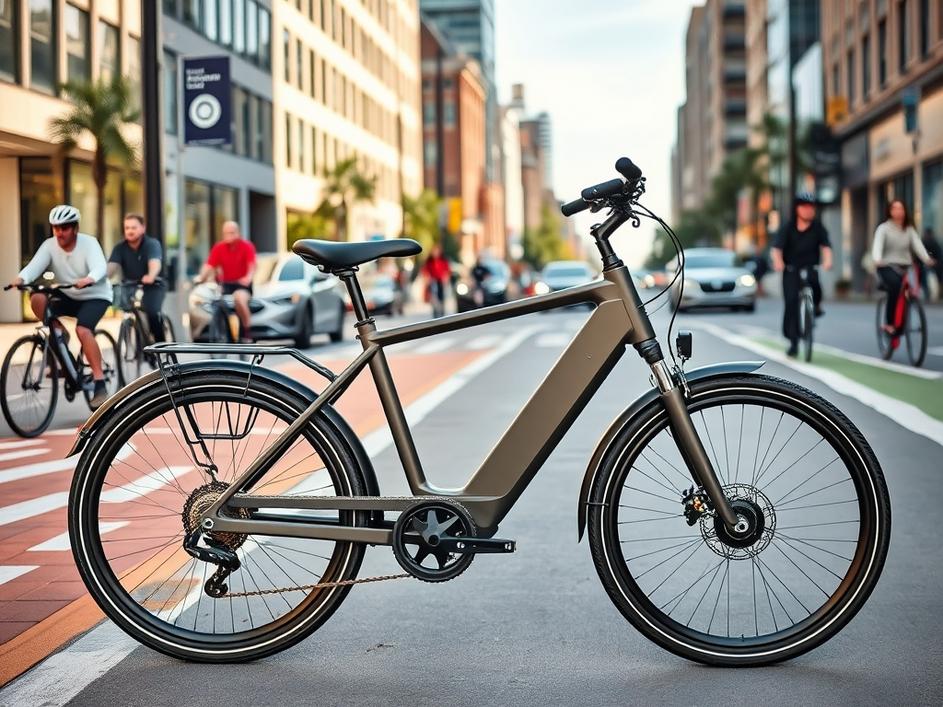
The big, bold claim here is that these e-bikes are trying hard to replace your car. Now, for most people, the idea of completely ditching their car might sound a bit extreme. But let’s be realistic. For many daily trips—think commutes to work, quick runs to the grocery store, dropping kids off at school, or grabbing coffee—a full-sized car can feel like overkill. It’s often stuck in traffic, hard to park, and expensive to fuel up and insure. This is where the e-bike comes in. With an electric assist, those hills aren’t so scary, and longer distances feel manageable. You can carry more groceries than on a regular bike, and you often get there faster than in a car stuck in gridlock. For city dwellers and those in densely populated suburbs, an e-bike isn’t just an alternative; it can be a smarter, quicker, and much more enjoyable way to move. Rivian isn’t saying everyone will sell their SUV, but they are aiming to capture a significant chunk of our daily driving habits, and honestly, it’s a vision that makes a lot of sense.
So, what does Rivian bring to the e-bike party that’s different? They’re not just another bike company. They have a deep understanding of electric powertrains, battery tech, and vehicle design from their EV experience. This isn’t about slapping a motor on a standard bike frame. It’s about designing an e-bike from the ground up with the same thoughtfulness and engineering rigor they apply to their trucks. We can expect intelligent battery management, robust construction, and perhaps even some clever features that connect to the broader Rivian ecosystem. Think about things like integrated cargo solutions, advanced lighting, or even a design language that feels distinctly ‘Rivian.’ Their background in outdoor adventure vehicles also suggests these e-bikes might be built for more than just flat city streets; they could be designed for reliability and capability, able to handle different terrains and weather conditions, making them truly useful for diverse lifestyles. They’re not just building bikes; they’re building a piece of the future of personal transport, informed by their expertise in electric mobility.
Of course, making e-bikes a mainstream car replacement isn’t without its challenges. We need better urban infrastructure, like more dedicated bike lanes and secure parking. Weather is always a factor for outdoor transport, and carrying large loads can still be tricky, though e-bikes are getting much better at this. But the opportunities far outweigh these hurdles. The e-bike market is exploding globally, driven by environmental concerns, rising fuel costs, and a desire for healthier, more active lifestyles. Rivian, with its strong brand and focus on sustainable, practical innovation, is perfectly positioned to capture a big piece of this growing pie. By approaching e-bikes with a ‘vehicle’ mindset rather than just a ‘bicycle’ mindset, they could create a product that’s not only fun to ride but also truly functional enough to integrate seamlessly into daily life. It’s a bold experiment, but one that could fundamentally shift how many of us navigate our daily routines, making our towns and cities greener, quieter, and more active.
In the end, Rivian’s e-bike venture, ALSO, isn’t just about adding another product to their lineup. It’s a visionary bet on the future of personal mobility, a recognition that the best solution isn’t always the biggest or most powerful one. Sometimes, the most impactful change comes on two wheels, powered by a battery and a bit of human effort. It’s about giving us real choices that align with a more sustainable and efficient way of living. And if a company known for electric trucks can convince us to embrace pedal power, that’s a sign that the future of transport is indeed heading in a very interesting direction.



Comments are closed