In recent months, discussions surrounding climate policies have intensified, prompting a wave of reactions across various communities. The drive towards more environmentally friendly initiatives has resulted in significant measures being proposed. While some celebrate these changes as necessary steps towards a sustainable future, others express apprehension about their immediate implications on local economies and daily lives.
The Challenge of Balancing Economy and Environment
For many towns and cities, the introduction of new environmental regulations can feel like a double-edged sword. On one hand, they promise a healthier planet and a reduction in carbon footprints. On the other hand, businesses, especially small local ones, often worry about how these changes will affect their operations. The struggle lies in finding a balance. Communities that rely heavily on industries like manufacturing or agriculture might face pressure to adapt quickly, which can strain their economic resources.
A Community’s Response to Change
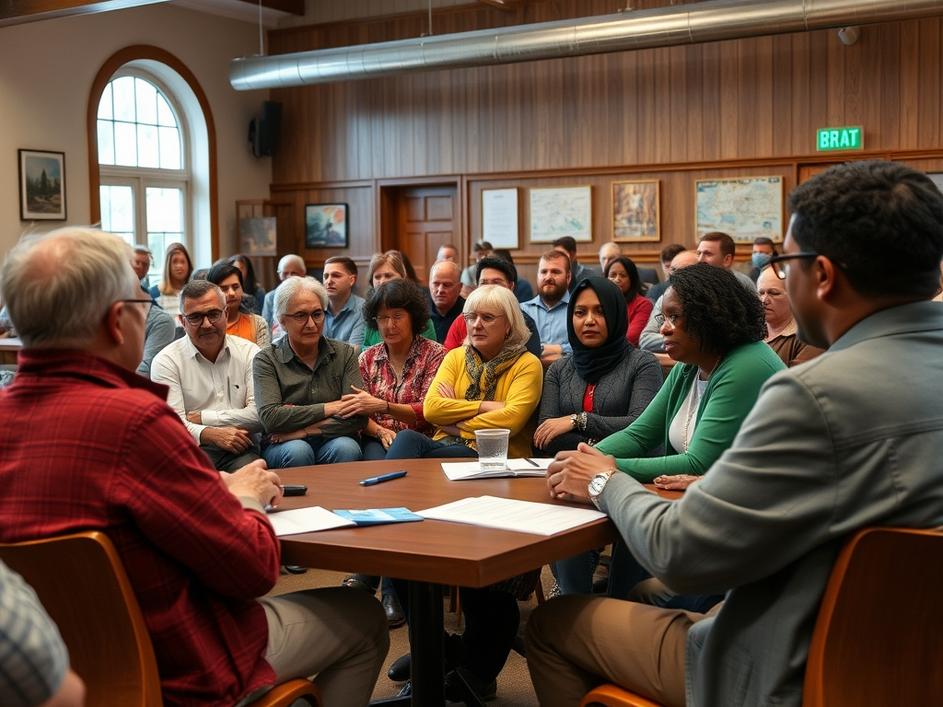
As climate policies advance, many communities are rallying together to tackle the challenges head-on. Town hall meetings, forums, and discussion groups are popping up, giving residents a platform to voice their concerns or support. These gatherings have shown that when people come together, they can form creative solutions and even propose alternatives to proposed regulations that might help mitigate financial strain while still promoting environmental benefits.
The Importance of Local Voices in Policy Making
One of the most notable aspects of this movement is the emphasis on grassroots involvement. Local governments are starting to realize that the best policies are those that incorporate the voices of their constituents. By listening to the unique needs and challenges of each community, policymakers can craft regulations that are more equitable and effective. It’s a reminder that environmental protection doesn’t have to come at the cost of local livelihoods; instead, it can be integrated into economic growth.
Looking at Successful Models
Several regions have begun to flourish by embracing sustainability while still boosting their economies. Places that have invested in green technology and renewable energy often report job growth in emerging sectors. For instance, communities transitioning from fossil fuels to solar or wind energy have seen a surge in jobs related to installation, maintenance, and research. These success stories provide hope and a roadmap for those wary of change, illustrating that a greener approach to policy can indeed be compatible with economic progress.
What Lies Ahead
As we move forward, it’s crucial that communities remain engaged in the conversation about climate policy. The stakes are high, and so is the potential for positive change. With the involvement of local voices, we can create policies that reflect not just environmental goals but also support the economic fabric of our communities. It will take ongoing dialogue, creativity, and a collaborative spirit to ensure that the push for sustainability enriches rather than hinders our everyday lives.






Comments are closed