

We are a digital agency helping businesses develop immersive, engaging, and user-focused web, app, and software solutions.
2310 Mira Vista Ave
Montrose, CA 91020

2500+ reviews based on client feedback
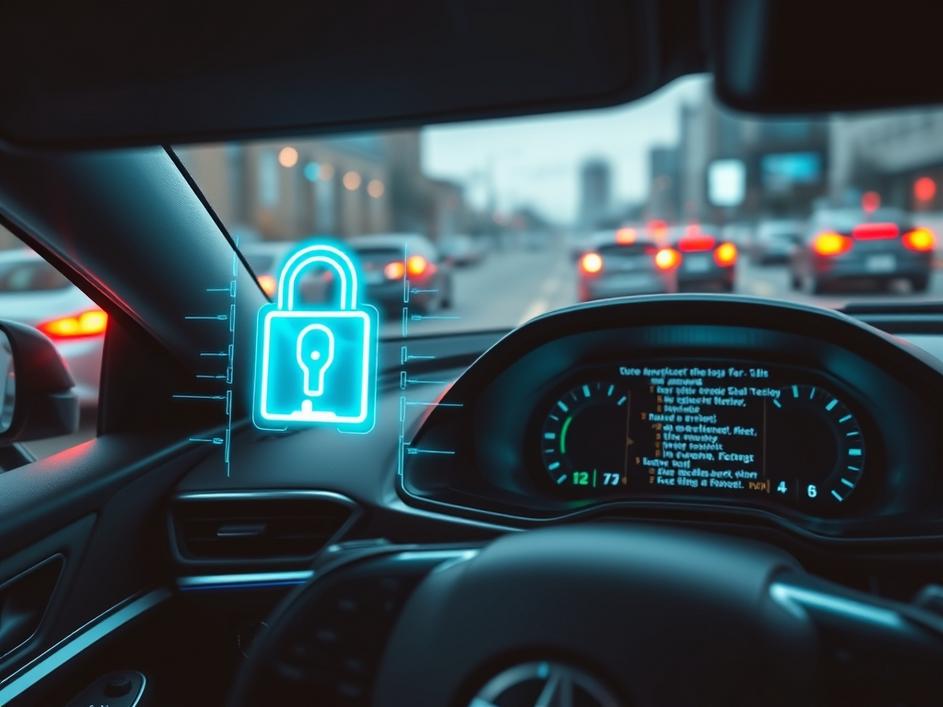
Remember when cars were just, well, cars? They had an engine, wheels, and maybe a radio. That was it. But those days are long gone. Today’s vehicles are packed with computers, sensors, and constant internet connections. They can talk to your phone, other cars, and even traffic lights. This amazing leap in technology makes our drives easier, safer, and more fun. But it also opens up a whole new world of things to worry about: digital threats. As our cars get smarter, so does the need to protect them from bad actors.
What's Included?
ToggleThink about all the cool stuff your car can do now. GPS systems guide you to your destination, streaming services keep passengers entertained, and advanced driver-assistance features help you park or stay in your lane. Many cars can even receive software updates wirelessly, just like your smartphone. All this connectivity, though helpful, creates a network of potential weak spots. Every connection point, every bit of code, every piece of data exchanged is a door that someone with ill intentions might try to push open. It’s not just about someone stealing your car physically anymore; it’s about the possibility of someone messing with its systems, accessing your personal data, or even taking control remotely. This isn’t science fiction; it’s a real and growing concern for carmakers and drivers alike.
So, why are we suddenly hearing so much about automotive cybersecurity? A big reason is the sheer number of connected cars hitting the road every year. More smart cars mean more potential targets. But there’s another major factor: new rules and laws. Governments around the world are starting to mandate stronger data security and cybersecurity standards for vehicles. They want to make sure that the cars we drive are not just mechanically safe, but digitally safe too. These mandates push car manufacturers to invest heavily in robust cybersecurity solutions. The numbers from Mordor Intelligence show just how serious this is becoming: the market for automotive cybersecurity is expected to jump from nearly $6 billion in 2025 to over $14 billion by 2030. That’s a huge increase, showing just how critical this protection has become.
Protecting a modern car isn’t a job for just one company. It’s a complex effort involving car manufacturers, specialized cybersecurity firms, and big tech companies. They work together to build layers of defense that guard everything from the car’s internal computers to its communication with the outside world. This includes securing the software that runs the engine and brakes, encrypting data sent to the cloud, and protecting the apps on your dashboard. They have to think about how to stop hackers from getting into the car’s network, prevent unauthorized access to personal information, and ensure that remote functions like unlocking doors or starting the engine are secure. It’s a constant back-and-forth battle, always trying to stay one step ahead of new threats.
For you, sitting behind the wheel, this huge investment in cybersecurity is all about peace of mind. Your car collects a lot of data about where you go, how you drive, and what you listen to. Strong cybersecurity helps keep that information private and safe. More importantly, it helps keep you safe. No one wants to worry about their car’s systems being compromised while they’re driving down the highway. As carmakers integrate more advanced features, like semi-autonomous driving, the integrity of these digital systems becomes even more crucial. It means trusting that the technology making your ride smoother is also keeping you secure from digital interference. So, while you might not see the lines of code, the growing market for automotive cybersecurity directly impacts your daily driving experience, making it safer and more reliable.
The journey toward fully secure connected vehicles is an ongoing one. Cybersecurity isn’t a problem you solve once and then forget about. New hacking methods emerge all the time, and carmakers need to be ready to adapt. This means continuous software updates, better encryption, and smarter ways to detect and block threats. We might see things like AI playing a bigger role in spotting unusual activity in a car’s systems before it becomes a problem. The rising market value shows that the industry recognizes this isn’t a fad but a fundamental part of making future cars work. It’s about building a foundation of trust between drivers and their increasingly intelligent vehicles. Our cars are getting smarter, and their digital defenses need to be just as intelligent.
In the end, the transformation of our cars into rolling computers brings incredible benefits, but it also creates new challenges. The booming automotive cybersecurity market isn’t just about big numbers; it’s about the industry’s commitment to protecting our privacy, our data, and our physical safety on the road. As we drive further into this connected future, robust digital defenses will be just as important as airbags and seatbelts. It’s an exciting, complex, and absolutely necessary race to keep our wheels digitally safe.


Comments are closed